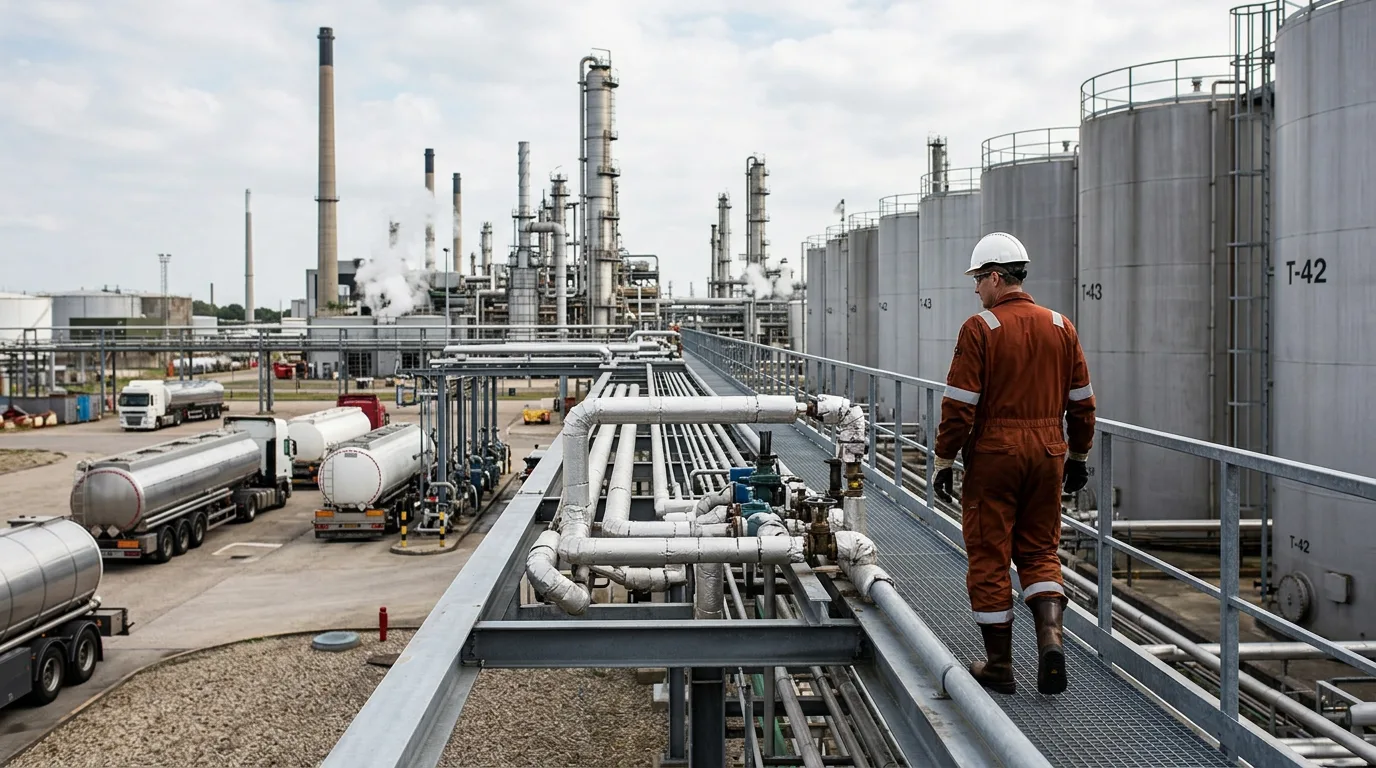
Oil and diesel prices fell as the G7 nations acted to release emergency supplies. The decline covered both the wider oil market and diesel, a fuel with direct relevance to transport fleets and industrial sites. Because the step involves the G7 as a group, it points to a coordinated action by member countries rather than a unilateral move by a single government.
Emergency supplies in this context are stocks that participating governments hold in reserve and can release when they judge that the market needs additional volume to meet demand. Such releases are generally aimed at easing pressure on supply, and the price response described here was a fall in both oil and diesel. Diesel deserves particular attention from operators because its price feeds directly into freight, machinery and standby power costs.
For plants, fleets and site operations, diesel is often among the larger variable fuel costs, so a lower diesel price translates into near-term relief on running budgets. Movements in the oil price matter through a different channel, shaping the cost of crude feedstock for refiners and the general energy price environment that industrial buyers plan around. In this episode both prices moved in the same direction, which makes the picture relatively straightforward for fuel buyers tracking their exposure.
The episode underlines how closely prices in crude and refined-product markets can respond to supply-side moves by major economies. Questions remain about the volume involved and the period over which any additional supply will reach the market. Even so, the immediate market response was a decline in both oil and diesel prices as the release was set in motion.
Source: Rigzone