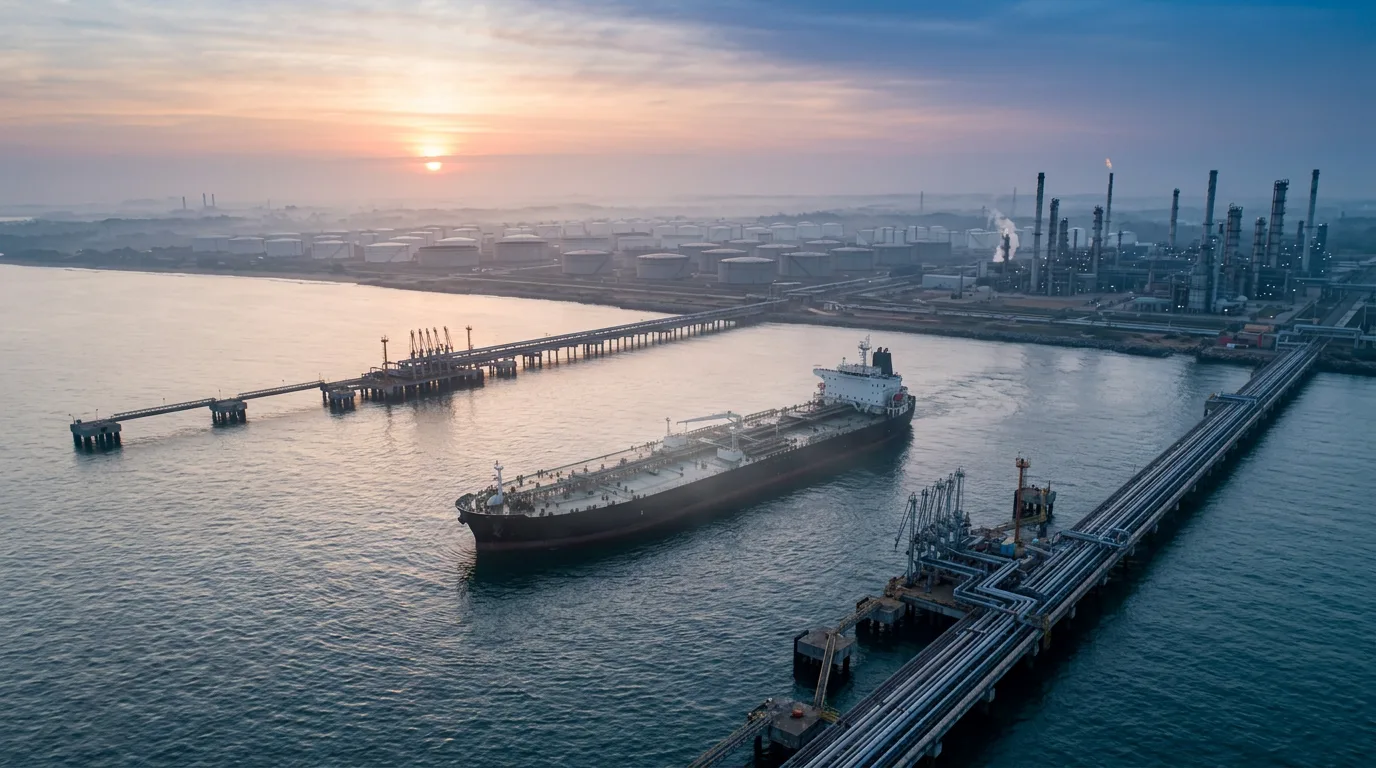
Refiners in India are racing to secure oil tankers under long-term contracts, locking in shipping capacity for extended periods. The move shifts the emphasis away from vessel bookings made cargo by cargo. The rush indicates that securing tonnage ahead of need has become a priority for the country's refining sector.
Long-term tanker contracts commit a charterer to vessels for an agreed period, giving the user dedicated shipping capacity while the agreement runs. That contrasts with spot chartering, where a refiner fixes a vessel for a single voyage and returns to the market each time it needs shipping. By locking in period cover, a refiner reduces the need to re-enter the freight market for every cargo.
The available details do not include the number of vessels involved, the companies taking or offering the tonnage, the contract durations, or the rates agreed. They also do not state which cargoes or trade routes the chartered ships would serve. Without those specifics, the scale of the commitment and its effect on individual refiners cannot be judged from what has been published.
For the freight market, a broad shift by Indian refiners toward longer charter commitments would take a share of tanker availability off the spot market for the length of the agreements. For shipowners, long-term employment brings visibility over how their vessels are used, while for charterers it exchanges some flexibility for assured capacity. The balance between those effects will depend on how much tonnage is actually committed.
For planners and operators at refineries, the development underlines that shipping sits upstream of every unit's feed plan: the vessels a refiner secures on long terms influence which cargoes arrive and when. Tracking how much of the country's tanker requirement ends up under period charters, rather than spot cover, will indicate how much shipping capacity remains open to the wider market.
Source: Rigzone