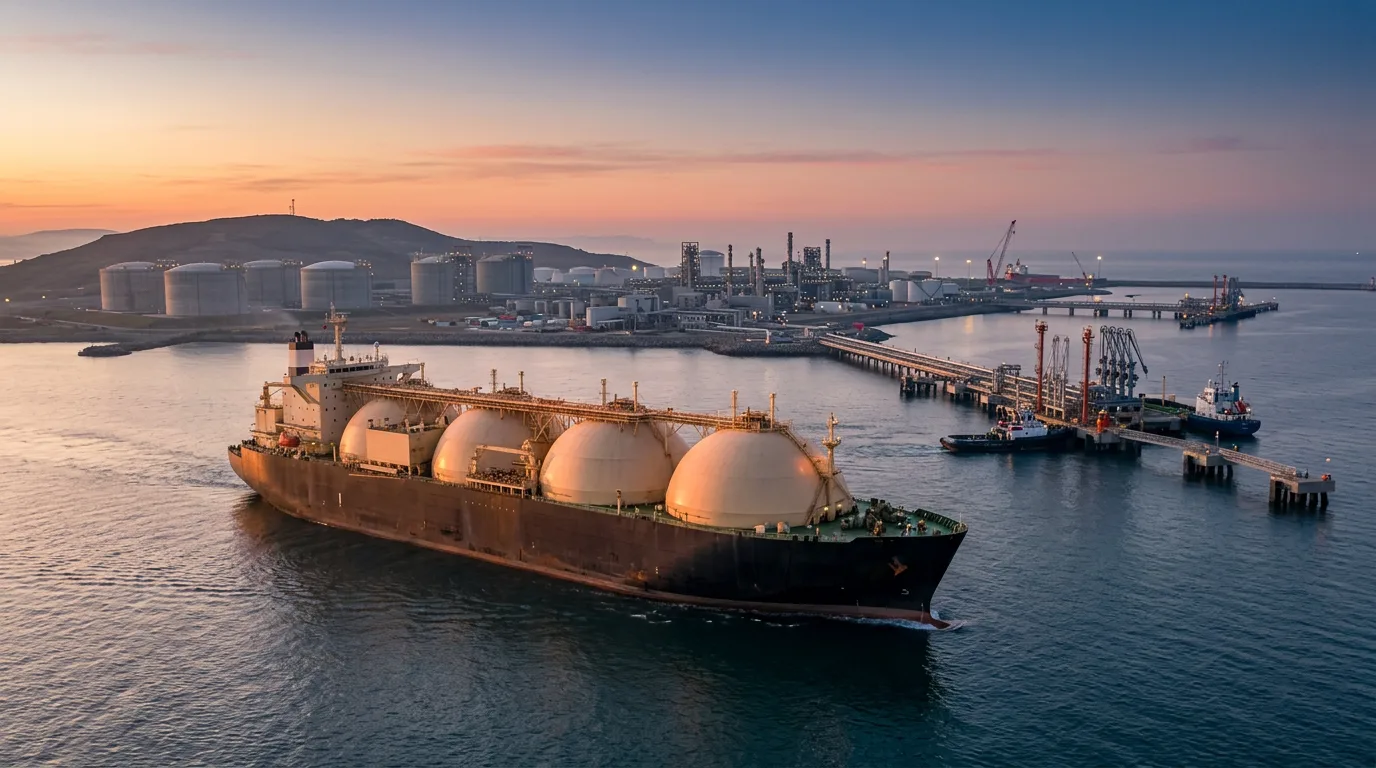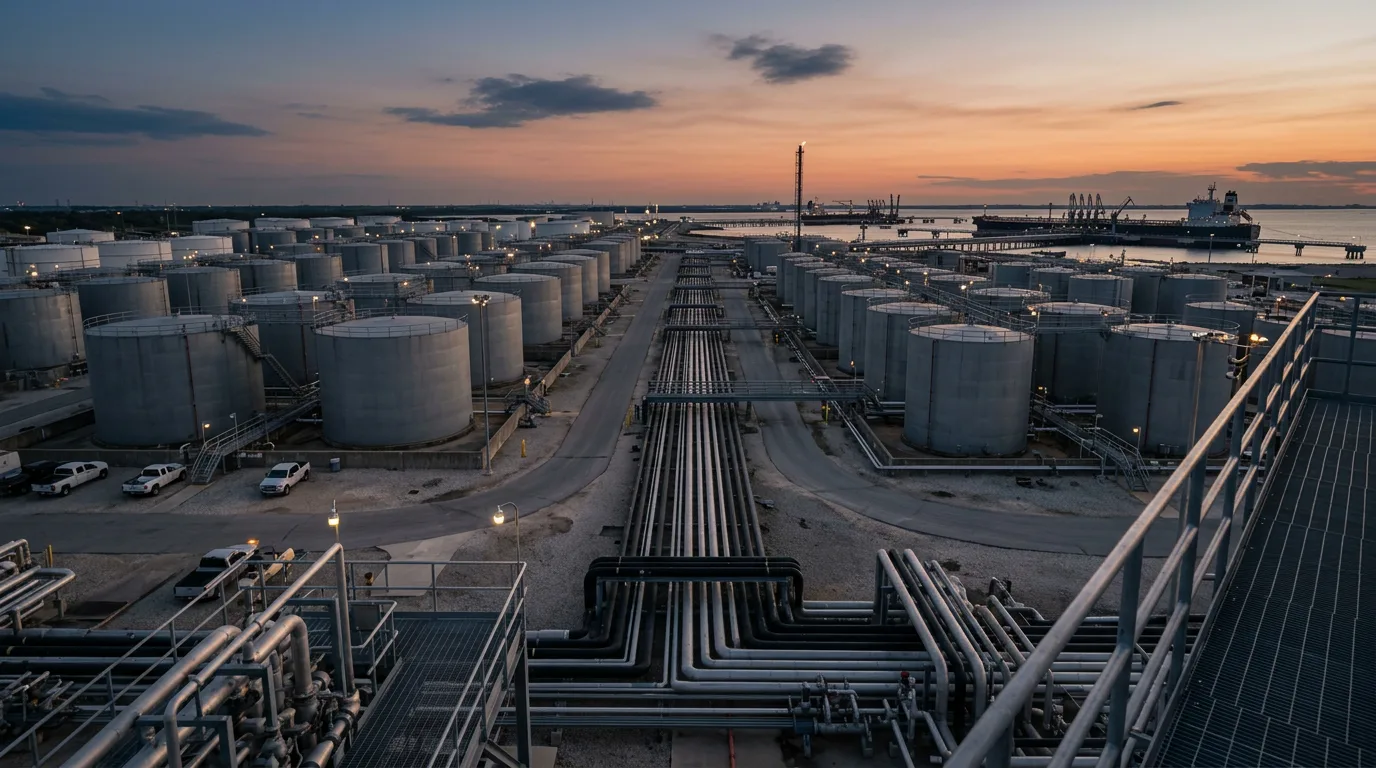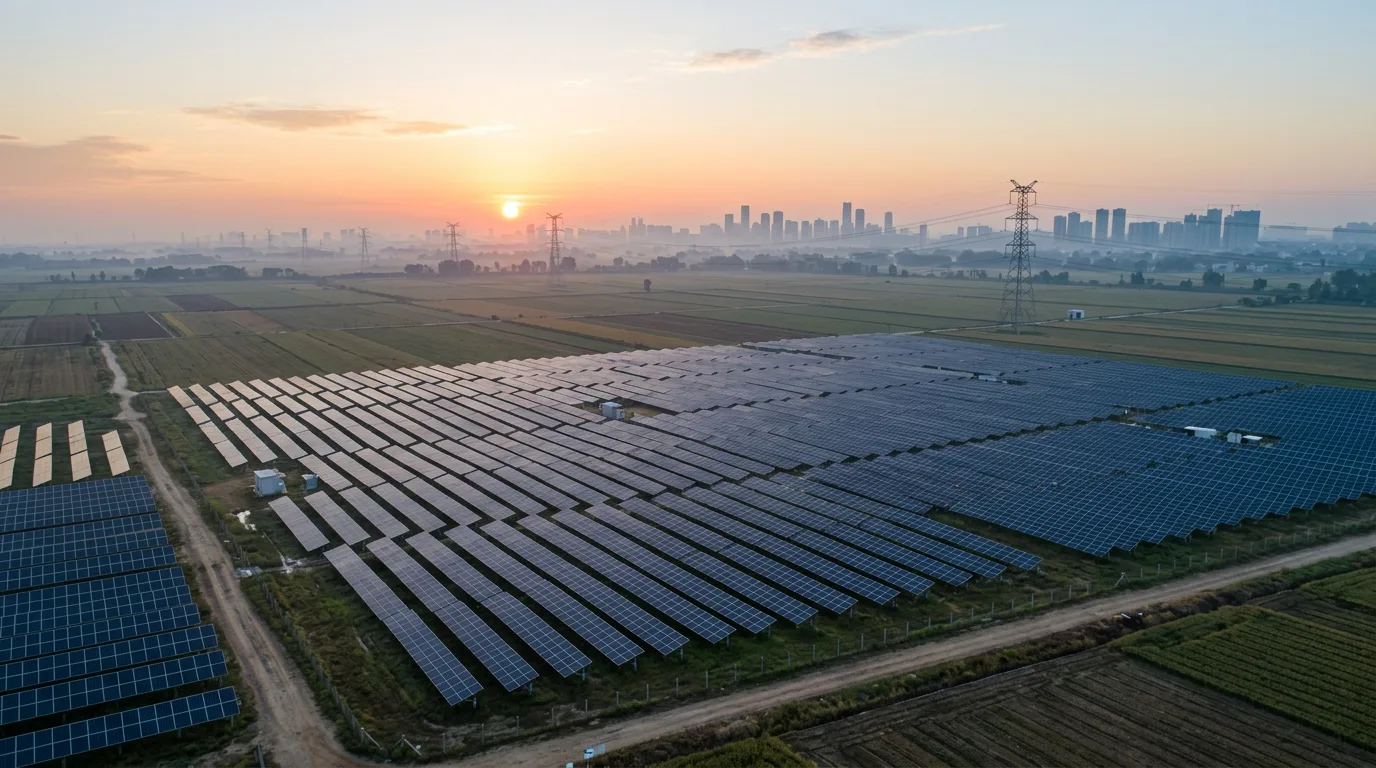
The ongoing conflict in the Middle East has sharply curbed fuel trade in recent months, prompting several countries in Asia to accelerate the deployment of renewable energy. Governments in the region see a faster build-out of renewables as a way to cut reliance on imported fossil fuels and to diversify their energy supplies. The shift comes amid growing fears of shortages, with countries worldwide racing to secure fuel from different suppliers.
The fall in fuel trade has brought the risk of shortages into focus for importing economies, including those in Southeast Asia. Buyers are pursuing two responses at once: finding different suppliers for their fuel needs and weighing a switch to alternative energy sources. For governments in the region, cutting dependence on imported fossil fuels has taken on added urgency as a supply security concern.
The International Energy Agency has previously highlighted the considerable potential for renewable capacity growth across Asia. That assessment has taken on fresh relevance as the conflict disrupts fuel trade and strengthens the case for diversification. Expanding renewables would allow importing countries to cover part of their demand with capacity that does not rely on fuel delivered from abroad.
For the oil and gas industry, the response points to potential changes in fuel demand and trade patterns in a region that has relied on imported fossil fuels. In the near term, importing countries are focused on securing alternative supplies to limit the risk of disruption. If sustained, the accelerated rollout of renewables would steadily reduce the region's dependence on imported fuel and reshape its energy mix.
Source: Oilprice