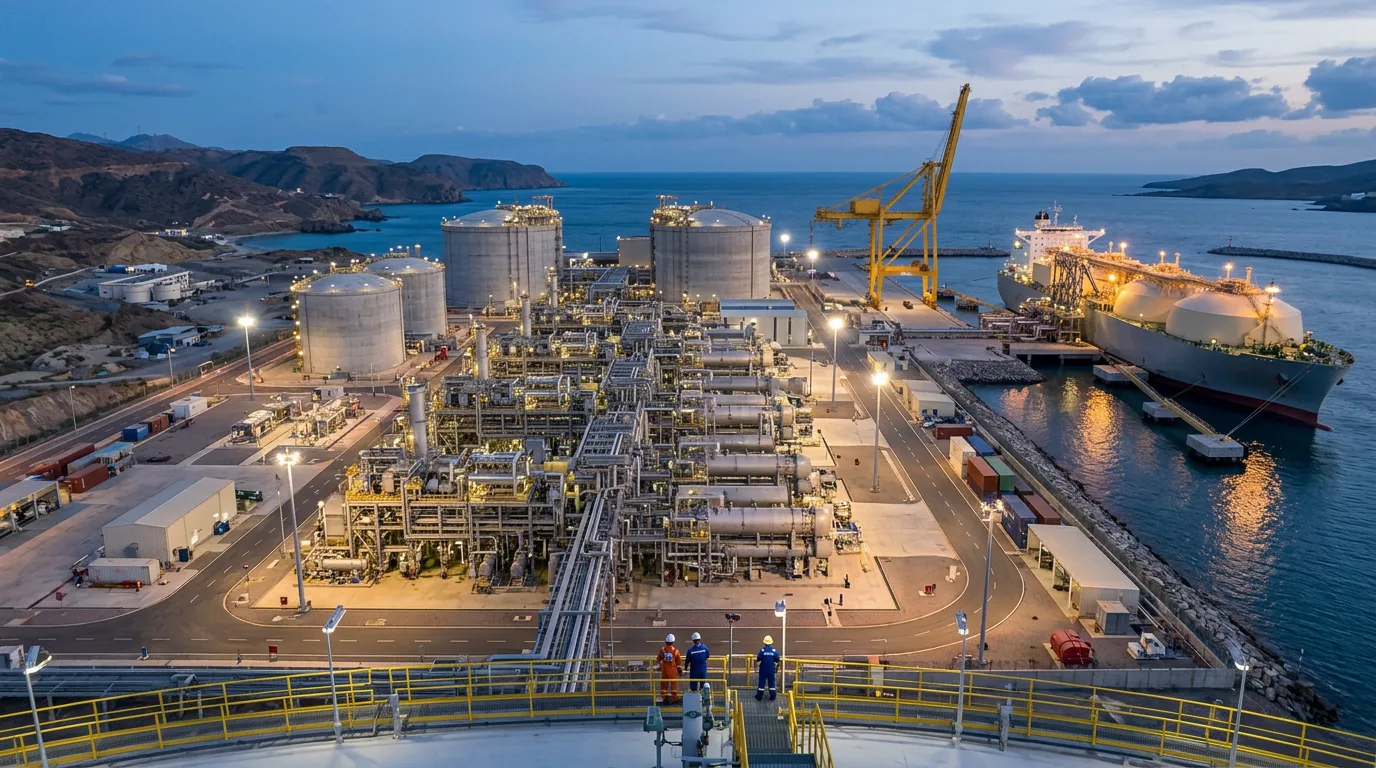
Aramco's chief executive has announced that the company is continuing to 'explore additional overseas storage capacity' as well as 'alternative export routes', describing both as ways to 'further strengthen' its global supply network. The phrasing presents the effort as ongoing rather than newly launched. No specific locations, volumes or timelines were given in the announcement.
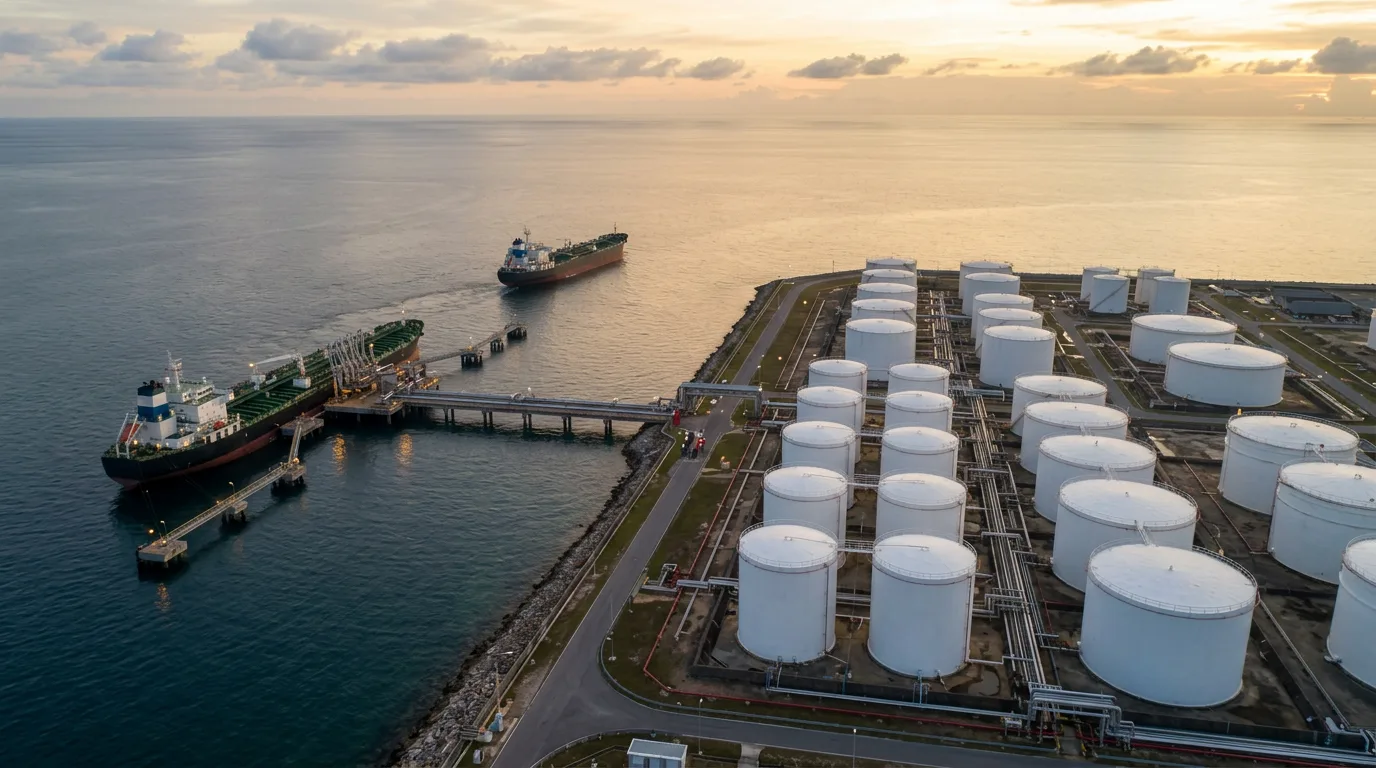
Overseas storage, in this context, generally means tank capacity held outside a producer's home market so that product can be staged closer to customers and released when shipping windows or demand call for it. Holding product in more than one region can also smooth cargo flow when transit times vary or a delivery point is temporarily unavailable. Alternative export routes serve a complementary purpose: they lessen dependence on any single corridor, terminal or transit passage. For a company that describes its delivery system as a global supply network, the two levers work together: one adds places to hold product, the other adds ways to move it.
For engineers, schedulers and terminal operators, the significance lies in reliability rather than output. Storage positioned in overseas markets can shorten the distance between production and delivery points, giving logistics teams more room to absorb congestion, weather delays or maintenance windows without interrupting supply. Additional routing options do the same for the network itself, allowing flows to be redirected when one path is constrained.
Because the statement contains no figures, its practical weight will depend on whether specific terminals, routes or agreements are confirmed later. What it does establish is direction from the company's leadership: capacity and routing options beyond current arrangements are under active consideration as tools for keeping deliveries dependable.
Source: Rigzone