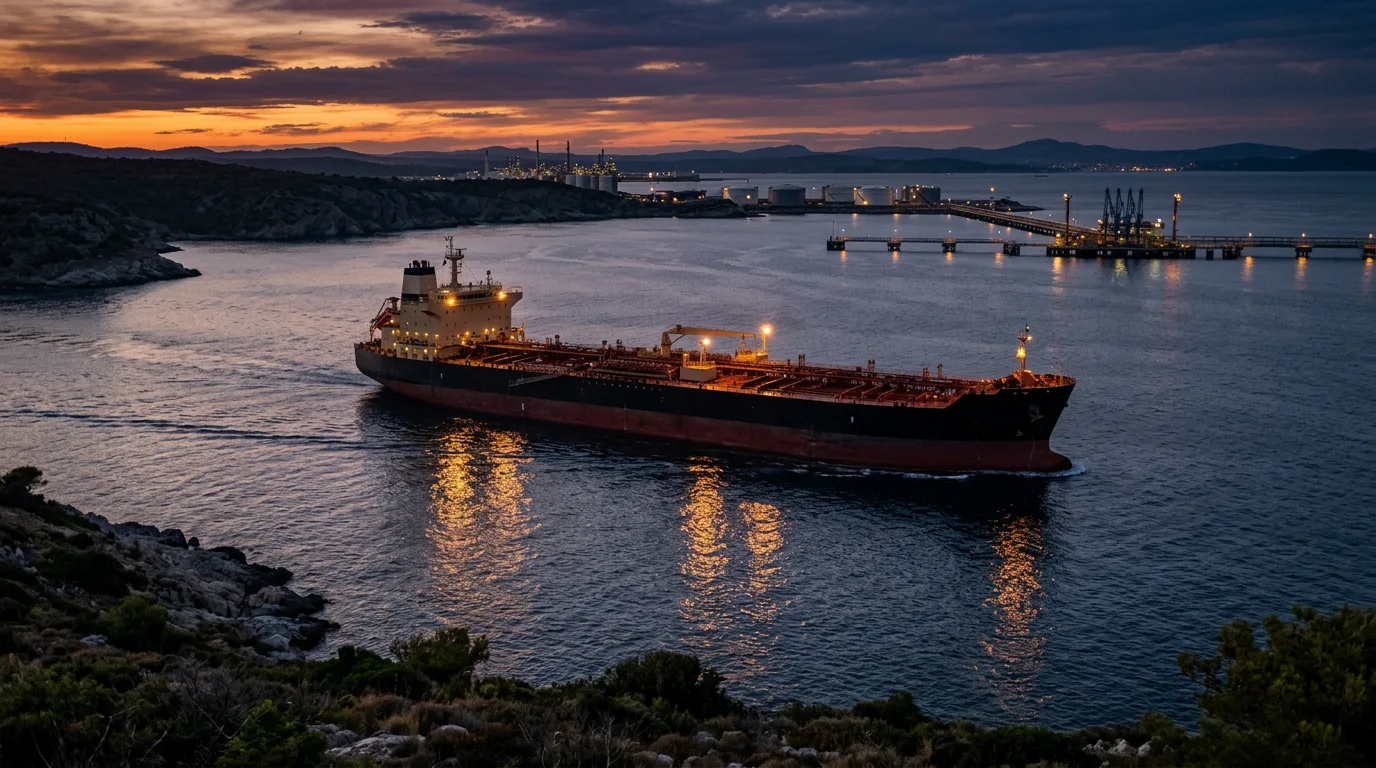
Crude oil prices edged higher on Monday, 16 November, as unverified reports of tanker incidents in the Strait of Hormuz put shipping risks back in focus. The move ran against the underlying supply-demand picture, which was described as weaker, indicating that concern over the reported incidents was enough to lift prices even as fundamentals pointed the other way.
The reports remained unverified, with no confirmed account of what happened to the tankers involved or whether traffic through the waterway was affected. In the absence of verification, the price response appeared to reflect caution rather than confirmed losses, with the market treating the reports as a reminder that tanker movements through the strait carry risk. Verification of incidents in the area can take time, and early reports can change as more information emerges.
The Strait of Hormuz is a key transit point for seaborne crude, and reported incidents involving tankers there draw close scrutiny from traders, shipowners and insurers. Renewed attention to shipping risks in the waterway typically feeds into assessments of voyage security, insurance costs and routing for vessels transiting the region. For producers and buyers that rely on the route, even unverified reports can prompt a review of contingency planning.
For the industry, the episode underlines how quickly geopolitical headlines can move prices even when the fundamental outlook is soft. With the supply-demand balance described as weaker, the size and duration of any risk premium in crude is likely to depend on whether the reported incidents are confirmed and whether further incidents follow. Until more is known, shipping risk around the strait remains a live consideration for anyone moving crude through the region.
Source: Offshore Technology