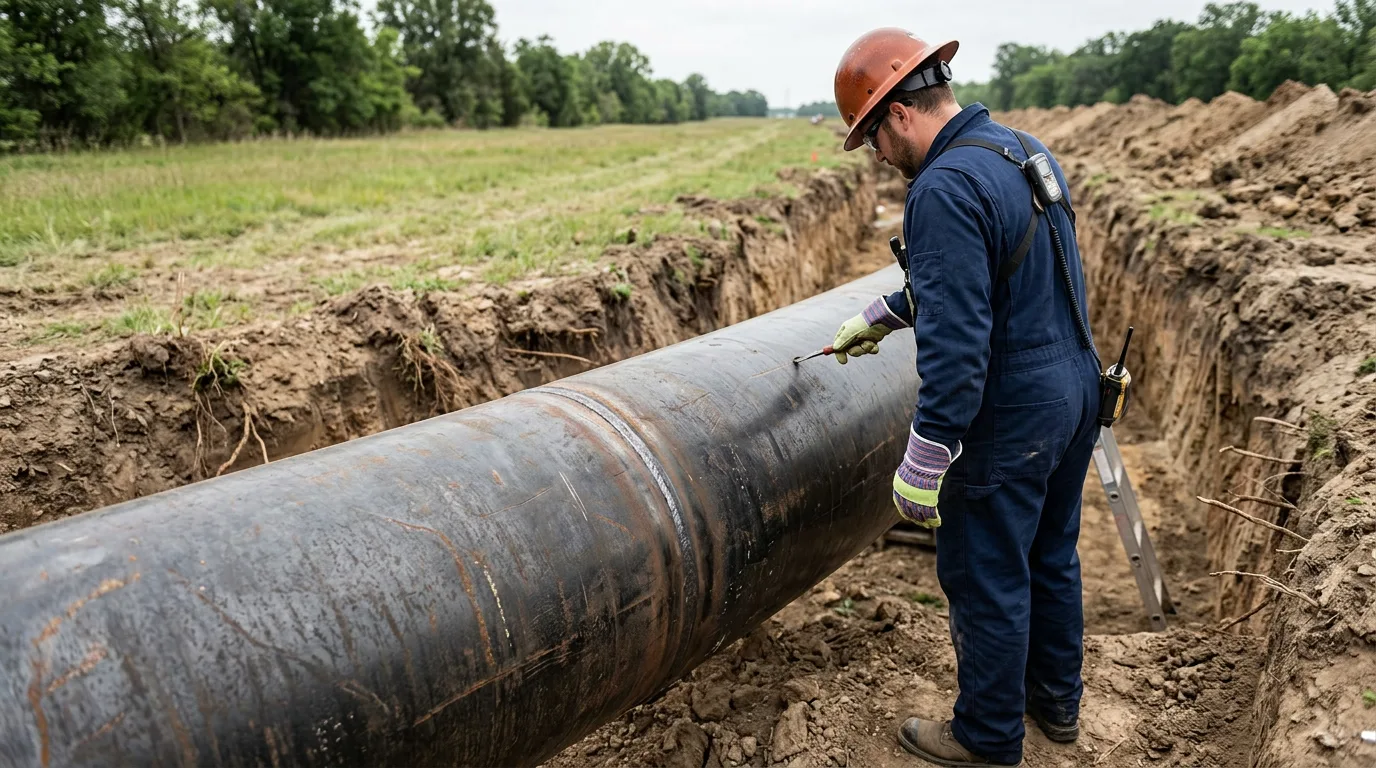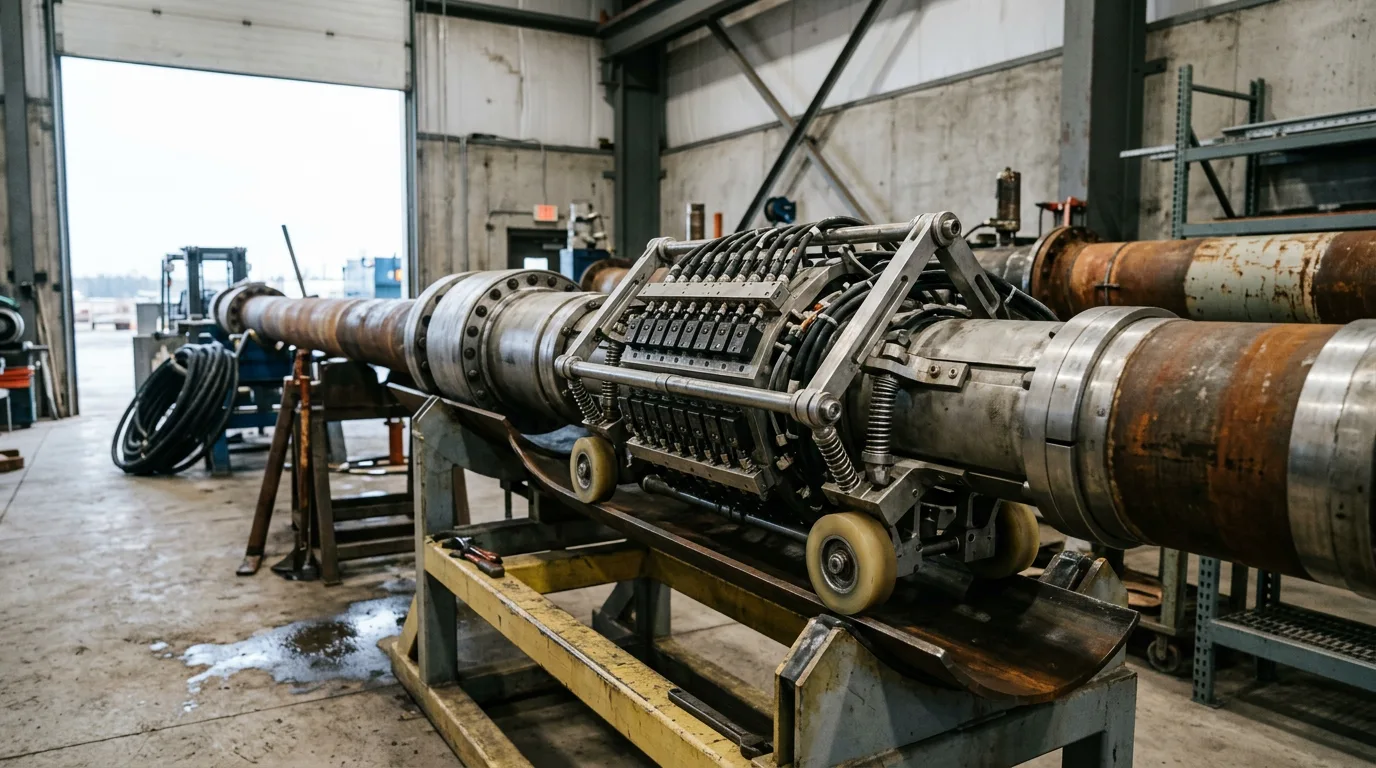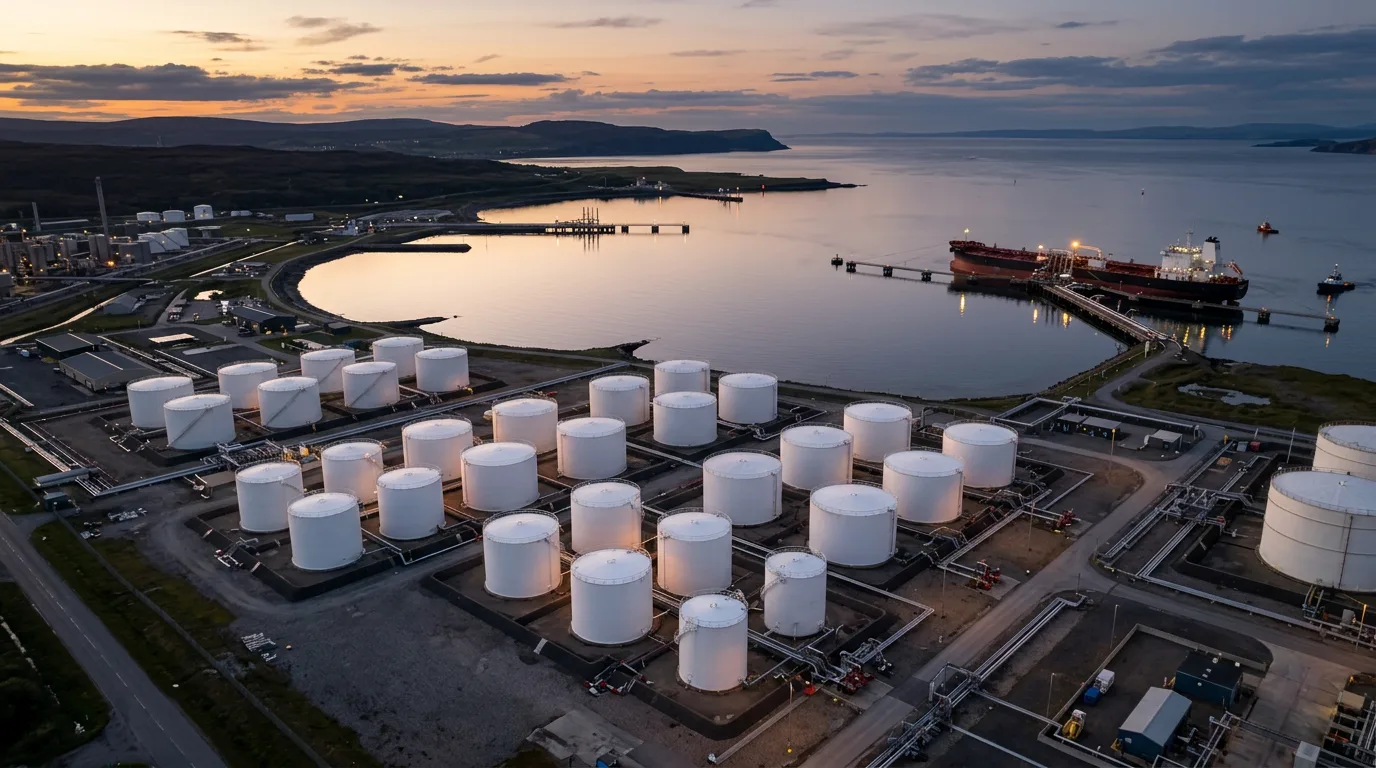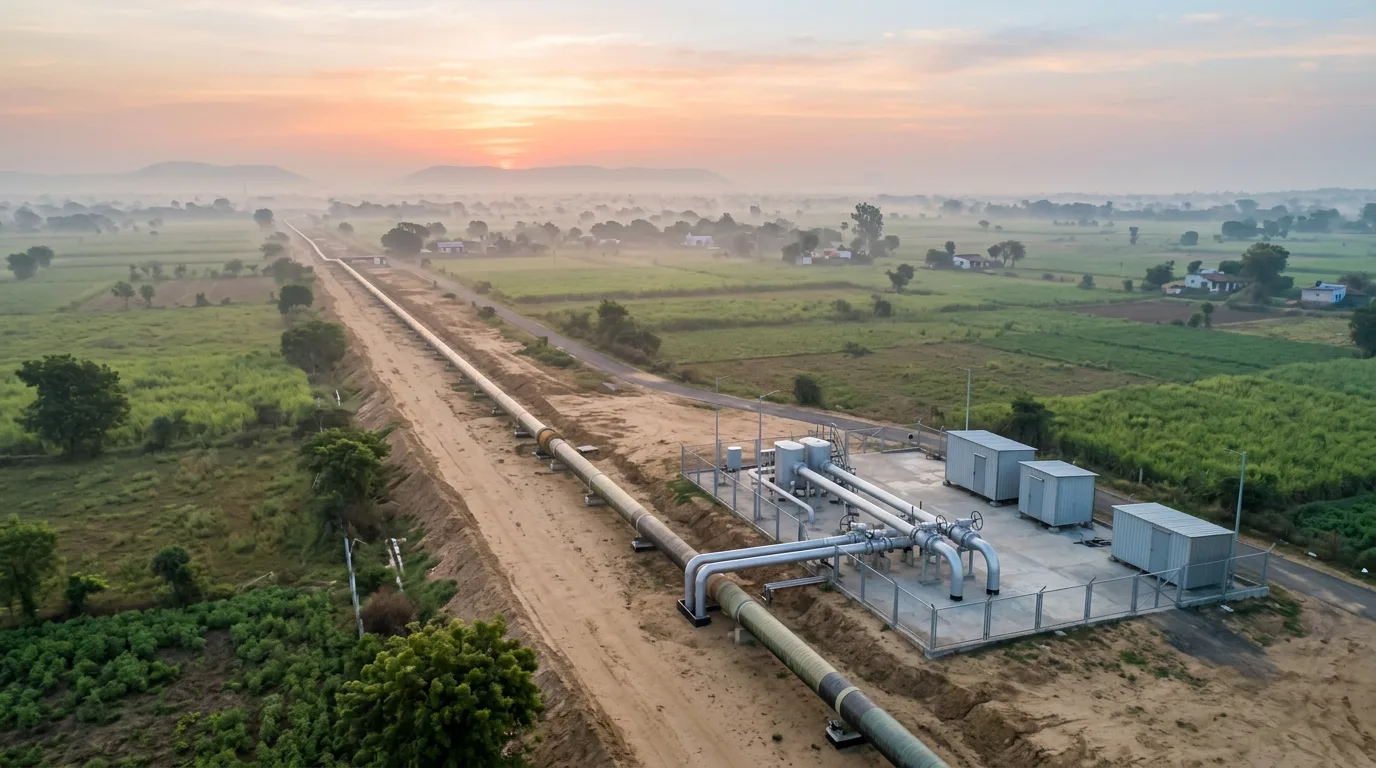
India's oil and gas pipeline network is set to grow through 2030, with gas lines expected to account for the largest share of new length, according to an analysis published by Offshore Technology. The projection places gas transmission ahead of oil infrastructure as the main contributor to additional pipeline kilometres over the remainder of the decade. It is framed around length additions rather than spending or project counts, offering a physical measure of where the country's network expansion is concentrated.
The analysis identifies three drivers behind the expected build-out. Rapid urbanisation is increasing the need for infrastructure that serves growing urban populations across the country. Demand for gas is also rising, supporting the case for expanding the gas transmission network. Government initiatives that favour pipeline development complete the picture, providing policy backing for new construction through the decade.
The core of the finding concerns where growth will sit within the network. Rather than expanding evenly across both commodity systems, India's pipeline additions are expected to concentrate in gas lines, which are projected to outpace oil pipelines in new kilometres by 2030. The direction of that split gives an indication of the shape of the country's infrastructure build-out in the years ahead.
For the industry, the outlook points to sustained activity in the gas pipeline segment through the end of the decade. Engineering, construction and operating resources tied to gas transmission are the areas most likely to see demand if the projection holds. Organisations tracking India's infrastructure plans can treat urbanisation, gas demand and government policy as the variables that will determine whether the expected additions materialise.
Source: Offshore Technology