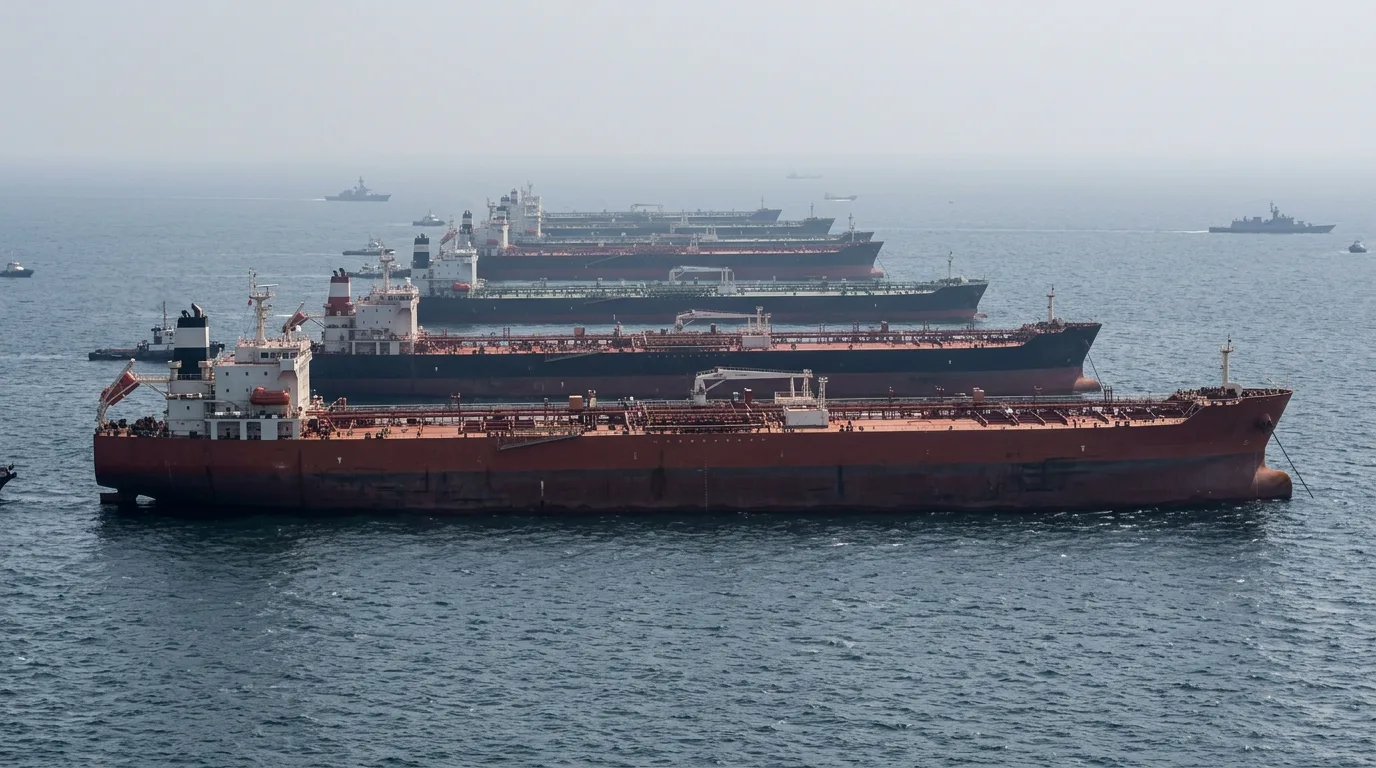
Iran has run down most of the crude it once held in floating storage amid a U.S. Navy blockade of the country's ports, the Wall Street Journal has reported, citing data from Kpler. The drawdown of oil parked on tankers, the report said, points to further tightening in global oil supply. The figures capture the impact of the blockade, which the United States imposed on Iranian ports in April.
Before the blockade took effect, Iran had close to 150 million barrels of oil sitting in floating storage, according to the report. By mid-June, that volume had dipped to less than 50 million barrels. The figures indicate that the country has been running through the barrels it had parked at sea, leaving a far smaller cushion of crude on the water than it held when the restrictions began.
"There's no more oil to discharge to China anymore," Homayoun Falakshahi, Kpler's head of crude oil analysis, was quoted by the Journal as saying. The comment indicates that the offshore stockpile had been tapped to keep cargoes moving to China, and that the barrels remaining afloat offer little scope for further discharges to that destination.
For the oil market, the depletion of Iran's floating inventory removes a flexible source of supply that could be discharged as buyers called for it. With less than 50 million barrels still afloat, down from close to 150 million before the blockade, the Kpler data cited by the Journal suggests that global supply will tighten further. Refiners, traders and analysts tracking Iranian barrels are likely to watch closely how the remaining stockpile is drawn down in the weeks ahead.
Source: Oilprice