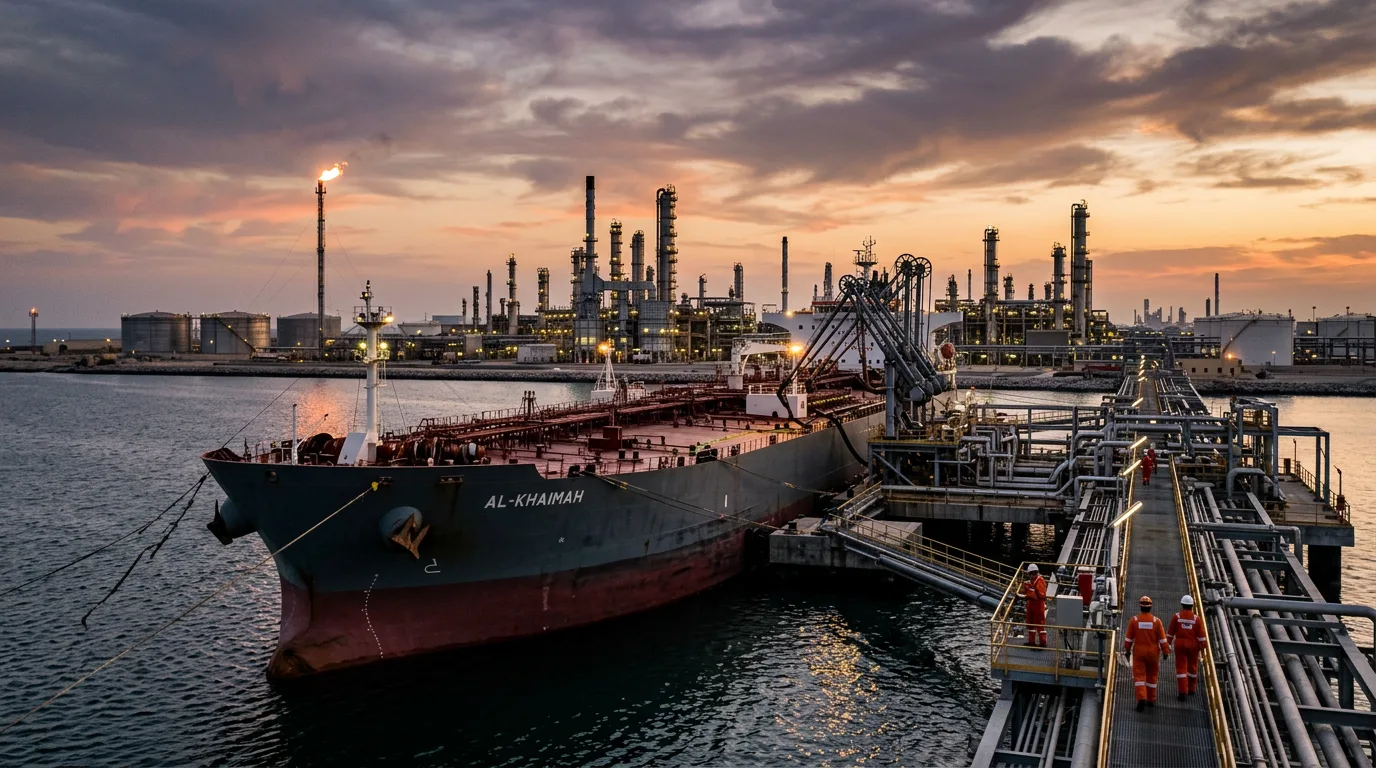
Crude benchmarks moved about 2% higher on Monday morning, reaching their strongest levels in nearly two weeks after fresh attacks on Saudi Arabia and on oil tankers near the Strait of Hormuz. The incidents returned Middle East supply risk to the forefront of trading, outweighing announcements from President Donald Trump of additional Russian diesel supplies and a Russia-Ukraine energy ceasefire.
West Texas Intermediate traded at $93.78 per barrel, up $1.93, or 2.10%, according to Oilprice.com data. Brent crude rose $2.09, or 2.00%, to $106.80 per barrel. Both benchmarks were trading at levels last seen close to two weeks earlier.
The attacks on Saudi territory and on vessels operating near the strait were enough to overwhelm the bearish signals from Washington. Extra Russian diesel supplies and an energy ceasefire between Russia and Ukraine would, under normal conditions, be expected to relieve pressure on prices. Instead, traders concentrated on the exposure of production and shipping in the Middle East, where the Strait of Hormuz serves as one of the world's most important transit routes for crude. Incidents involving tankers tend to carry particular weight because they bear directly on the movement of cargoes rather than on production alone.
The rally coincides with OPEC's view that demand is set to rebound, adding a demand-side element to a move driven mainly by supply-side risk. For refiners, traders and fuel buyers, the session underlines how quickly geopolitical events can reprice crude benchmarks. Attention now turns to whether security around Saudi facilities and shipping near the strait stabilizes, and whether the announced Russian diesel supplies and the Russia-Ukraine ceasefire begin to weigh on prices.
Source: Oilprice