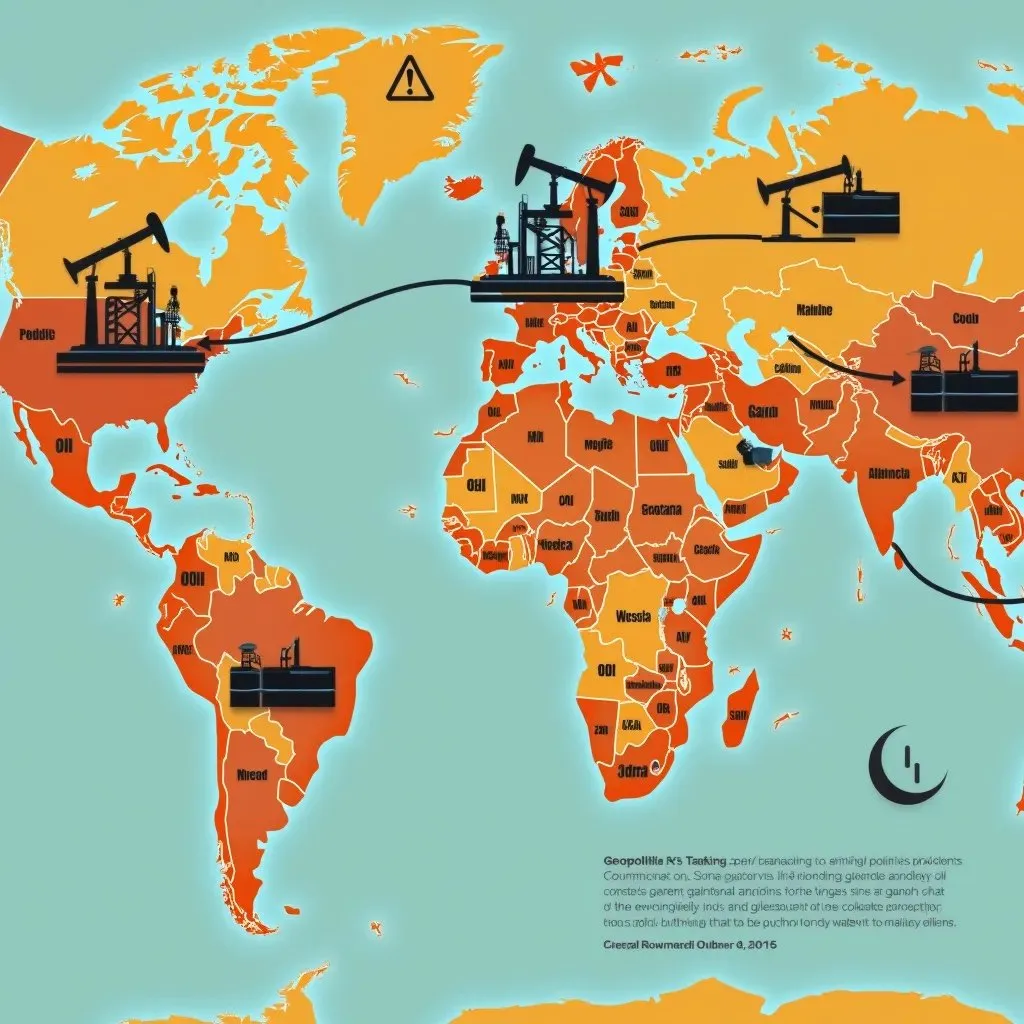
Rystad Energy has published the fifth edition of its Global Energy Scenarios report, known as GES 2026, which the consultancy describes as its flagship annual publication. The series examines alternative futures for the global energy system. Its central projection is that the world's dependence on imported energy will reach a peak by 2034.
According to the report, energy security concerns are accelerating the shift towards electrification, and this dynamic sits at the centre of the projected path for import dependence. The analysis presents security of supply as a driving force behind the changes it describes.
The report is set against the backdrop of two major energy crises in the past five years. In that context, it highlights how a wider set of technologies that can be deployed quickly is helping the energy system withstand major interruptions to energy flows. The ability to bring such options online at short notice is presented as a growing safeguard when supplies come under strain.
Rather than a single forecast, the report explores how energy import dependency could evolve under three possible future scenarios. This structure sets out a range of possible outcomes for import dependence instead of one definitive path. The approach reflects the uncertainty surrounding how security concerns, electrification and rapidly deployable technologies will shape energy flows in the period ahead.
For the oil and gas industry, the findings underline the growing influence of energy security on the direction of the energy system. With import dependence projected to peak by 2034 and electrification advancing on security grounds, the report offers a reference point for assessing how supply disruptions and rapidly deployable technologies could shape the market in the years ahead.
Source: Oilprice