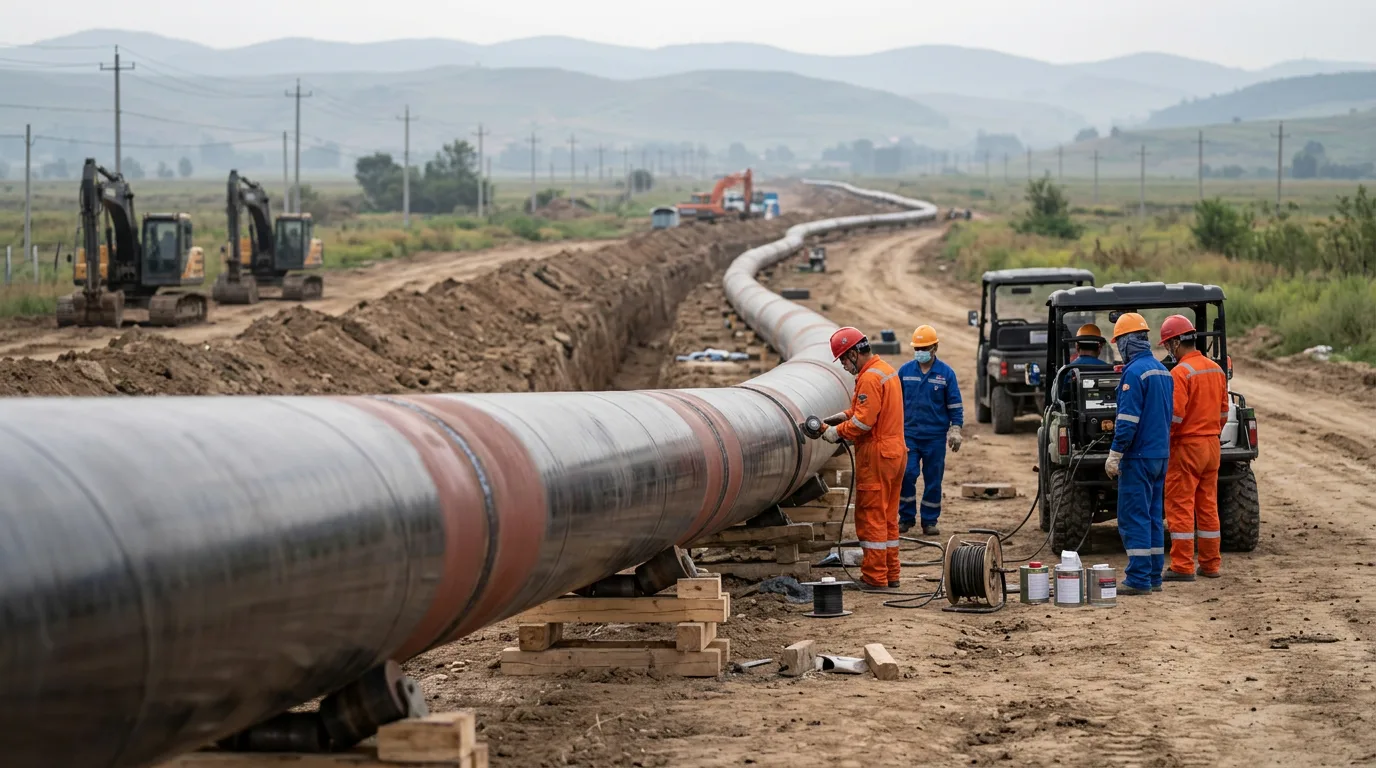
Sinopec has launched construction of an 805-kilometer (500-mile) pure hydrogen pipeline, the first large-scale, long-distance line in China designed to carry hydrogen across multiple provinces. The state-owned energy company announced the start of work on November 16 at an industry conference in Beijing.
The trunk line begins at the Shangdu station in Ulanqab, Inner Mongolia, and runs through 21 counties and districts across Inner Mongolia, Hebei, Tianjin and Beijing. The route ties the wind- and solar-rich western interior to the heavy industrial centers on China's eastern coast.
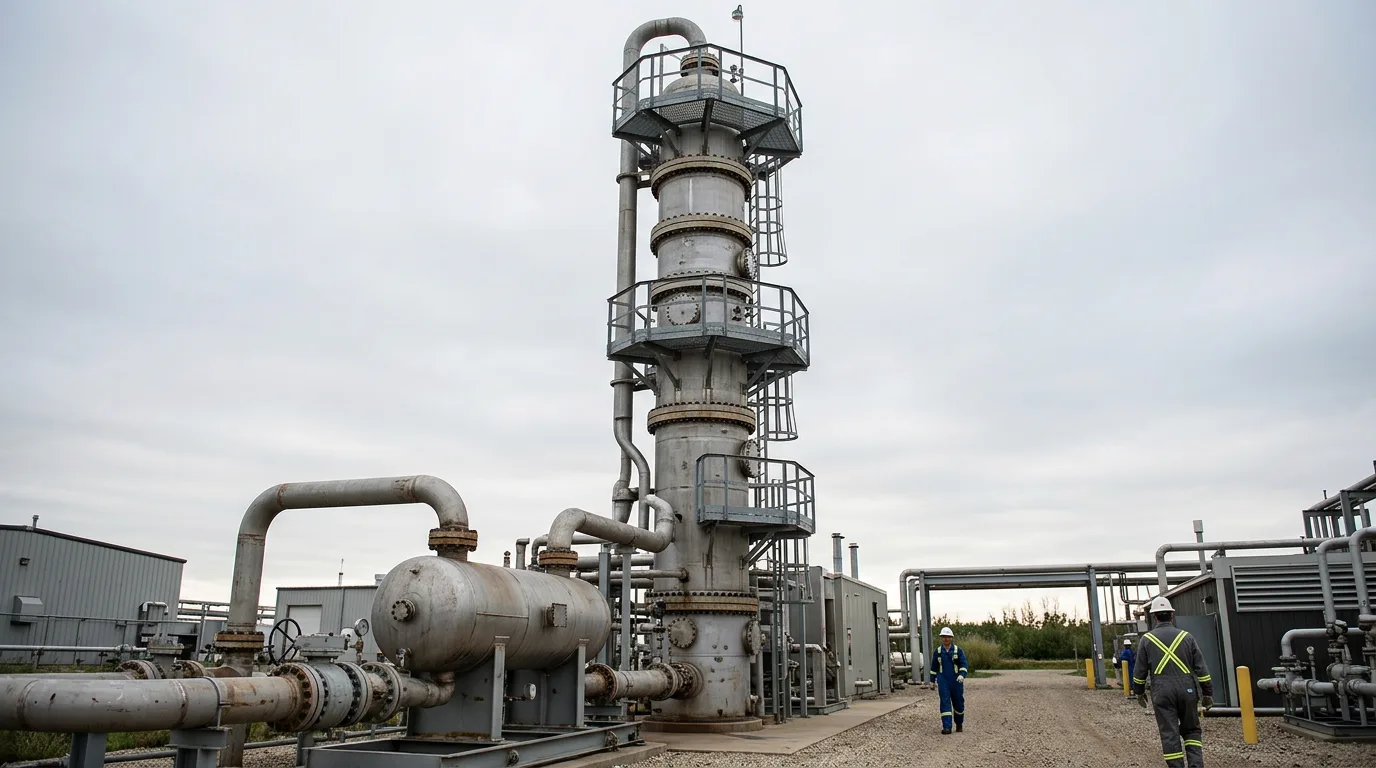
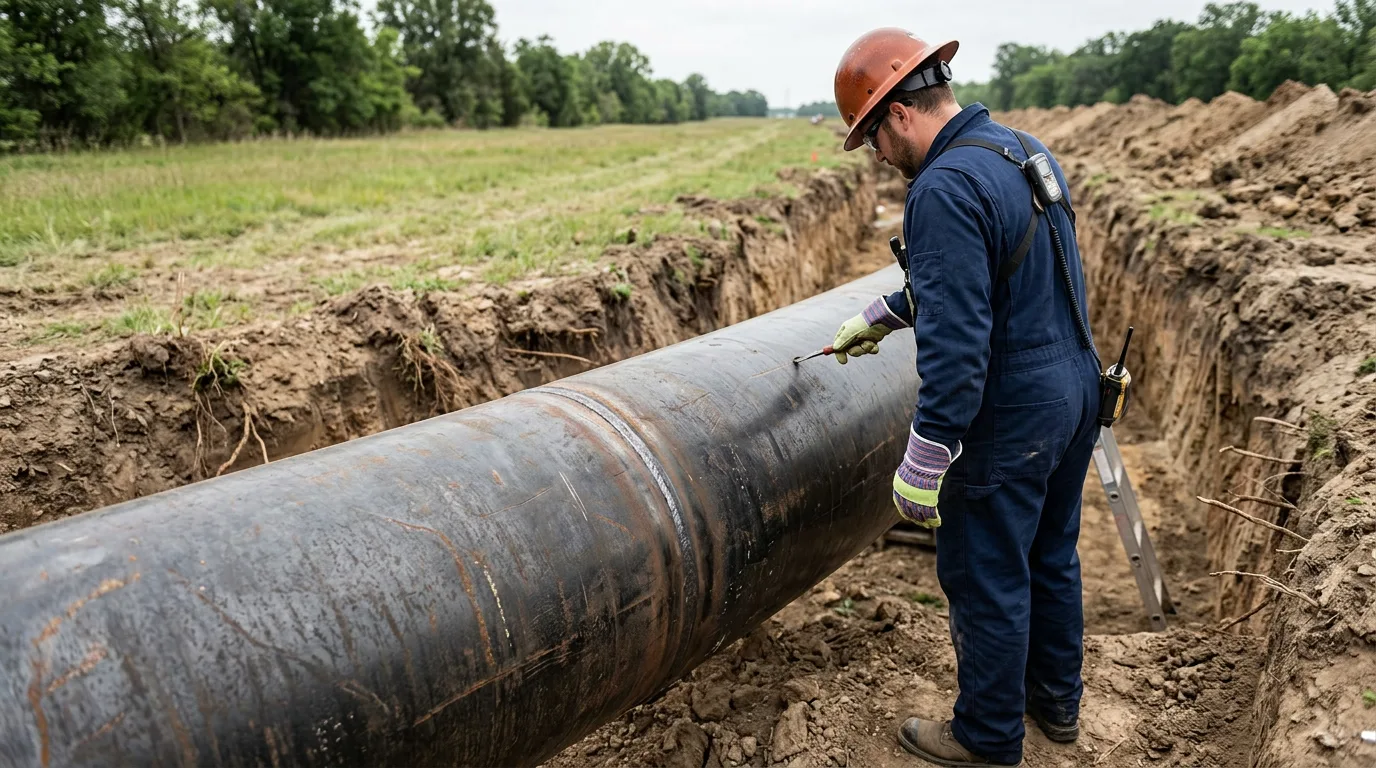
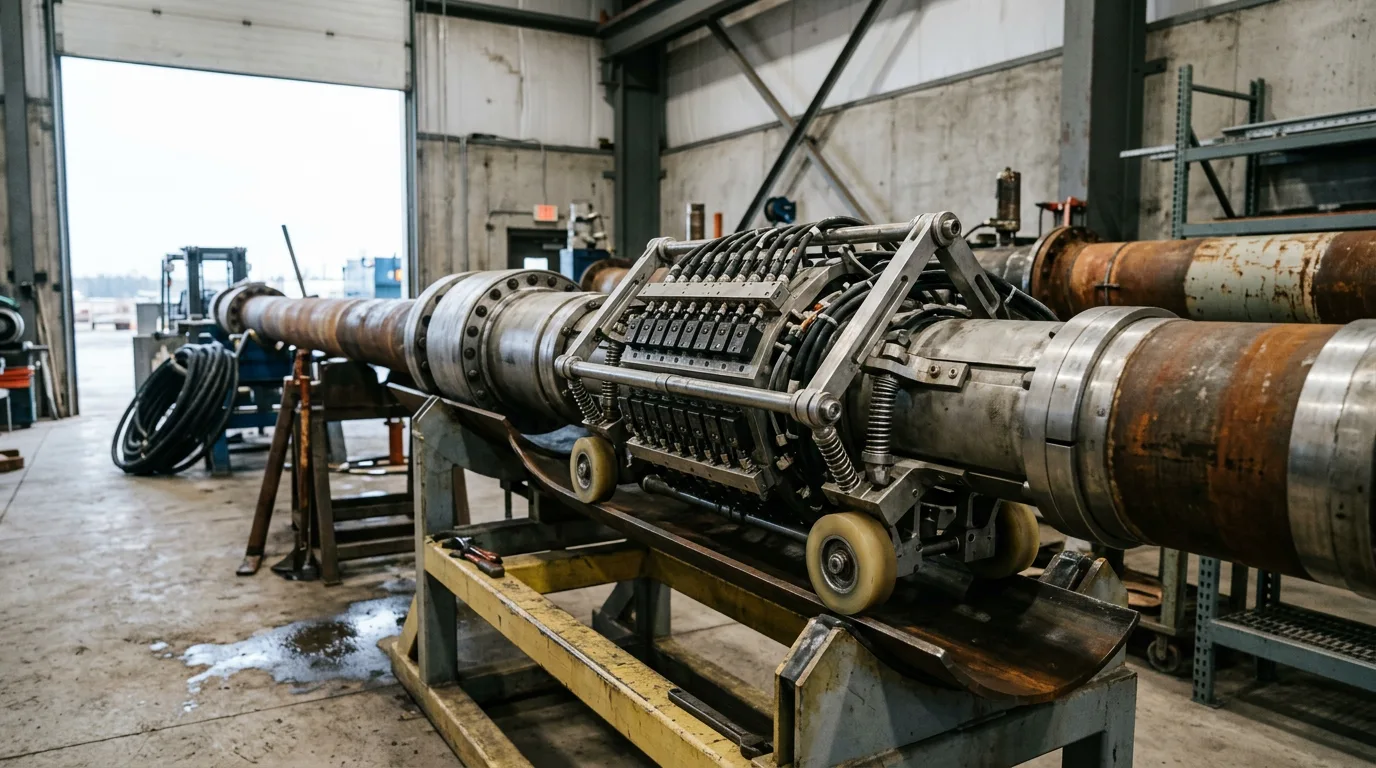
Moving pure hydrogen differs from conventional natural gas service. The gas calls for specialized materials and engineering controls to prevent hydrogen embrittlement, which degrades standard steel. Sinopec is scaling up on the basis of operating experience from its existing 42-kilometer (26-mile) Baling-Changling dedicated hydrogen pipeline, and the new project combines production, storage, transport and end use in a single value chain.
In the initial phase, 2.45 million kilowatts of wind and solar capacity will supply roughly 1 gigawatt of electrolyzers, producing 100,000 metric tons of green hydrogen per year. A second phase is to double output to 200,000 metric tons, and the pipeline is engineered to expand to a future capacity of 500,000 metric tons annually.
The line will feed Sinopec's Yanshan petrochemical complex directly. For the industry, the project moves hydrogen transport beyond short dedicated segments and connects large-scale renewable electrolysis with long-distance delivery to industrial consumers. It also provides a full-scale case for material selection and embrittlement control on long-distance pure hydrogen service.
Source: Pipeline Journal