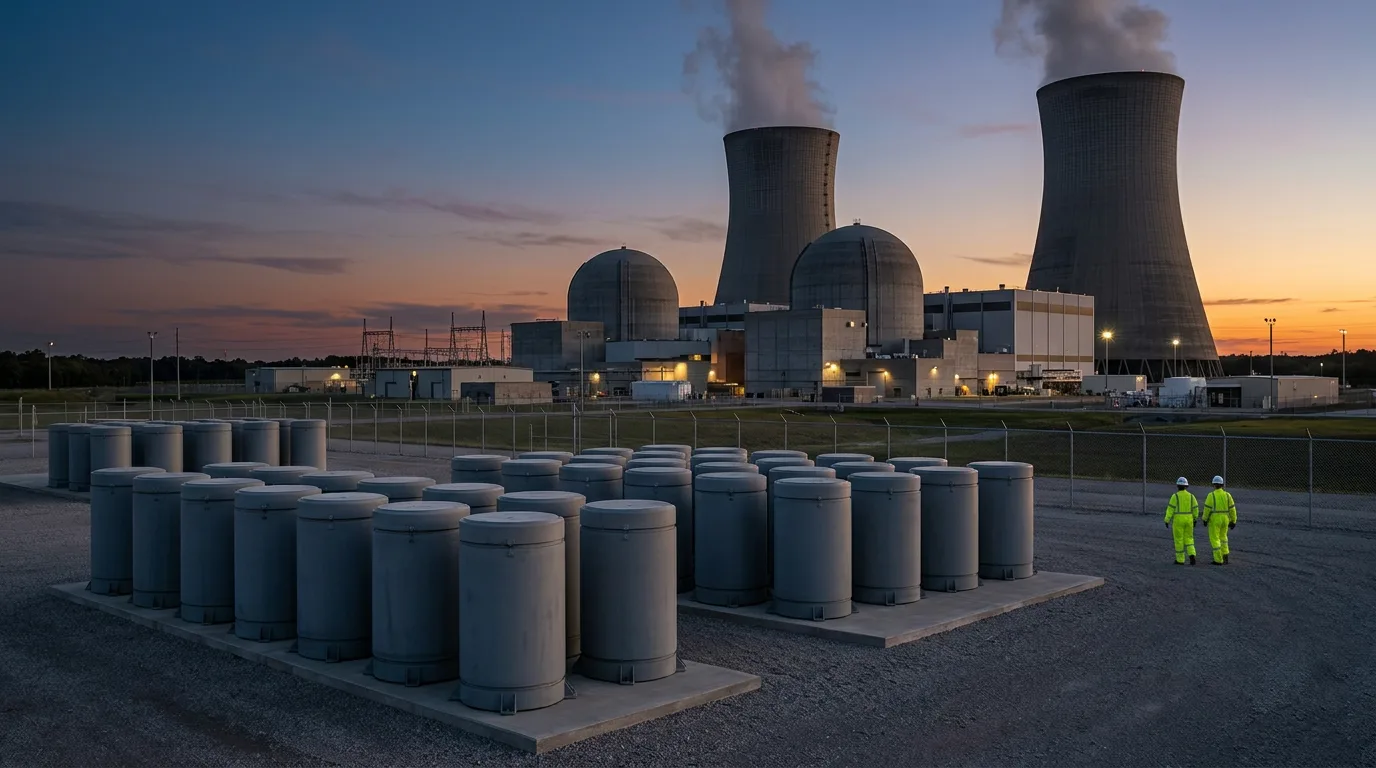
The United States holds the largest nuclear power production capacity in the world, but the sector is confronting what the report describes as an existential threat rooted in decades of insufficient funding and policy support. The central concern raised in the analysis is a fuel supply wall: the country's ambitions to revive nuclear energy are running up against constraints in the supply of fuel needed to sustain and expand the existing fleet.
The scale of the challenge is evident in the industry's recent track record. Over the past decade, the United States has added only one new nuclear power plant to its fleet. At the same time, many more plants are drawing close to being decommissioned, pointing to a shrinking base of operating reactors rather than a growing one. This contraction is occurring at a moment when the report argues that clean, round-the-clock energy production has never been more needed, placing nuclear power's role in the broader energy mix under scrutiny.
The political context adds a further dimension. The Trump administration has taken a bullish stance on restoring the country's nuclear energy sector, signaling policy intent to support a revival. The tension between that ambition and the underlying supply and infrastructure constraints forms the core of the story: a stated push for expansion meeting a fleet and fuel situation shaped by years of underinvestment.
For engineers and operators across the nuclear sector, the report's framing underscores the practical stakes. A fleet that is aging faster than it is being replaced, combined with fuel supply limitations, means that near-term priorities may center on sustaining existing plants and securing fuel supply chains rather than on new construction. How the gap between policy ambition and industrial reality is resolved will shape the viability of nuclear power in the United States at a time when demand for continuous, low-emission generation is rising.
Source: Oilprice