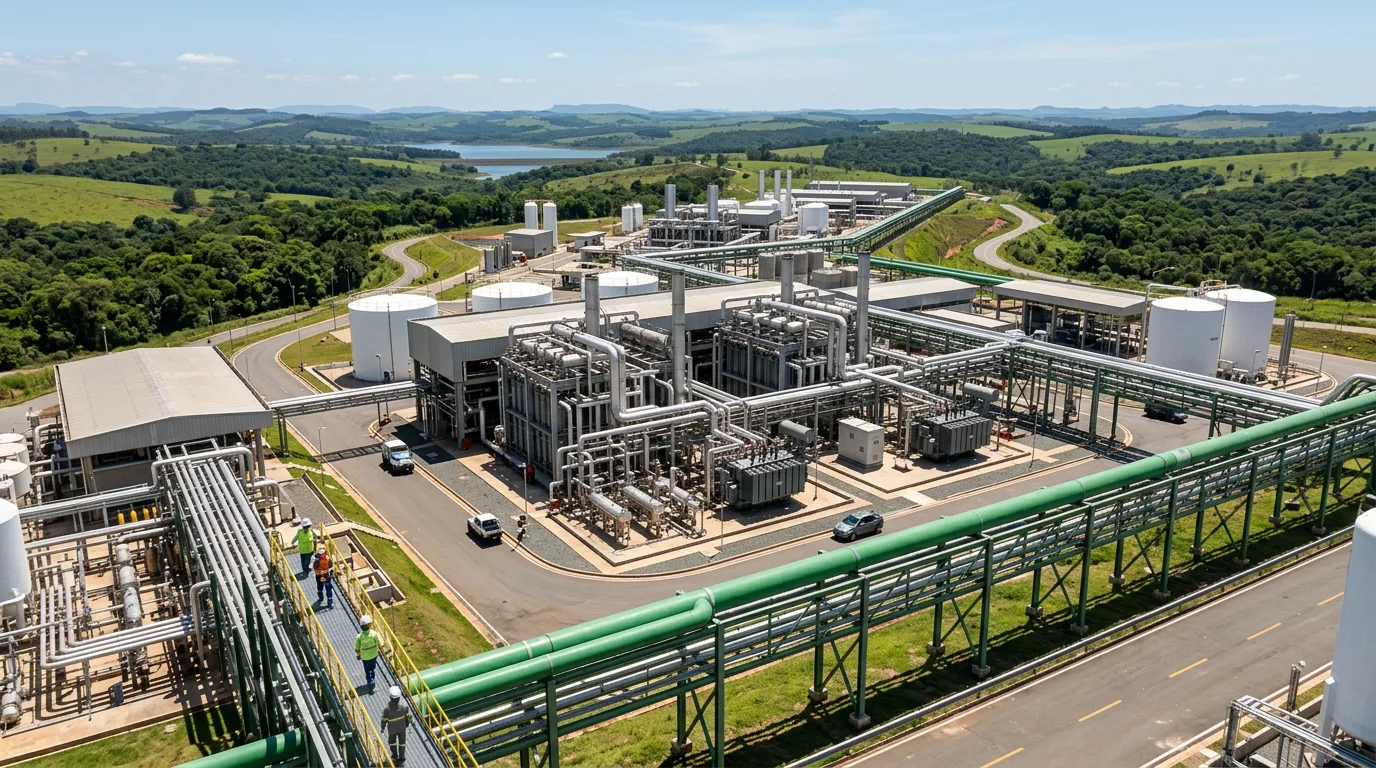
Brazil's green hydrogen sector has a project pipeline worth more than R115 billion ($23.1 billion) in anticipated final investment decisions by 2030, according to the Brazilian Green Hydrogen Industry Association (ABIHV). The figure covers projects that the industry expects to reach FID over the course of the decade, but reaching it depends on several conditions falling into place.
ABIHV CEO Fernanda Delgado told BNamericas that the association's members represent 10.4 GW of electrolysis capacity at various stages of development. She cautioned that bringing this multi-gigawatt capacity online depends on securing offtake contracts, favorable financing, environmental licensing, and adequate transmission infrastructure. Implementation, she said, will occur in phases as individual projects clear regulatory and financial hurdles.
Early projects give a first indication of the timeline. Developer Qair plans to launch a 20 MW first phase of its Fraternité project by 2028, while FRV aims to bring its H2 Cumbuco plant online by 2030. These initial phases are small relative to the overall pipeline, reflecting the staged approach the industry is taking.
Export-oriented ventures face a shifting international backdrop, particularly in Europe, where energy security concerns and military spending have reshaped investment priorities. Delgado noted that European decarbonization targets remain intact, but competition for public funds and uncertain demand could delay long-term purchase agreements, a key element for projects seeking bankability. The European market has been a focal point for Brazilian hydrogen exporters, making these developments consequential for the pipeline's export segment.
To limit exposure to international market risks, ABIHV is pushing for an expansion of domestic demand. Locally, Brazilian producers are tracking the second round of Germany's H2Global double-auction scheme, which includes a €587 million ($652 million) lot for South America and Oceania. For operators and developers, the combination of a large announced pipeline, phased deployment plans, and unresolved offtake and infrastructure questions means investment decisions over the next few years will hinge on how quickly demand, both domestic and international, materializes to match the electrolysis capacity under development.
Source: Pipeline Journal