The host nation of the United Nations’ COP31 climate summit, Turkey, has publicly encouraged participating wealthy nations to allocate greater financial resources toward climate support initiatives rather than defense expenditures. This call for a shift in global investment priorities comes as Turkey prepares to host the major international climate conference in Antalya, which is scheduled to take place from November 9th through November 20th.
Turkey’s diplomatic stance reflects a broader national energy strategy. The country recently announced plans to significantly increase its investment in developing renewable energy capacity over the coming years. This commitment to the energy transition is intended to bolster the nation’s sustainable power infrastructure and meet evolving global climate objectives. The focus on renewable energy development is a key component of the host nation’s agenda at the summit.
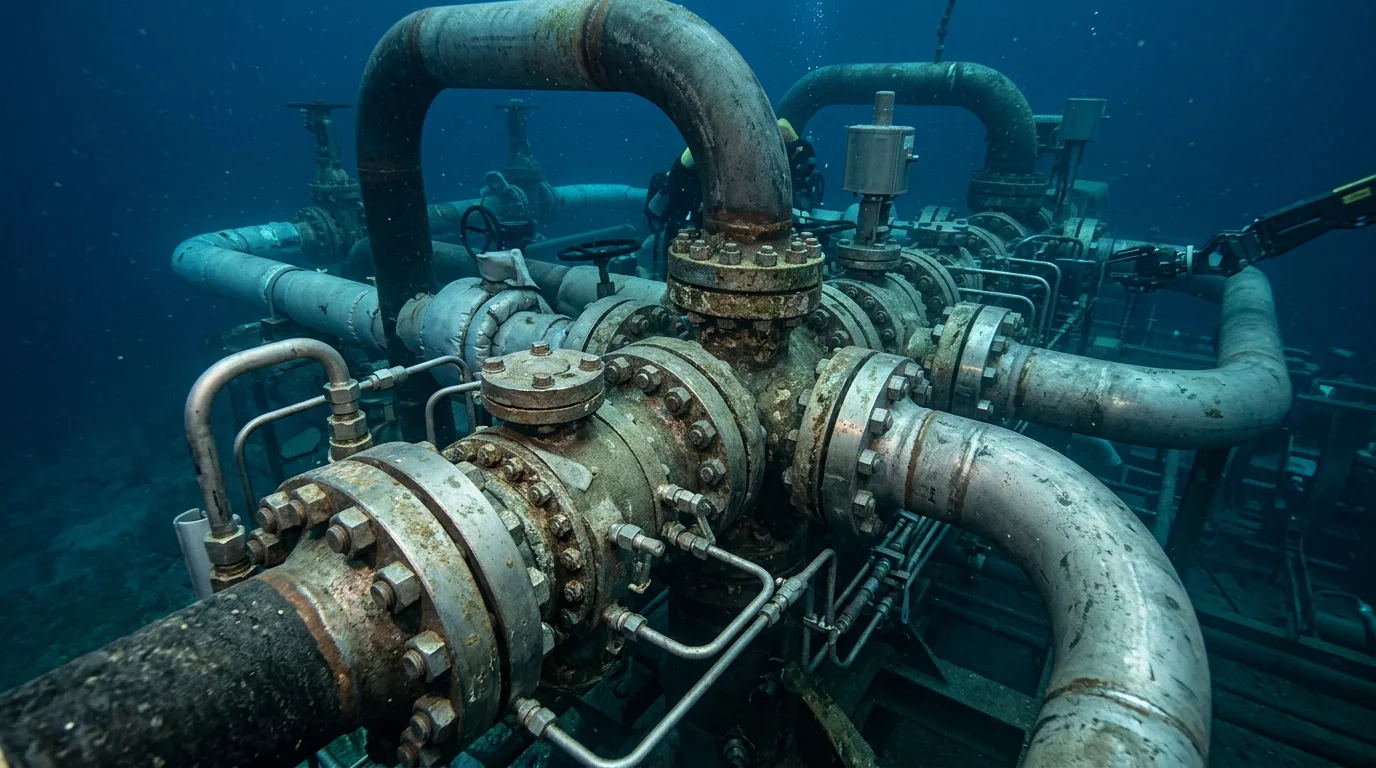
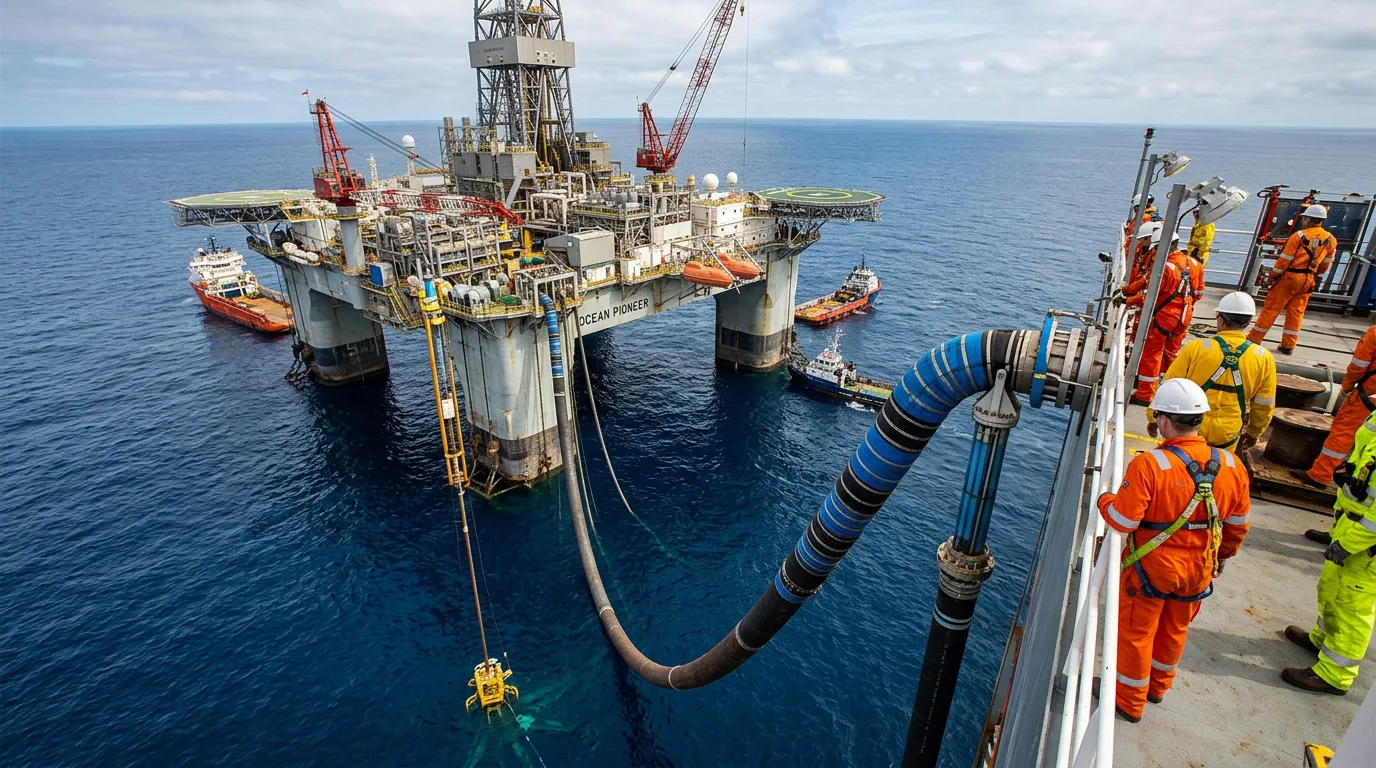
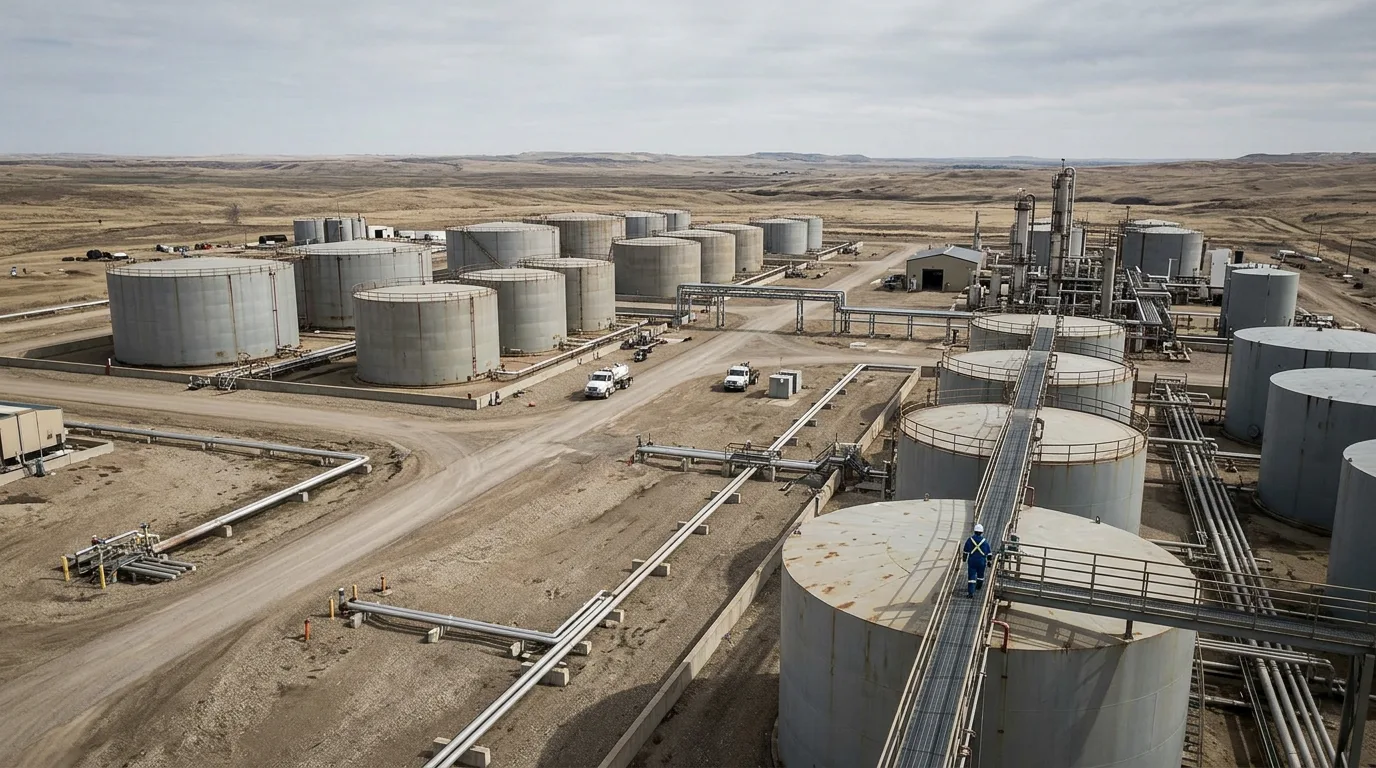
However, the Turkish government has also indicated intentions to expand its domestic oil and gas production capabilities. This dual approach presents a complex energy landscape, as the planned expansion of fossil fuel extraction and production may present challenges to the nation’s broader climate goals. The simultaneous push for renewable energy growth and increased hydrocarbon output suggests a strategy balancing immediate energy security needs with long-term environmental commitments.
This policy combination is expected to be a central point of discussion at COP31. The tension between the push for increased climate finance from developed nations and the domestic strategy of expanding traditional energy sources like oil and gas highlights the complexities facing nations attempting to navigate the global energy transition while maintaining economic stability and energy independence.
Source: Oilprice