A court ruling has jeopardized a license for Sentinel Midstream's $2.1 billion deepwater crude oil export project off the Texas coast, an environmental group that petitioned the court said this week. The development, known as GulfLink, now faces uncertainty over one of the approvals it needs to proceed. The group's announcement puts the project's regulatory standing in doubt.
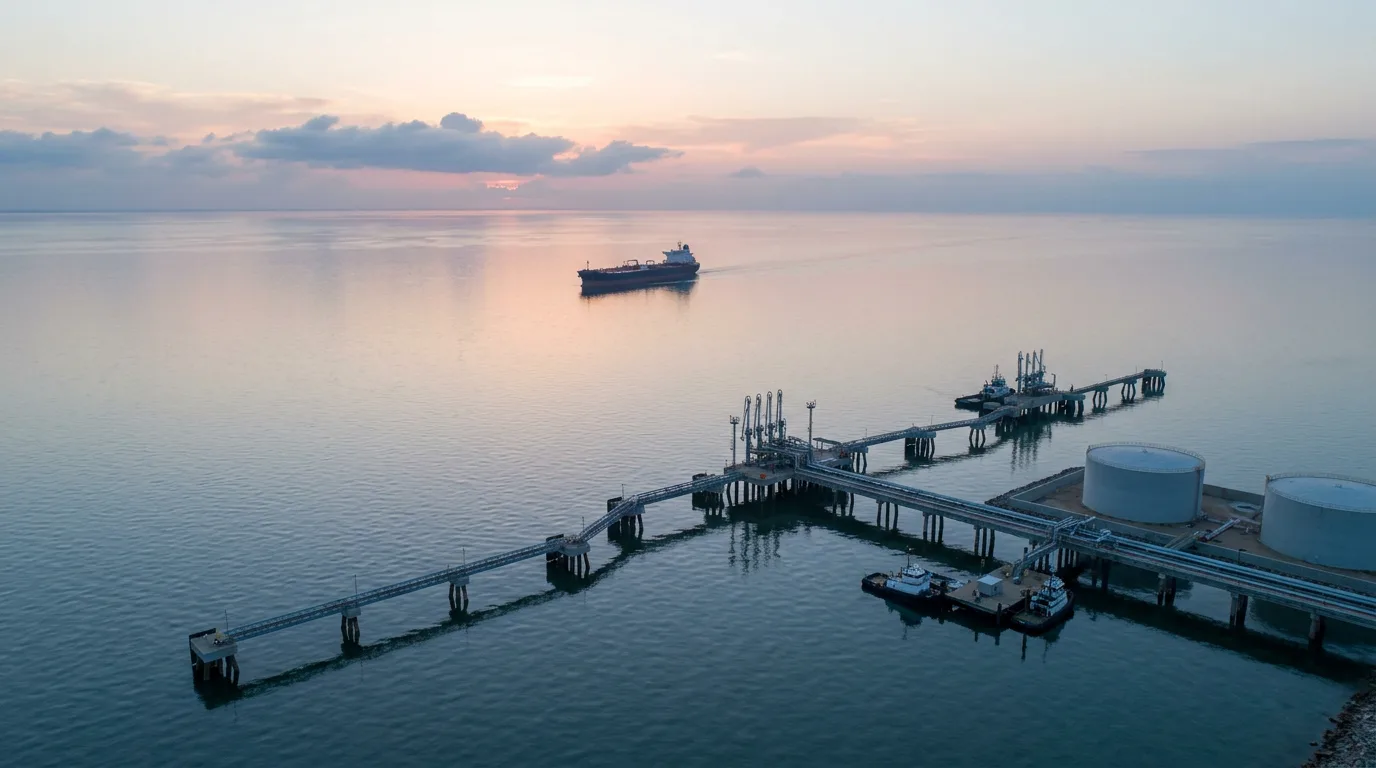
GulfLink is a deepwater crude oil export project intended to move crude from the Texas coast to buyers in overseas markets. Sentinel Midstream, the company behind the development, has valued the project at $2.1 billion. Offshore export projects of this kind represent a significant capital commitment, and their schedules and economics are closely tied to the licenses and permits they hold.
The legal challenge originated with an environmental group that petitioned the court over the project. That group now says the resulting ruling has jeopardized the license itself. For a deepwater export development, the license now under challenge is not a peripheral piece of paperwork but a core approval on which the venture depends.
For the wider Gulf Coast midstream sector, the episode is a reminder that court action can reach the approvals on which offshore crude export projects depend. Developers committing capital at the scale of $2.1 billion rely on a stable regulatory path, and a judicial setback of this kind introduces uncertainty into construction timelines and financing. The outcome also illustrates the influence environmental groups can have when they take their objections to offshore oil infrastructure into the courts. How Sentinel Midstream responds, and how the licensing question is resolved from here, will shape GulfLink's prospects and offer a reference point for other deepwater export projects in the region.
Source: Offshore Engineer