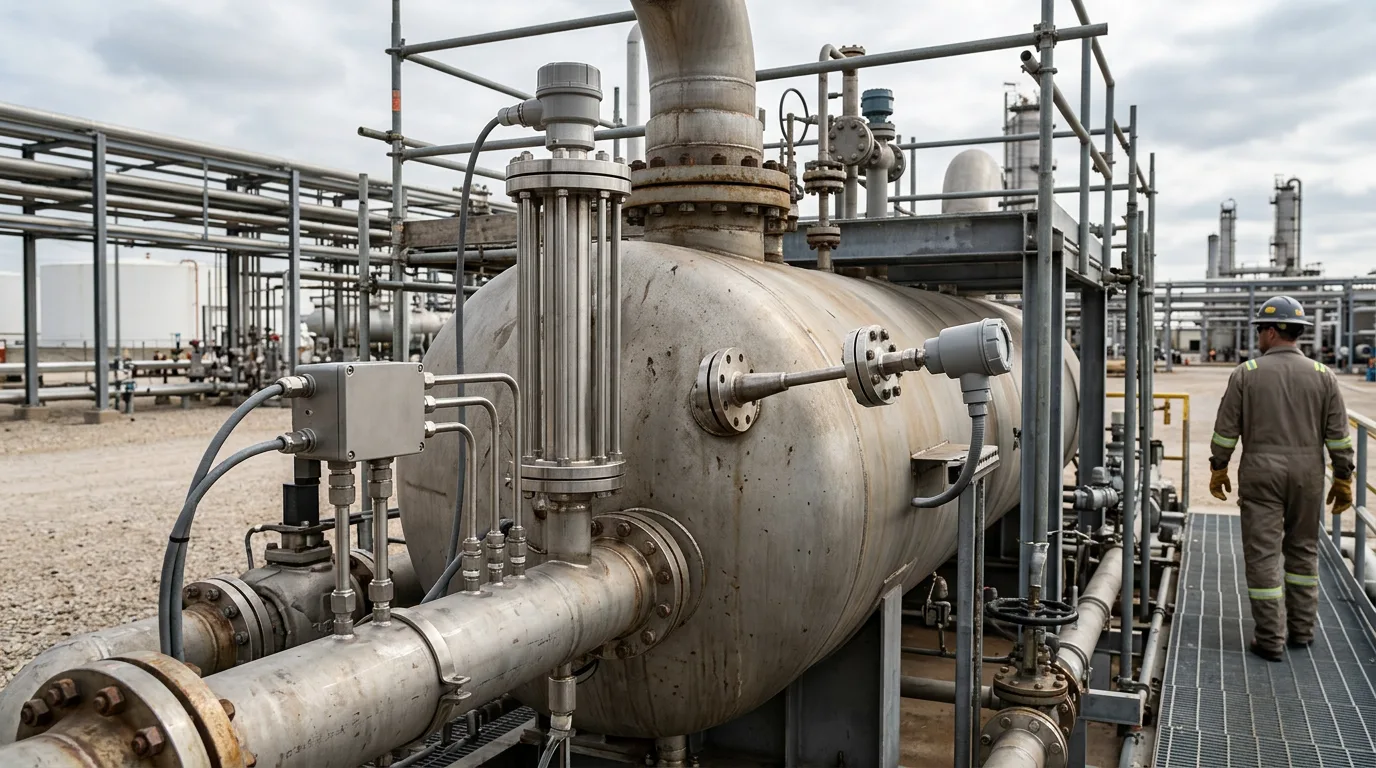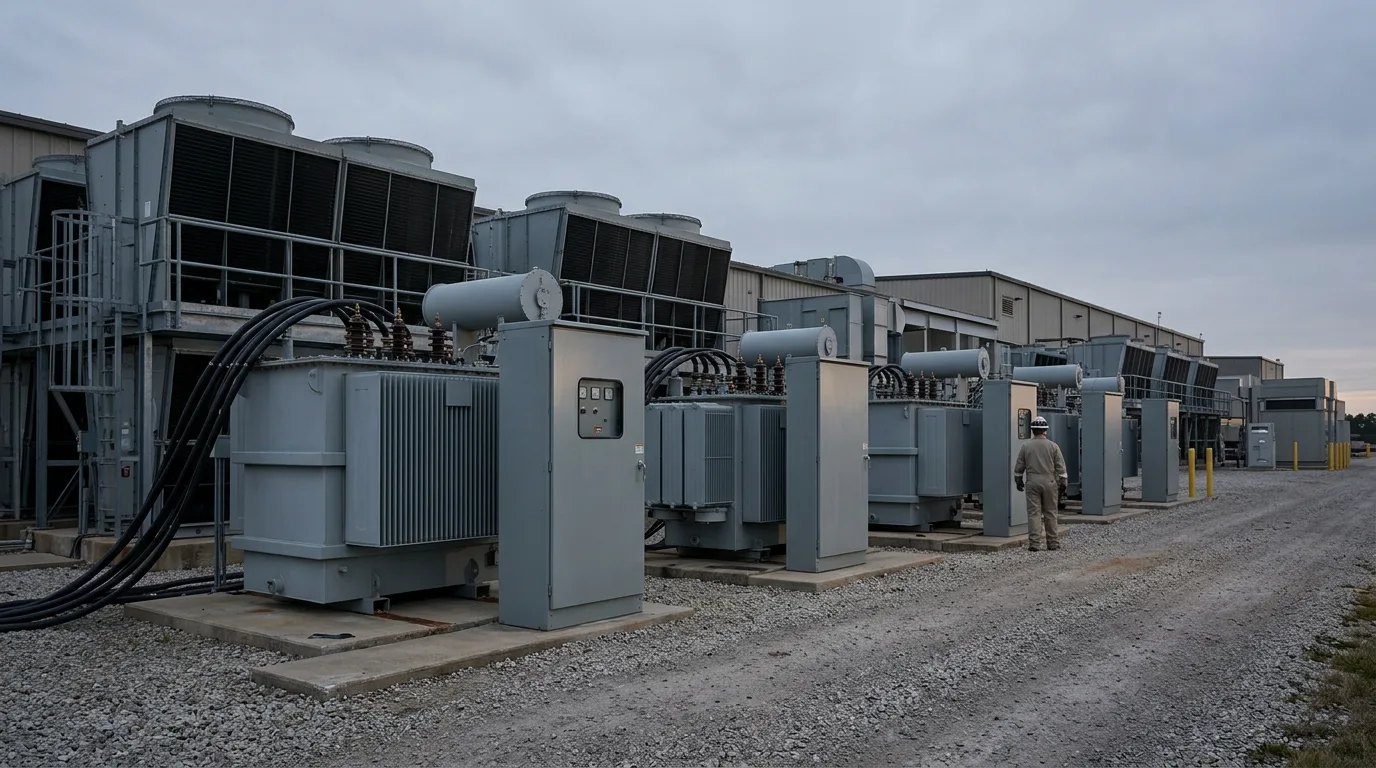
DARPA is backing a project to quantify the energy that artificial intelligence uses at each stage of its workflow, Oilprice reports. The initiative arrives as projections for AI-related electricity demand climb steeply and as the infrastructure needed to serve that demand becomes a central concern for power systems. Its stated aim is to account for energy consumption across the whole of the AI workflow.
The article traces the pressure to the sweeping integration of machine learning into nearly every category of product and infrastructure, with examples that run from energy grids to electric toothbrushes. That ubiquity, it says, has driven a worldwide push to expand data center capacity at maximum speed. The result is a steep rise in energy demand projections and strain on electricity grids that the article characterizes as unprecedented.
The quantitative anchor in the article is the expectation that data center energy consumption in 2030 will run at more than twice its 2024 level. Demand growing at that pace is what carries AI from a technology discussion into an energy one: the load is now large enough, and fast-growing enough, to figure in system-level forecasts and to bear directly on grid capacity. It is also what gives a measurement project practical urgency, because demand of this magnitude has to be understood before it can be planned for.
For the energy industry, the significance is that AI's power draw is becoming a demand category in its own right, one that spans the full computing workflow rather than a single type of activity. Measurement efforts of the kind DARPA is supporting are intended to make that load visible and attributable, stage by stage. For grid planners and data center operators alike, that visibility is a precondition for planning around a demand source that, on current projections, is still growing fast.
Source: Oilprice