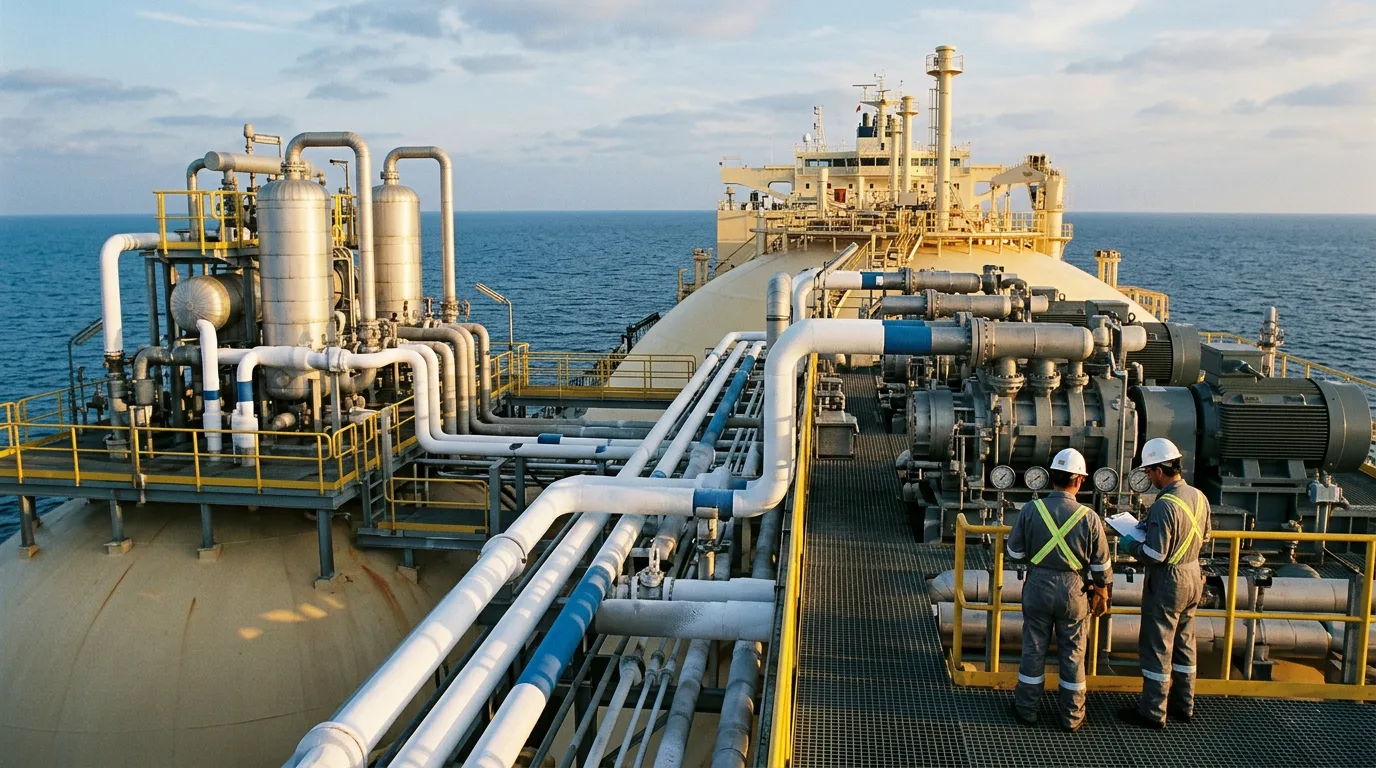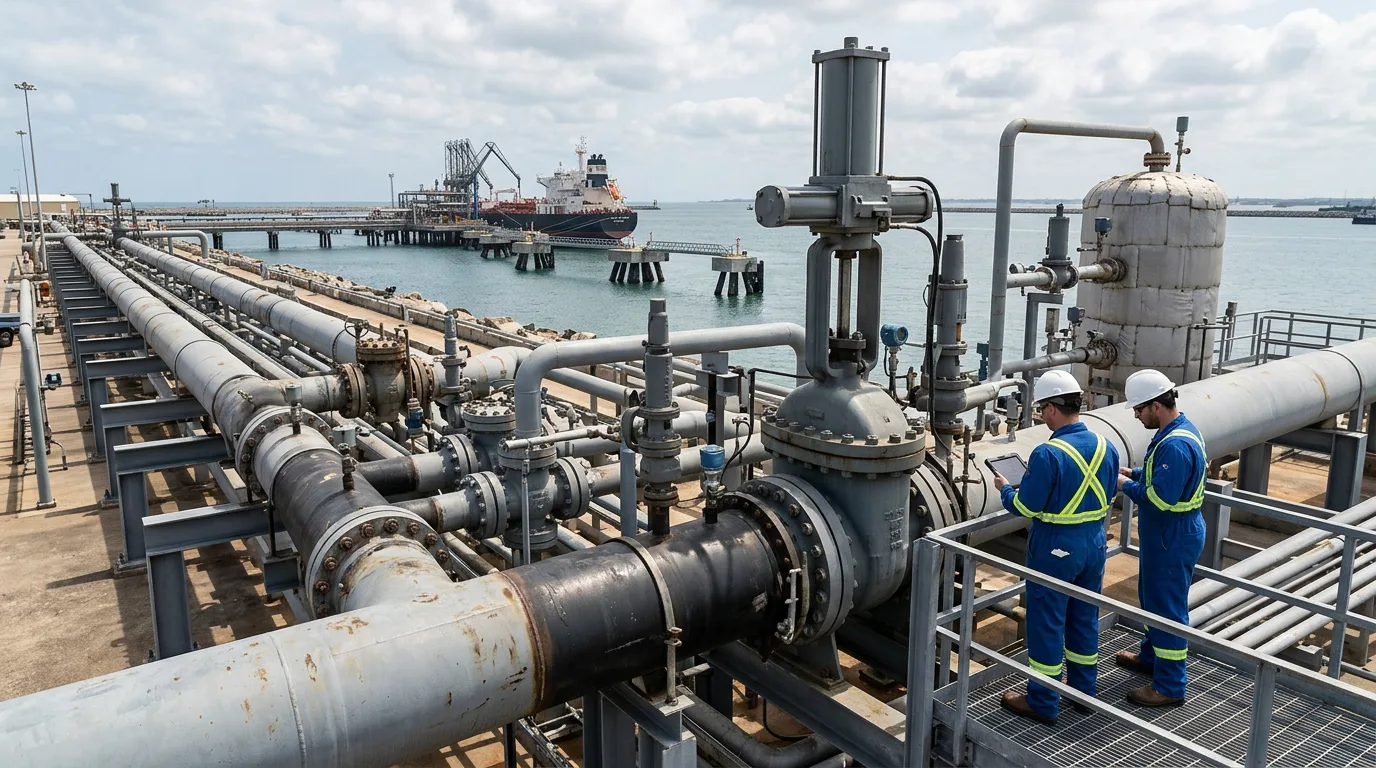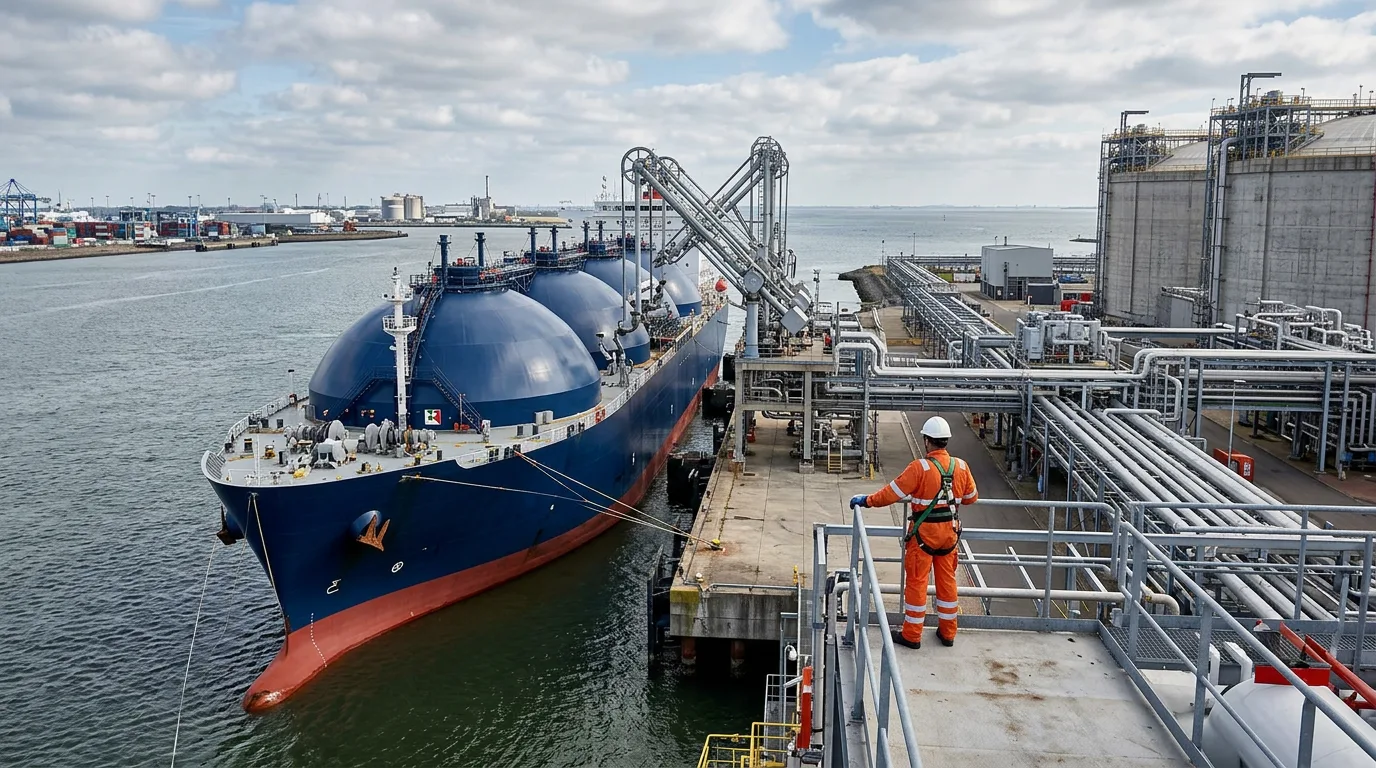
PetroChina International has delivered its maiden liquefied natural gas cargo to the Gate import terminal in Rotterdam. The company, a unit of state-owned PetroChina, made the shipment under a long-term capacity agreement at the Dutch site. The delivery turns that contractual arrangement into physical LNG flows into the Netherlands.
The Gate terminal is owned by Gasunie and Vopak and stands in Rotterdam, where it serves as an entry point for seaborne LNG into the Dutch gas infrastructure. Facilities of this type receive liquefied natural gas carried at cryogenic temperatures, keep it in insulated storage tanks, and return it to its gaseous state for onward transport by pipeline. A terminal of this kind therefore links international LNG shipping directly with the receiving market's transmission network.
Long-term capacity agreements of this kind give a shipper reserved rights to land cargoes at a terminal over an extended period, typically covering services such as unloading, storage and regasification. For PetroChina International, the arrangement provides a standing route for bringing LNG volumes ashore in the Netherlands rather than relying on ad hoc bookings. The first cargo under the deal shows that the capacity secured by the Chinese company is now in commercial use.
For Gasunie and Vopak, the delivery marks the activation of a long-term capacity commitment at their Rotterdam facility. For the broader industry, it shows a state-controlled supplier using reserved capacity at a European import hub to give its cargoes a landing point in the region. The shipment also underlines the role that long-term capacity contracts play in underpinning throughput at import terminals, tying overseas supply to demand centres on the European mainland.
Source: LNG Prime