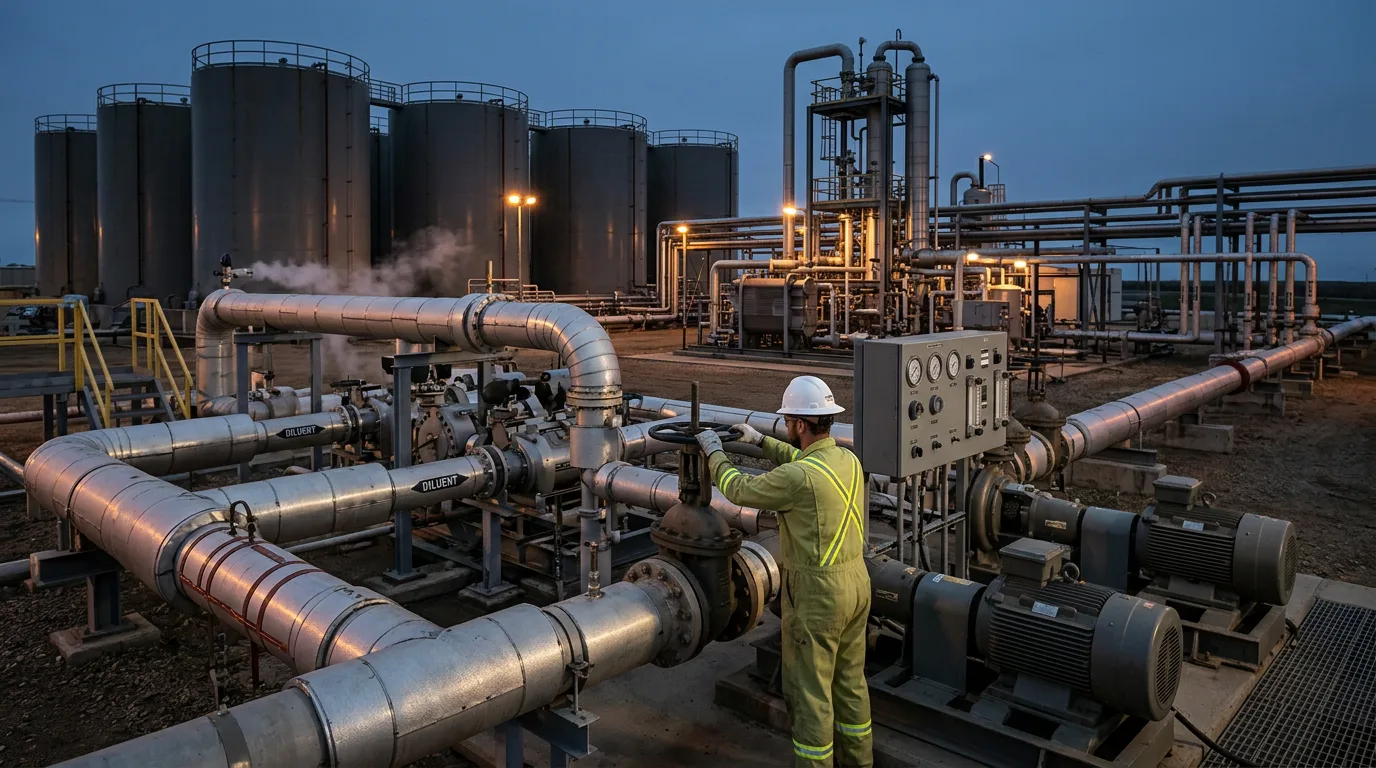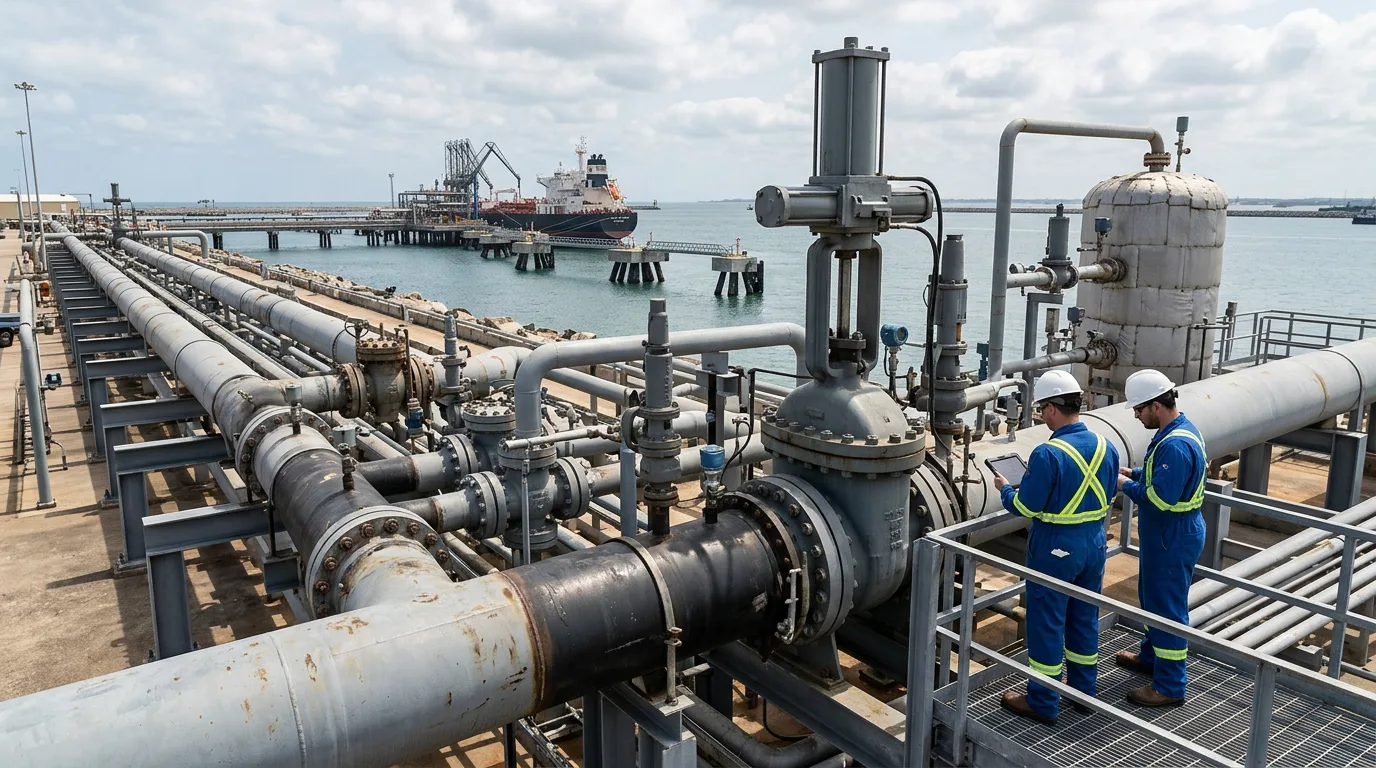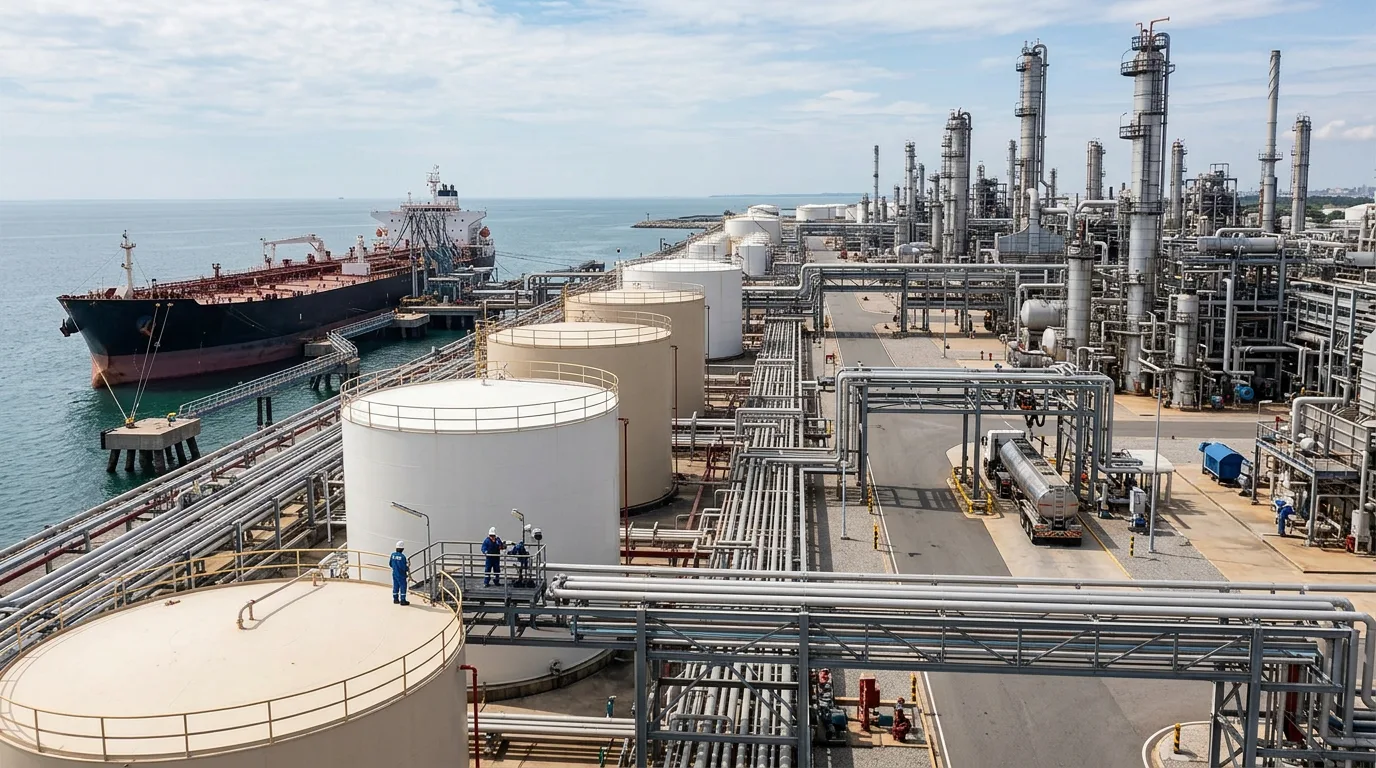
Governments in the G7 and its partner countries have agreed to release up to 100 million barrels of diesel and crude from emergency stockpiles over the coming four months. They would enter a fuel market where refinery output has fallen short for months. French President Emmanuel Macron said on Friday that the release would be coordinated through the International Energy Agency, with diesel the stated priority.
Under the split the governments have discussed, European countries would put out 50 million barrels of diesel, while IEA members would provide a further 50 million barrels of crude. Half of the total is therefore finished product, aimed at the fuel that has been hardest to secure, and half is crude that refiners can process into additional output. The diesel weighting reflects the product shortfall at the center of the market's difficulties.
Coordination through the IEA places the drawdown under a joint framework in which member governments act in parallel rather than separately. The four-month schedule spreads the additional barrels across the period instead of releasing them in a single move. Because the oil comes from government stocks, the measure taps public reserves rather than new production.
For refiners, traders and fuel buyers, the release adds state-held barrels to a market where refinery output has not kept pace for months. The diesel tranche addresses the product gap directly, while the crude share gives processing plants additional feedstock to work with. Operators will be watching the delivery schedule across the four-month window, since the pace of the release will determine how quickly the extra barrels reach the market.
Source: Oilprice