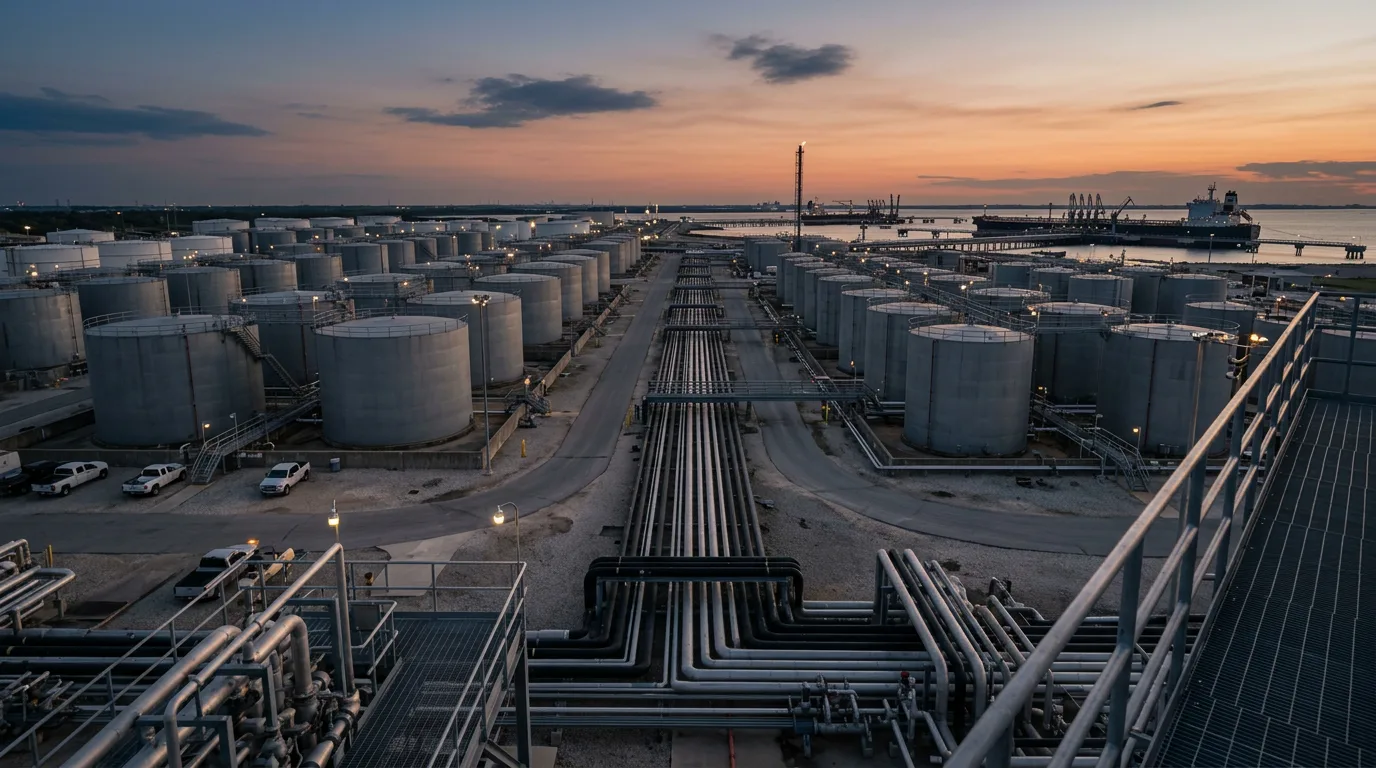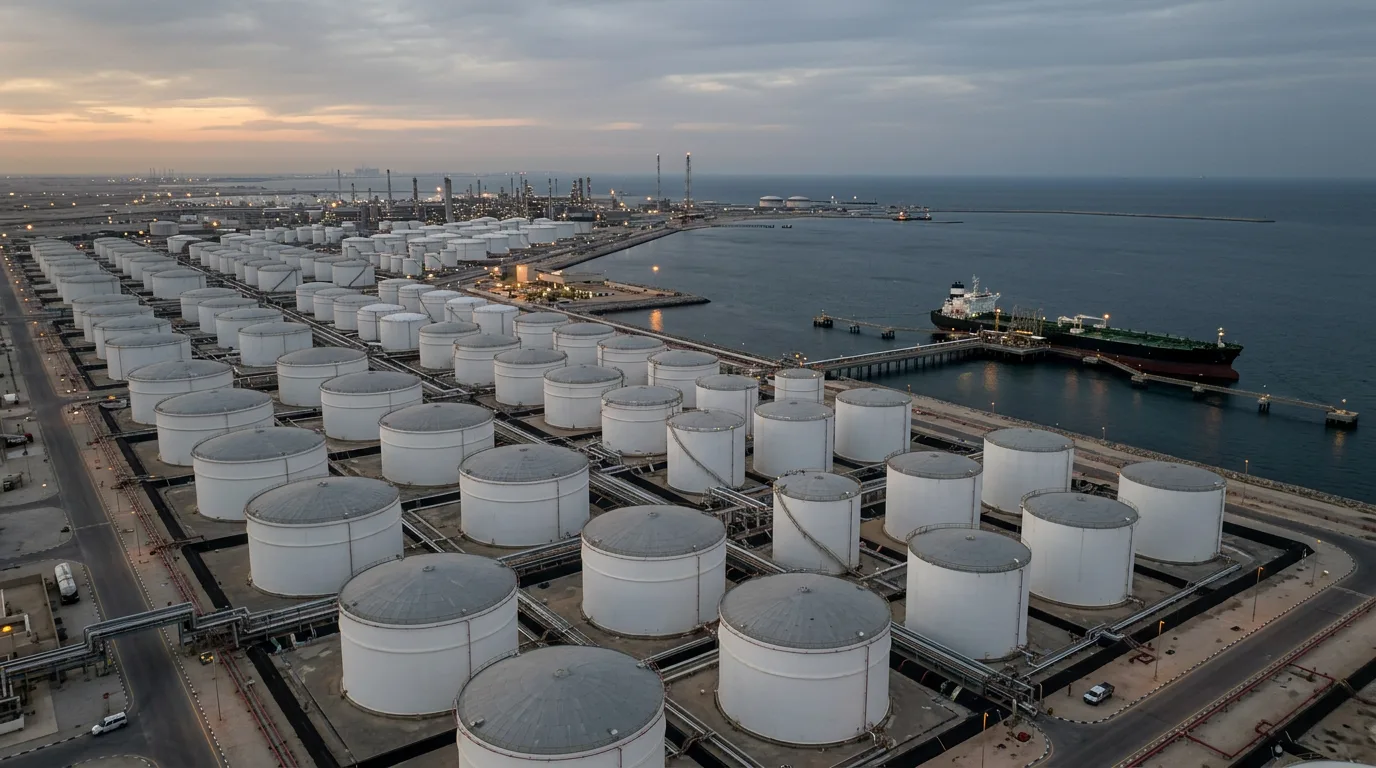
Attacks attributed to Iran-backed Houthi forces struck Ras Tanura, Saudi Arabia's largest oil refinery, last week, according to a report by Oilprice. The incident sent oil prices higher and, in the publication's assessment, once again laid bare the region's difficulty in defending its energy infrastructure. The facility has been targeted before, and the report treats the latest strike as part of an established pattern rather than an isolated event.
The commentary argues that the strike demonstrates the limits of the defense equipment regional countries have purchased from the United States, hardware valued in the billions of dollars and acquired specifically to counter threats from Iran and its network of proxies. Despite that investment, the report contends, the region remains unable to prevent attacks on facilities such as Ras Tanura. In the publication's view, the protective umbrella built around Saudi oil infrastructure has not delivered the security it was intended to provide.
According to the report, the attacks serve as a reminder to Washington and its allies that Tehran retains the ability to strike across the region at a time and place of its choosing. The publication presents that reach, exercised through a network of allied proxies, as the central security problem facing the area's oil producers. On the evidence of this latest incident, the report finds no effective answer to it in the defenses currently deployed.
For the industry, the immediate effect was visible in the price response, while the deeper concern raised by the report is the repeated exposure of a facility of Ras Tanura's scale. Refineries of this size sit at the center of national oil operations, so risk around them carries weight well beyond the local level. If the report's assessment is right, attacks of this kind will remain a recurring variable in price formation and in how operators plan around regional supply risk.
Source: Oilprice