Shell is to take a 30% stake in Bay du Nord, an offshore oil development situated in the Flemish Pass basin. The agreement adds Shell to the ownership of Equinor's project, giving the company a minority position in the development. Equinor remains the project's owner, with Shell's stake held alongside.
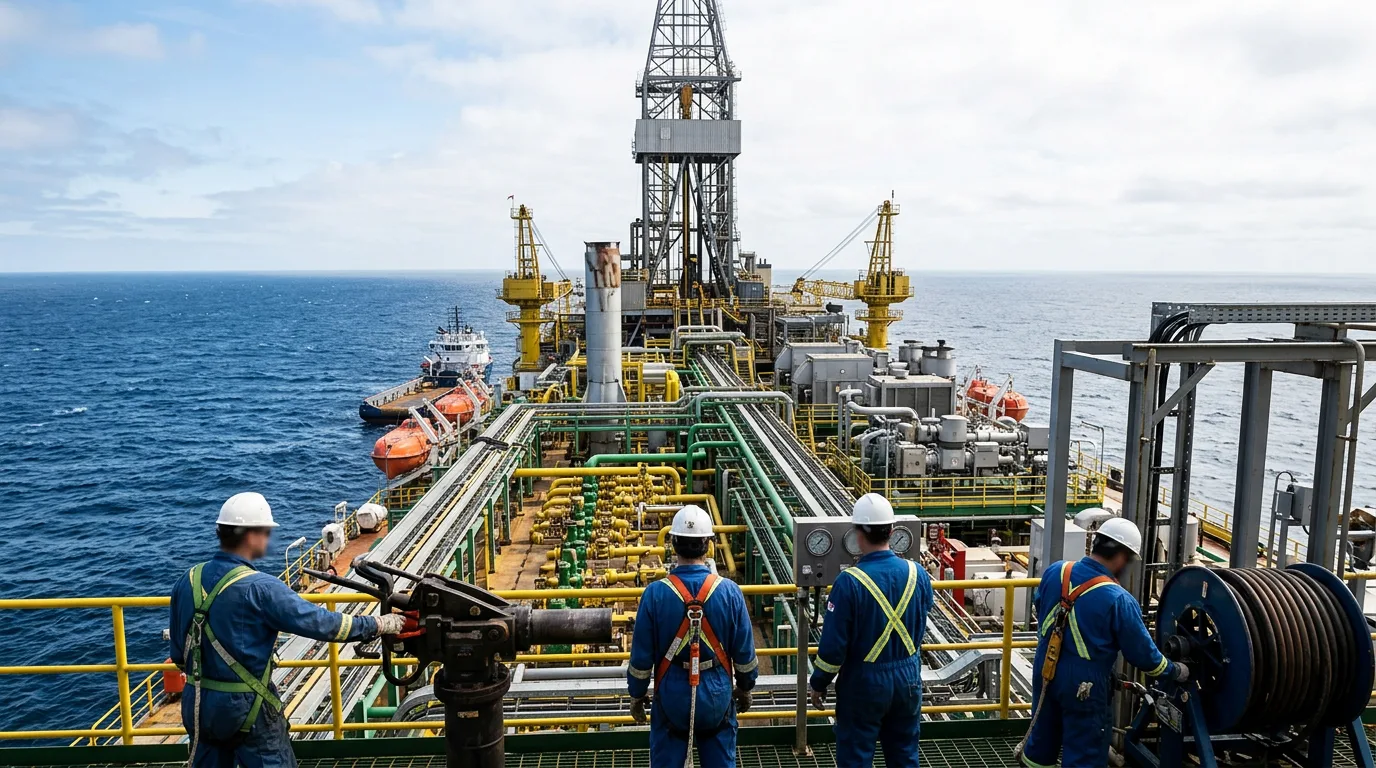
The development lies about 500km from Newfoundland and Labrador, a distance that shapes its operating conditions. At that remove from shore, offshore oil production depends on marine logistics and offshore-based systems for construction, supply and ongoing maintenance. For the engineers and crews involved, the remote setting is a central consideration in planning, affecting how support operations are run.
A 30% interest is a significant minority share in a project of this kind. Holders of equity on this scale typically carry a proportional share of the development's costs and of the oil it produces, and they take part in decisions made jointly with the other owners. For Shell, the agreement adds an offshore oil interest to its portfolio; for Equinor, it brings in a partner that will share the financial commitment the project requires.
Ownership changes of this kind tend to affect a project through governance and economics rather than through immediate changes offshore. The division of costs, production and decision rights among the partners will follow the terms agreed between the companies. For the wider industry, the transaction is a further example of how ownership of offshore oil developments is shared among the companies that carry them forward, a composition that shapes both the risks taken and the returns available from a project.
Source: Offshore Technology