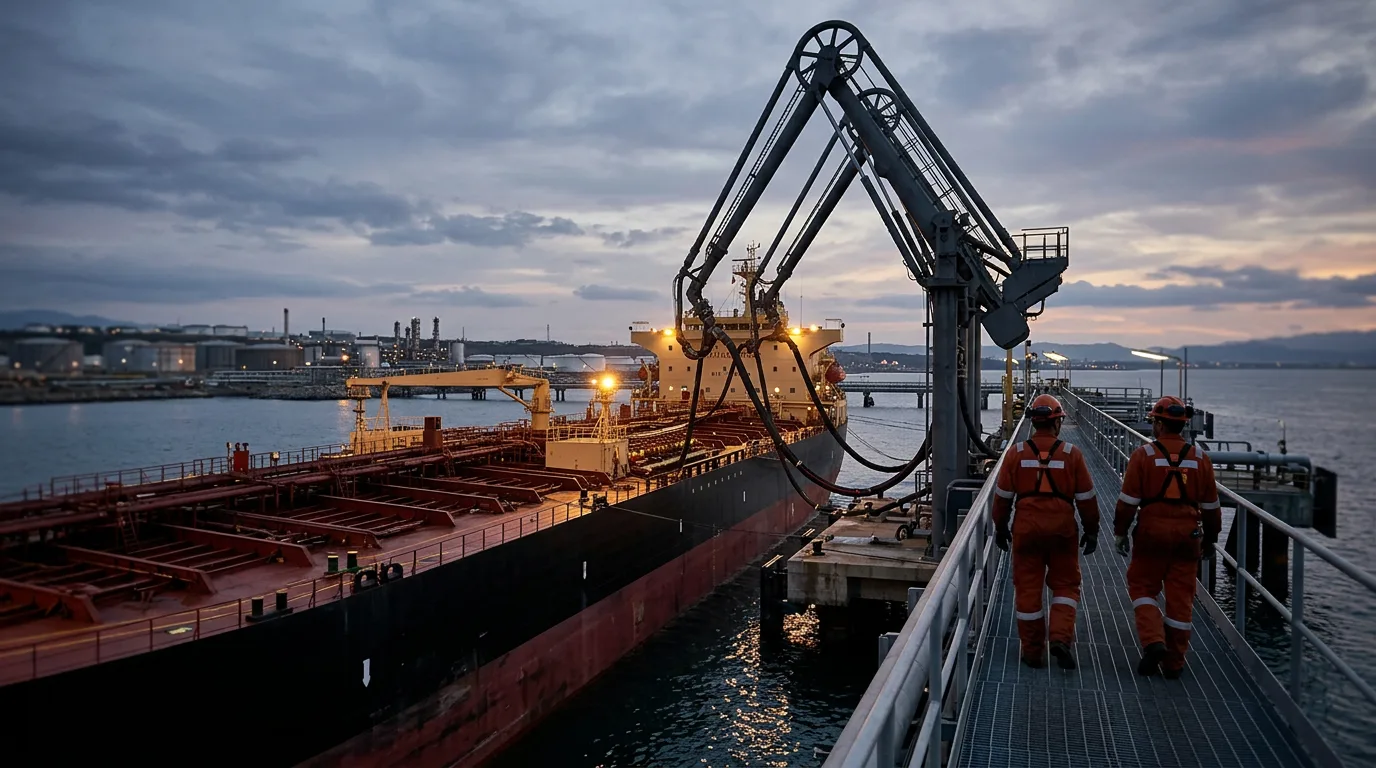
Venezuela's oil exports fell nearly 9% in September to 1.08 million barrels per day, as sharply higher tanker costs disrupted the country's crude shipments. Traders buying Venezuelan barrels demanded steeper price discounts and held back cargoes that were due to leave. The decline came despite rising purchases by the United States, pointing to shipping costs and delays rather than demand as the main constraint on the month's flows.
Global trading houses, including Vitol and Trafigura, pressed PDVSA for better terms as freight costs eroded the margins on Venezuelan cargoes. Their demands reflect how chartering expenses have become a central factor in the economics of the country's discounted crude exports. For PDVSA, the better terms being sought amount to deeper discounts on the barrels it sells.
Tanker reroutings added to shipping delays that had built up over the summer, deepening an existing backlog. Cargoes waited longer to sail, stretching out the pace at which crude left the country. Those logistical frictions worked alongside the freight-cost squeeze to pull the September total down.
Buying by the United States moved against the overall trend. Venezuelan shipments to the US rose to 629,000 barrels per day in September, up from 553,000 barrels per day in August. The higher offtake stood out against the decline in the country's total export volume.
For anyone handling Venezuelan grades, the September figures underline how sensitive the country's export flows are to freight markets. Higher tanker costs feed directly into the discounts PDVSA must offer and into the timing of cargoes, both of which complicate planning for buyers and sellers. The rise in US-bound volumes indicates that demand for the crude persists even when shipping conditions limit how much of it actually moves.
Source: Oilprice