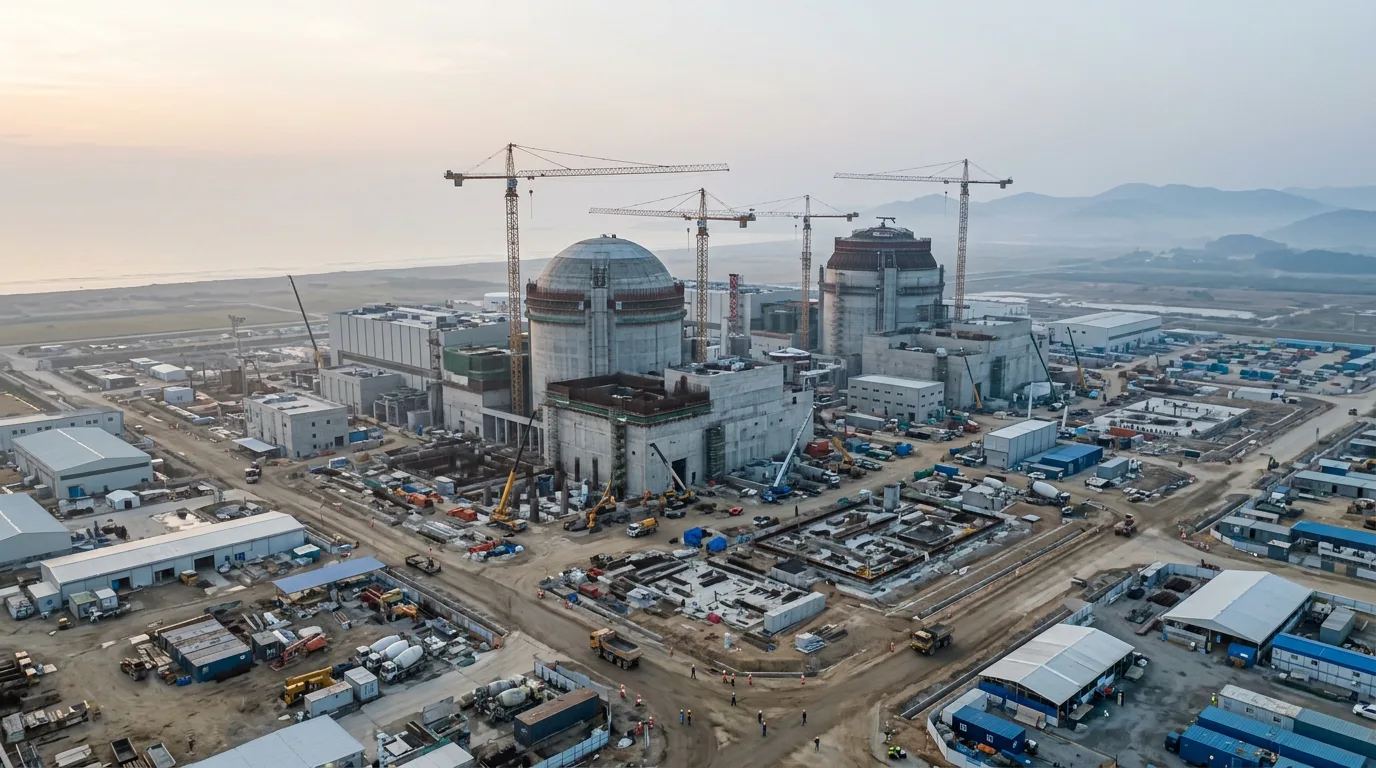
Asia accounts for 73% of the nuclear capacity currently being built worldwide, according to the report. The figure comes as nuclear power gathers pace, with countries weighing whether to add or build reactors for the first time. The report ties the trend to a reordering of energy priorities across the region.
The driver is the Middle East crisis and the spike in oil and gas prices that has come with it. Asian nations have responded by moving energy security up their agenda and by favoring electricity generated from domestic resources. The shift reflects the volatility now visible in fuel markets.
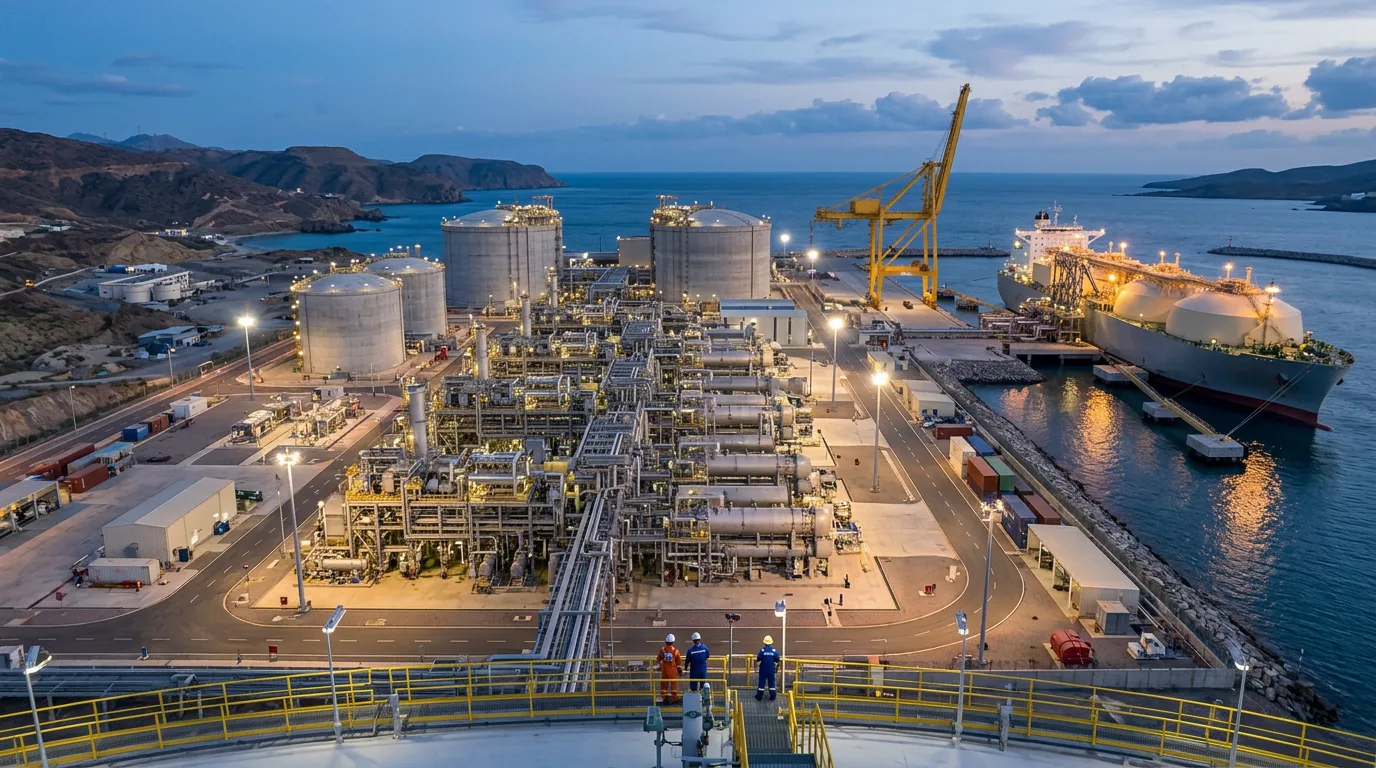
Gas is where the pressure shows most clearly. The crisis around the Strait of Hormuz pushed LNG prices higher and cut into gas demand, the report notes, on top of the broader spike in oil and gas prices. Taken together, the price moves have made imported fuel a costlier and more uncertain input for power generation across Asia.
Renewables are expanding in parallel. Renewable capacity is growing fast not only in China and India, the region's largest emerging markets, but across Southeast Asia as well. The report describes nuclear as another clean energy source that is picking up momentum alongside renewables, giving governments more options as they look to diversify.
For the industry, the significance lies in the direction of travel. Higher LNG prices and softer gas demand have coincided with rapid renewable growth and a nuclear pipeline concentrated in Asia, while governments rank energy security and domestic generation among their top priorities. If the countries now weighing reactors move from consideration to construction, equipment suppliers, fuel providers and plant operators would face a market in which clean, domestically anchored capacity takes a larger share of new build.
Source: Oilprice