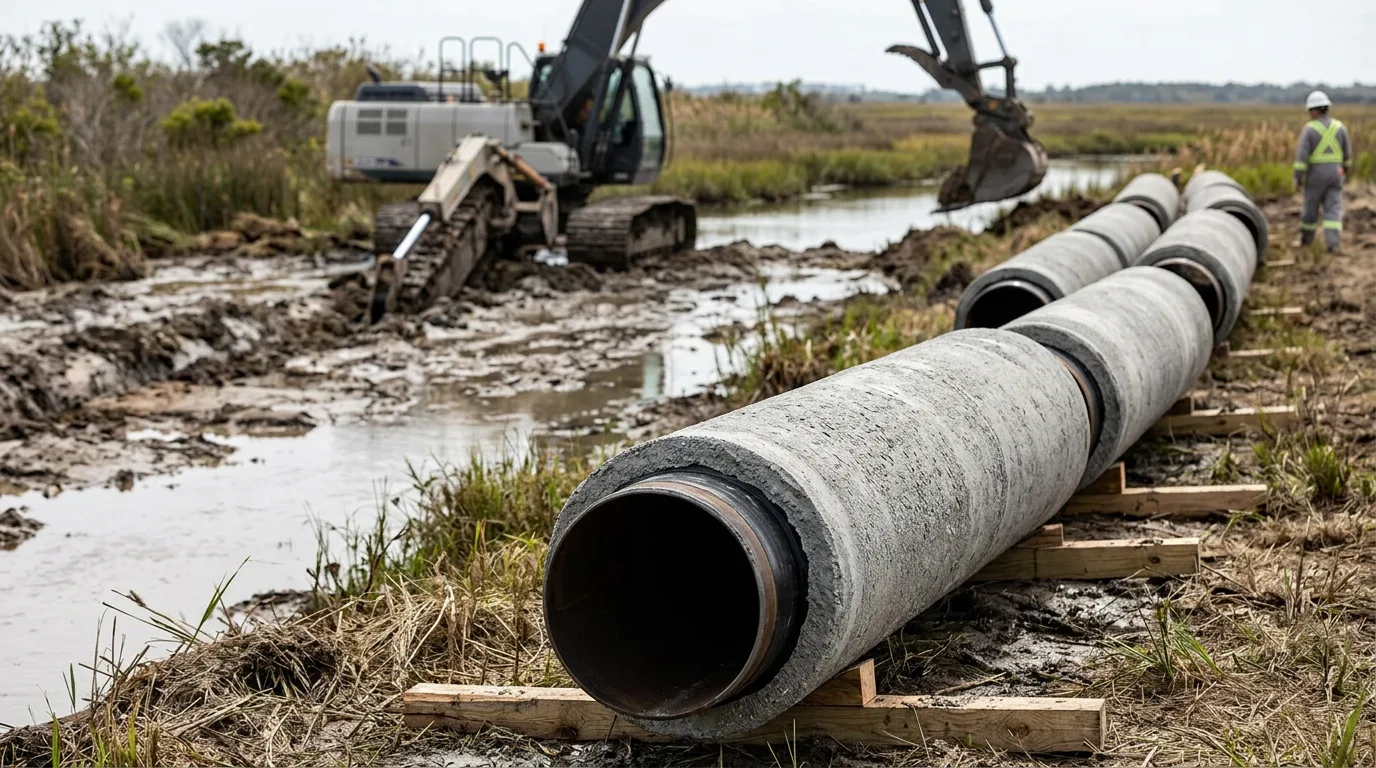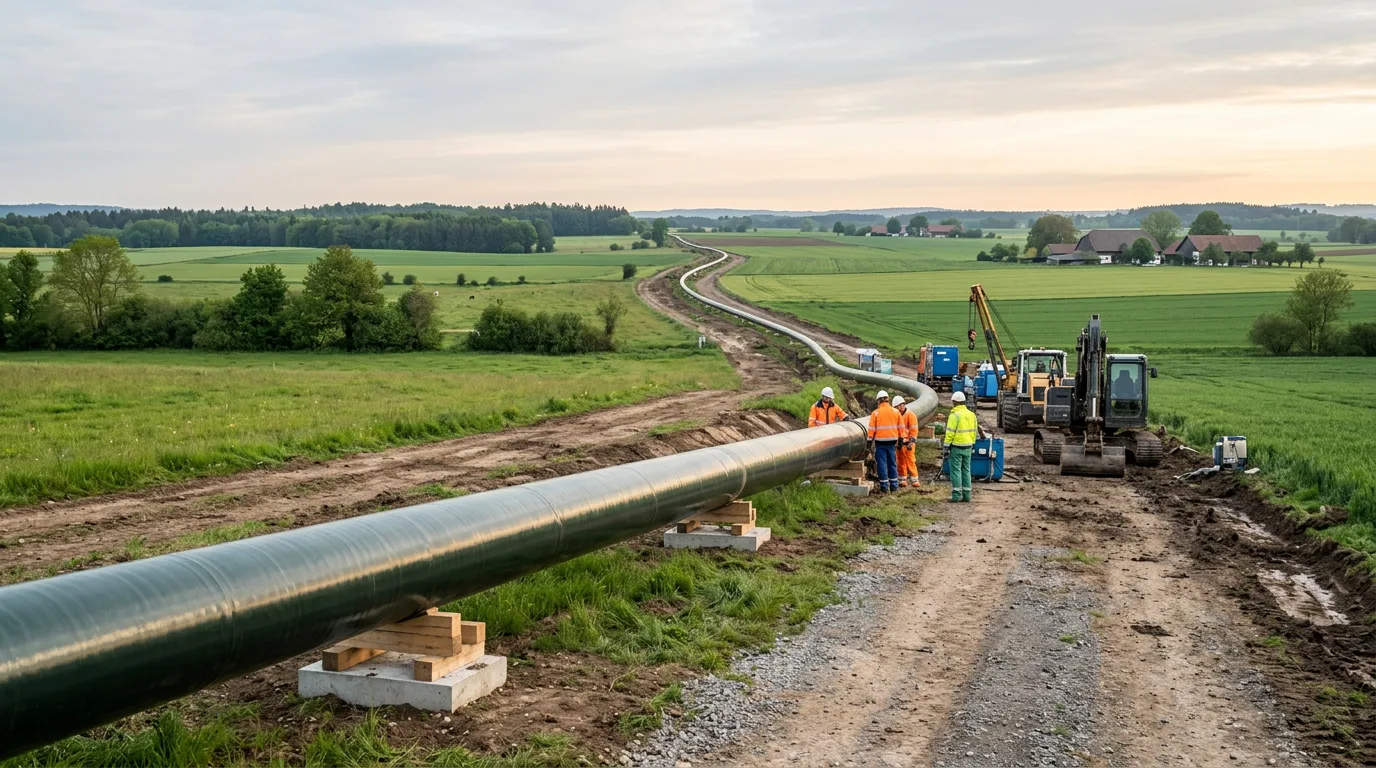
Germany's hydrogen pipeline backbone is expected to grow to nearly 1,500 kilometers of active infrastructure by the end of 2027, according to FNB Gas, the national association of gas transmission system operators. The expansion will add 900 kilometers of new and converted pipelines to the existing 540-kilometer operational network, more than doubling the currently active footprint.
The projected 2027 network would represent roughly 16% of the country's targeted 9,040-kilometer total infrastructure, which is intended for full rollout by 2032. While the upcoming additions mark tangible progress, the current trajectory underscores the need for a significant acceleration in construction and conversion activity to meet the mid-term goals. If the network continued to grow at the projected rate of 900 kilometers per year, it would reach just under 6,000 kilometers by 2032, falling short of the ultimate target.
Commercial commitment to the system remains at an early stage. In August, German transmission system operators confirmed that approximately six gigawatts of capacity across the planned network had been reserved on a paid basis. Once fully operational in 2032, the network is designed to support a feed-in capacity of 101 gigawatts and an offtake capacity of 87 gigawatts.
Industry analysts and market participants note that continuing uncertainty over the final layout and completion timeline of the pipeline backbone is slowing the conclusion of long-term supply agreements. For companies planning hydrogen supply chains and offtake arrangements in Germany, the pace of network build-out and the clarity of the route plan remain key variables in investment decisions over the coming years.
Source: Pipeline Journal