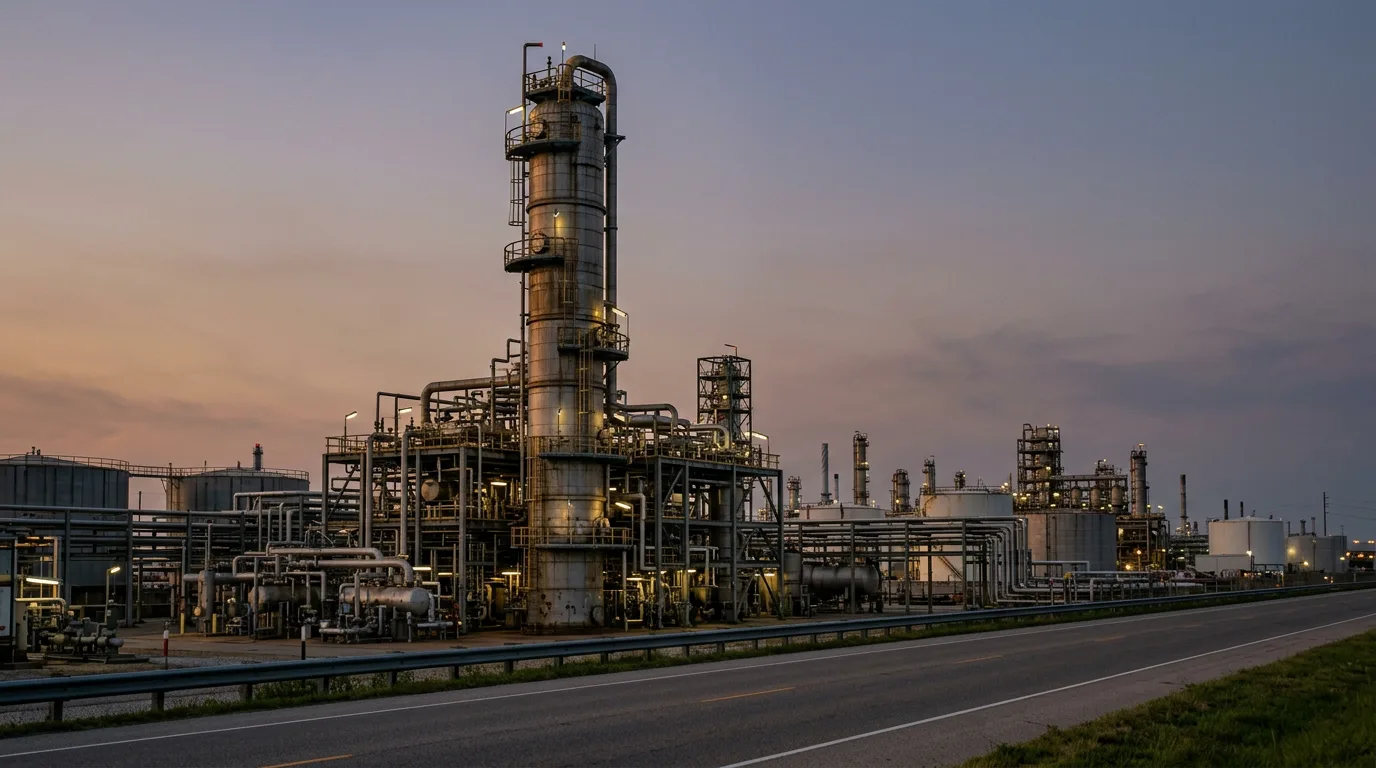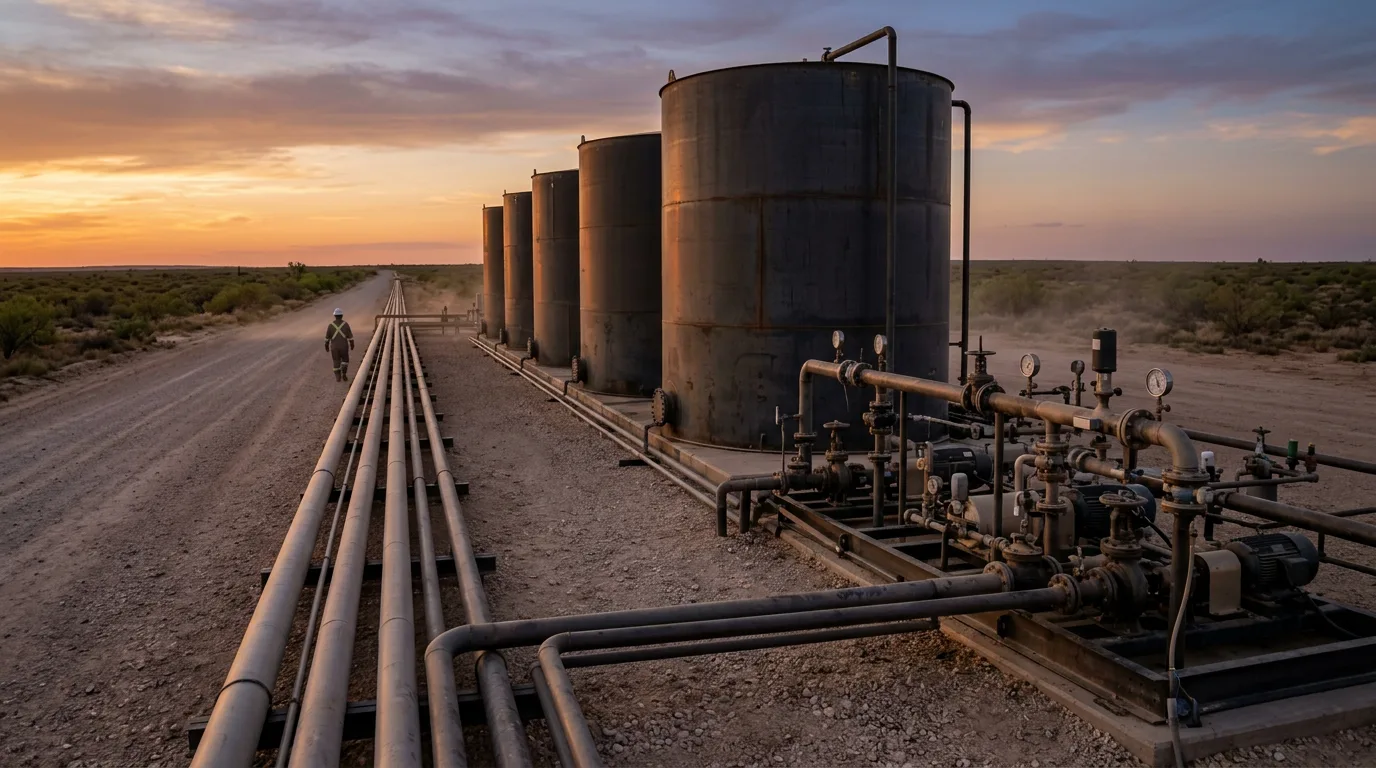
Researchers at the University of Texas at Austin have published a study suggesting that wastewater from the oil and gas industry could be used to cool artificial intelligence data centers. The work points to the Permian as a source of that water, connecting oilfield wastewater to the cooling requirements of computing facilities. The researchers present the approach as a way for data centers to source water sustainably at a time when the sector's resource footprint is drawing scrutiny.
The study addresses a resource squeeze that has grown alongside AI. Hyperscalers are building resource-hungry data centers at a pace that is straining the world's water and energy resources, and demand projections for these finite resources are rising faster than policymakers can keep pace. The study frames the water and energy use of AI data centers as enormous, and cooling is the demand it examines. That gap between projected demand and policy planning sits at the center of the argument.
The proposal connects two water questions that are usually treated separately. Data center operators need a water supply for cooling, while oil and gas producers in the Permian generate wastewater as a routine part of production. Matching one with the other, the researchers suggest, could give computing facilities a sustainable water source without adding to the strain on water and energy resources.
For the oil and gas industry, the findings suggest a possible new link between wastewater handling and the expansion of digital infrastructure. If the approach holds up, areas that generate oilfield wastewater could count data center operators among the users of that water. The study also feeds into a broader debate over the water and energy footprint of AI, one that current demand projections suggest is outpacing the policy response.
Source: Oilprice