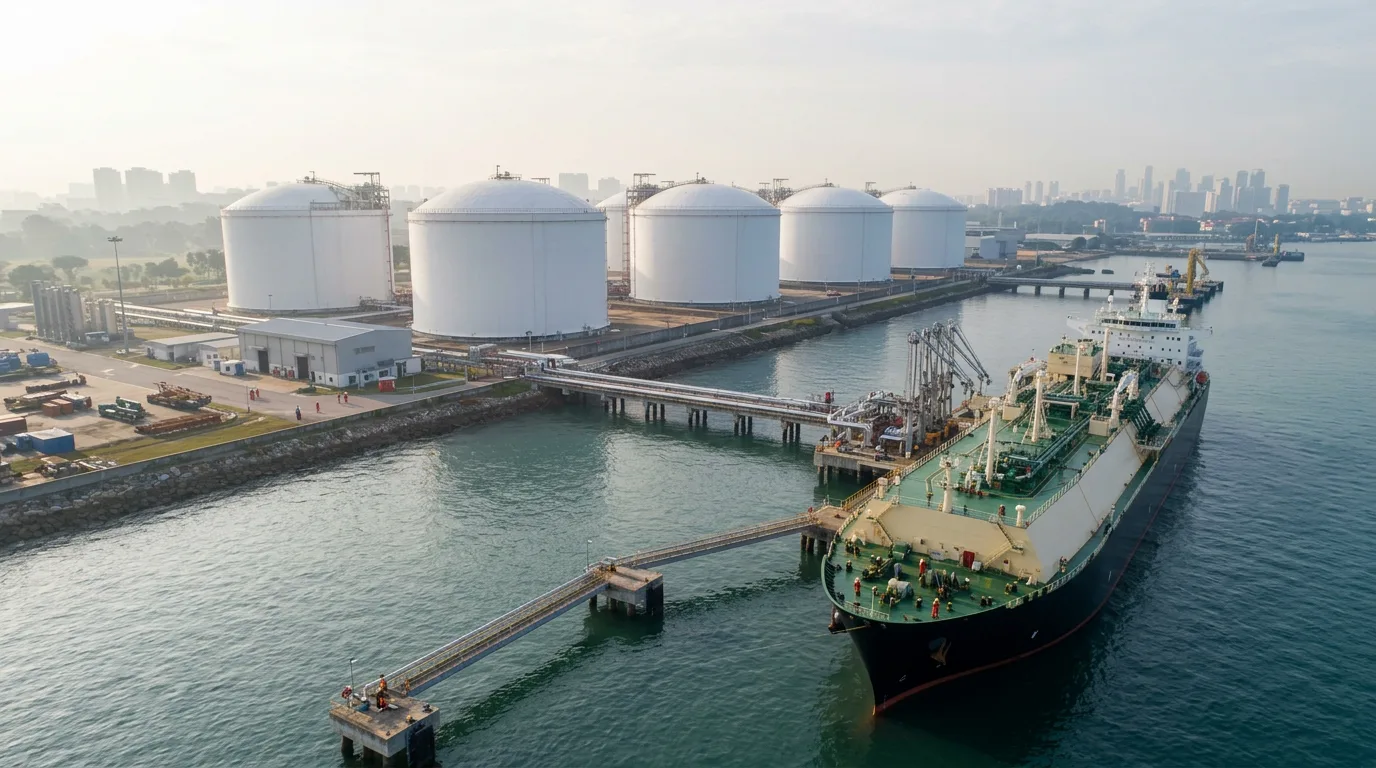
Singapore is considering the development of a third liquefied natural gas import terminal as part of its plans to strengthen the country's energy security. The potential project was disclosed by Singapore's energy minister, Tan See Leng, who framed the proposal as an element of the government's broader energy strategy. The statement places an additional import facility on the agenda alongside the infrastructure the country already uses to bring in LNG.
The announcement did not include technical or commercial specifics for the potential terminal. No capacity figure, site, construction timeline, or investment estimate was given, and the minister's comments did not indicate when a final decision on the project might be taken. What is clear from the statement is the facility's position in the national system: as a third terminal, it would add to the import infrastructure through which Singapore currently receives LNG from international markets.
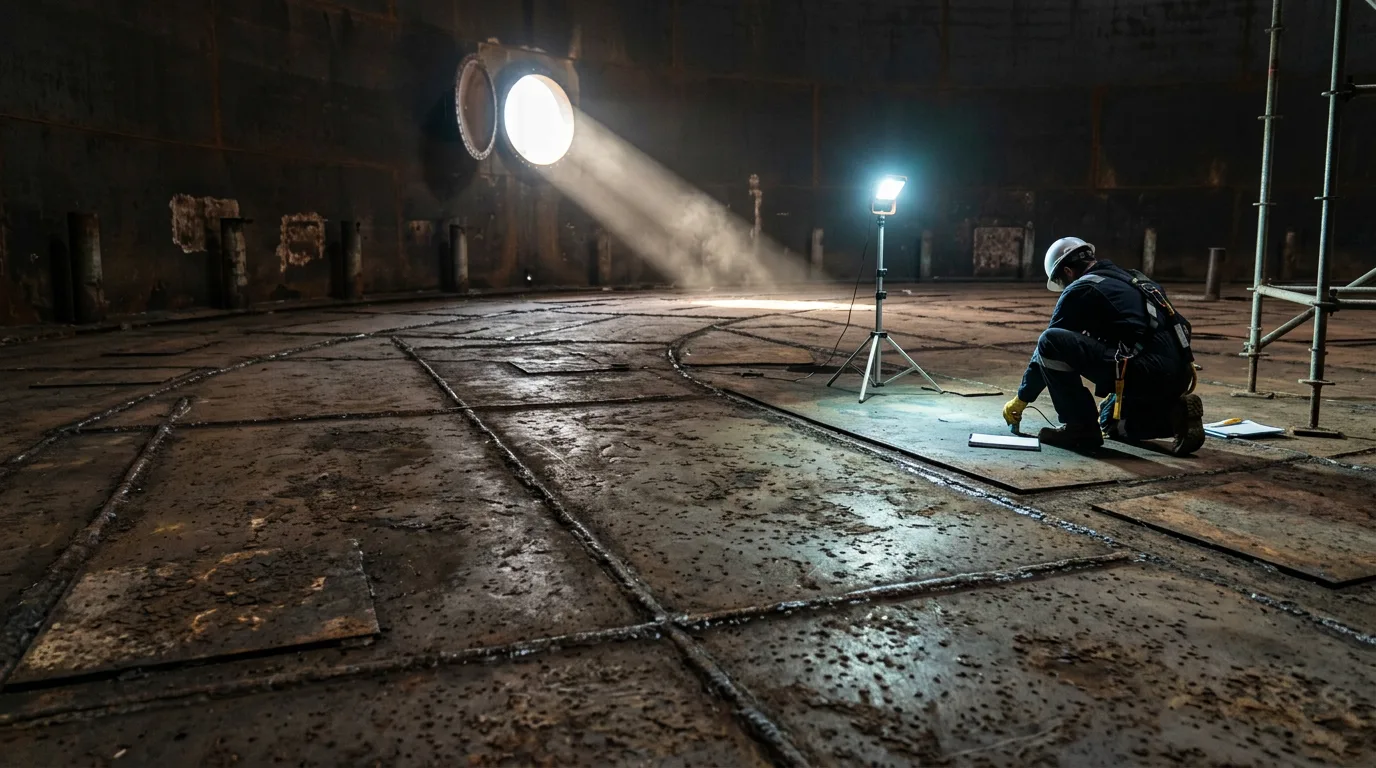
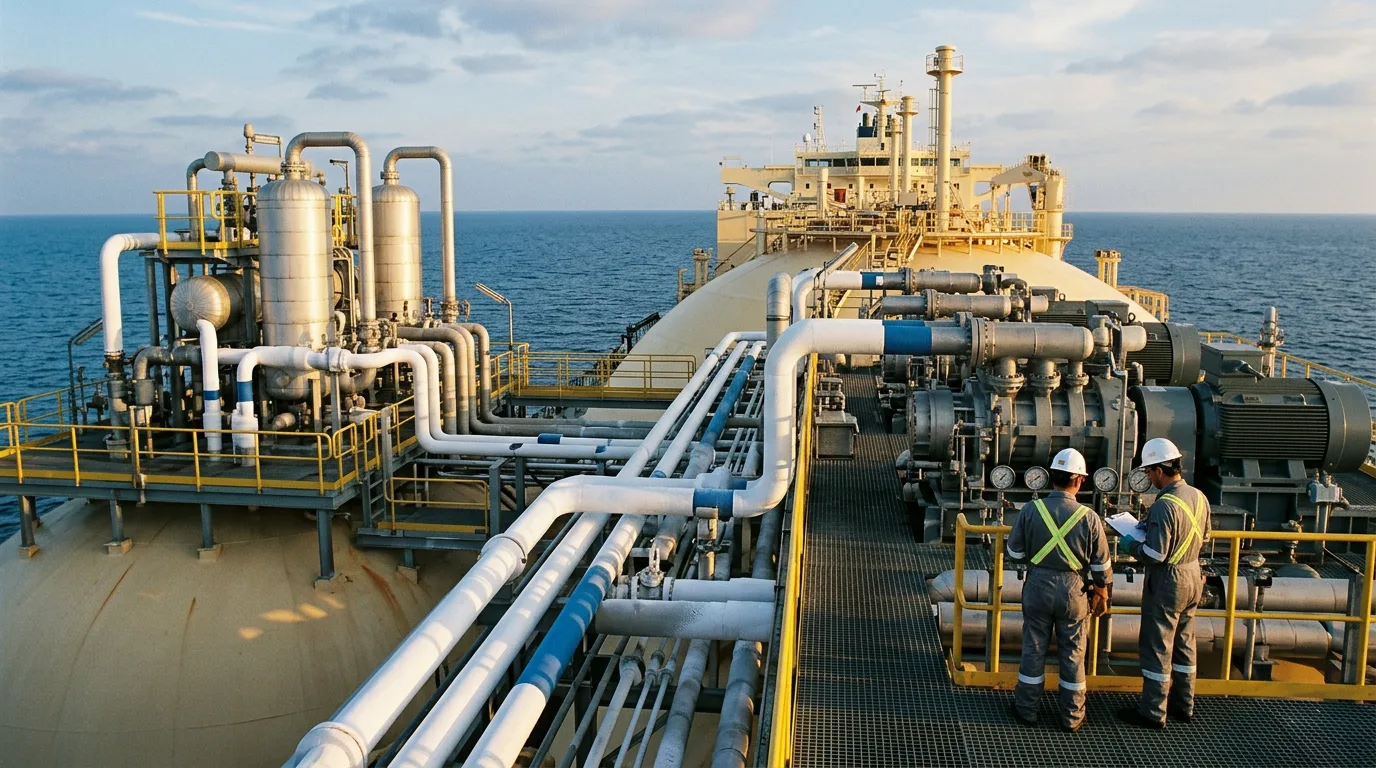
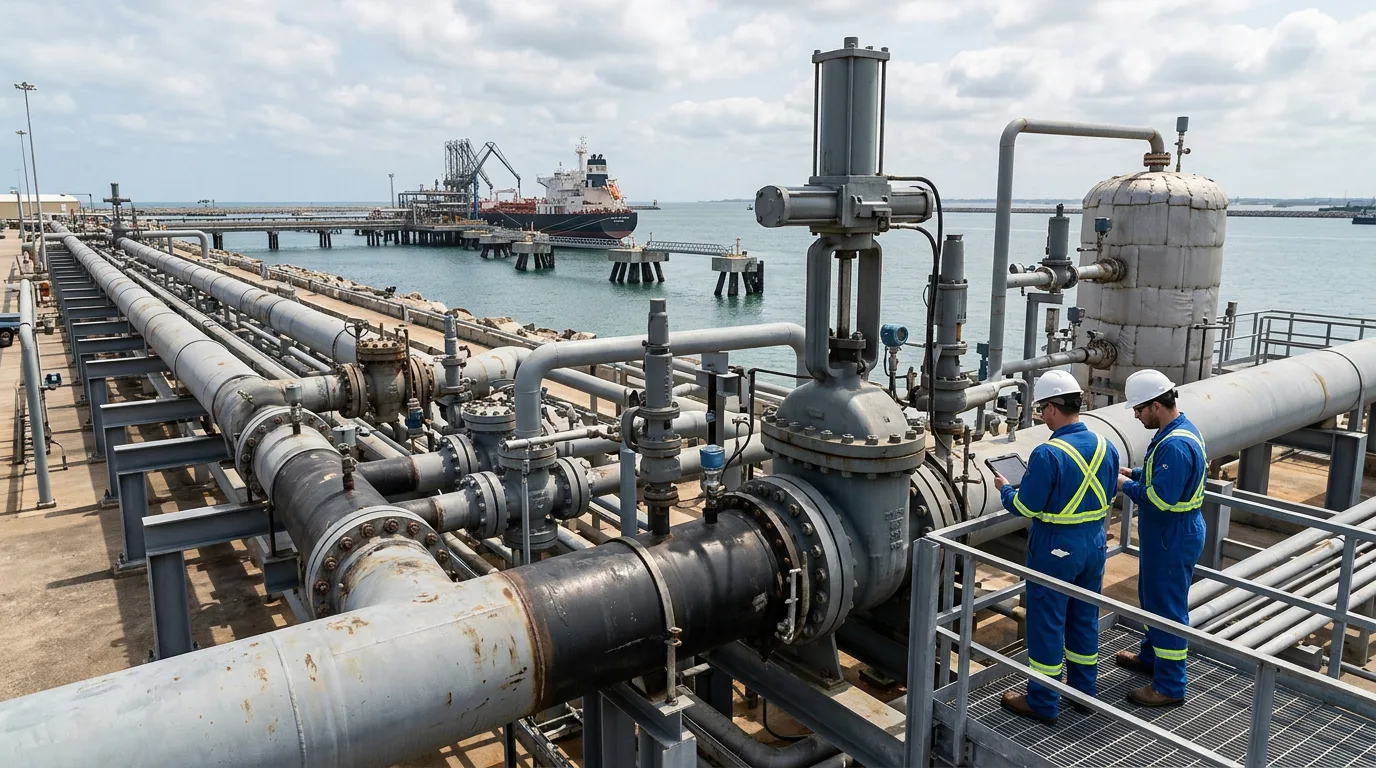
Import terminals of this type receive LNG cargoes, store the cryogenic liquid in tanks, and regasify it so the gas can be delivered into the pipeline network. In markets that depend on seaborne gas, the number and configuration of such facilities determine how much operational flexibility the system holds when cargoes are delayed, seasonal demand rises, or upstream production is disrupted. Additional import capacity is therefore closely tied to the security-of-supply objectives that the minister cited.
For engineers and operators across the LNG value chain, the announcement underscores the role that regasification and import capacity play in the reliability of a national energy system. It also signals continued policy attention to gas infrastructure in Singapore, with the minister linking the potential development directly to energy security. Further details on the proposal, including its scale and schedule, were not available in the announcement.
Source: LNG Prime