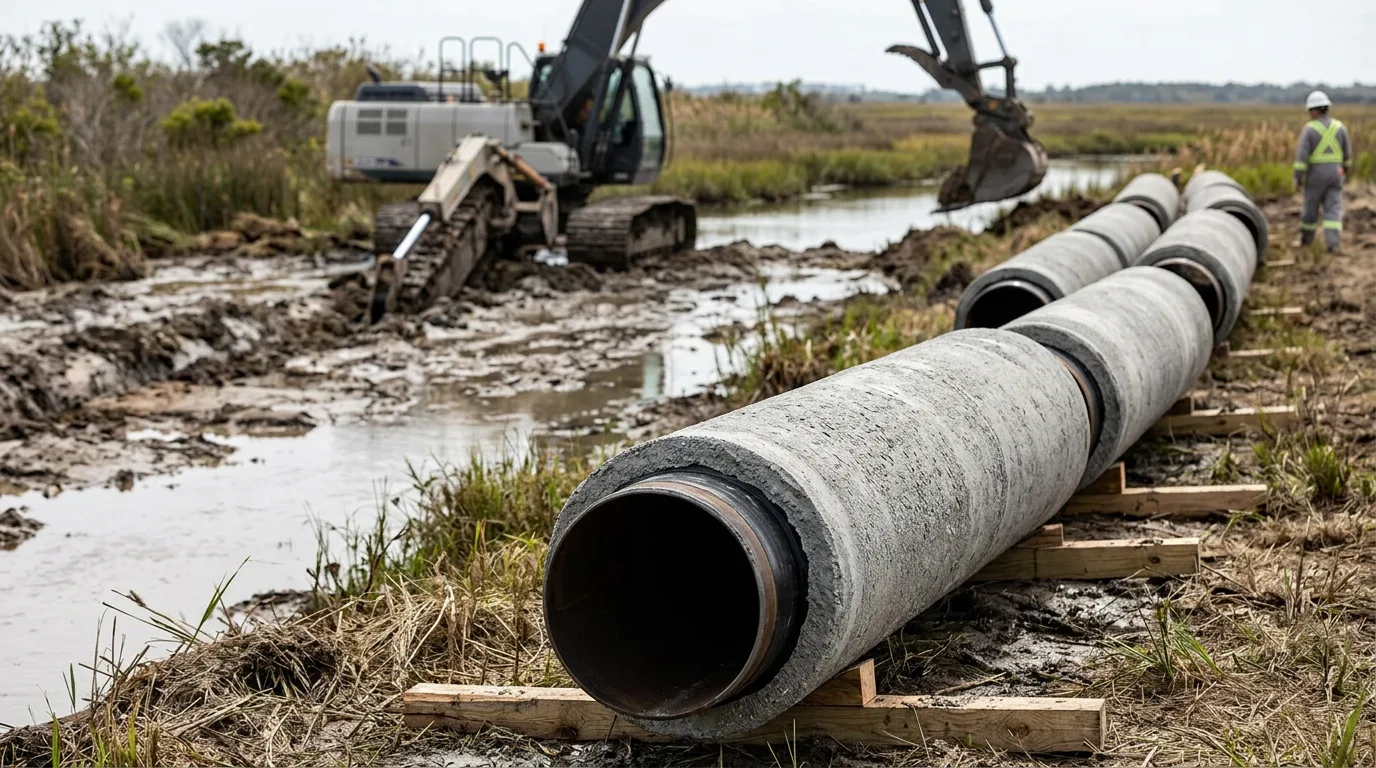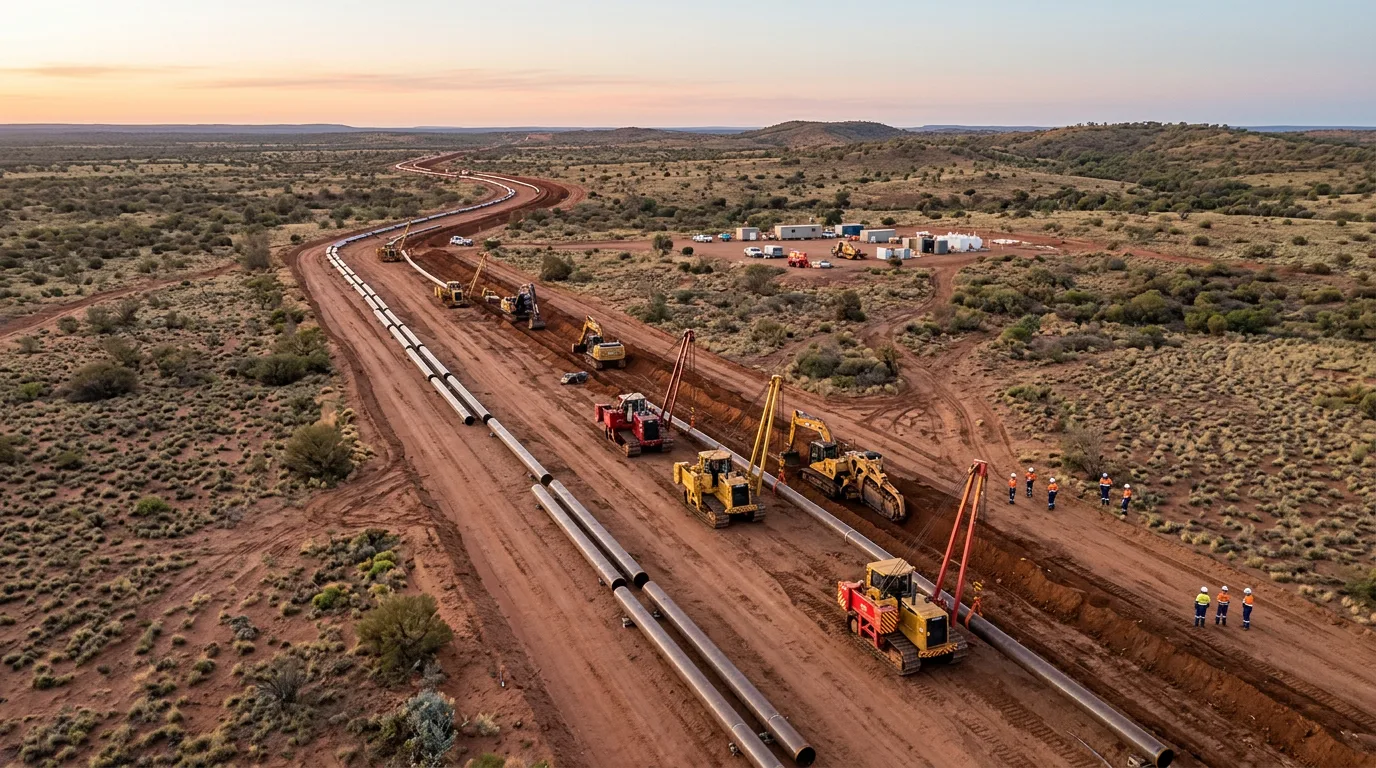
APA Group has given final investment approval to the Bulloo Interlink Pipeline, committing A$700 million (US$491.6 million) to its construction and commissioning. The Australian energy infrastructure company positions the project as a key east coast gas development intended to avert projected supply shortages across southern Australia. With this decision, APA's total commitment to the pipeline reaches approximately A$920 million (US$646 million), a figure that incorporates A$220 million (US$154.4 million) previously allocated to early works, which the board approved in February.
The pipeline is designated Stage 3B of APA's broader East Coast Gas Grid expansion plan and is intended to serve as a transport corridor easing supply pressures in Australia's southern states. APA expects construction to begin in early 2027, with commercial operations targeted for the southern winter of 2029, subject to the necessary regulatory approvals.
The investment case rests on widely reported concerns about gas availability in the country's south. Energy analysts and industry regulators have repeatedly warned of potential natural gas deficits in Australia's southern states as older basins deplete, a trend that makes additional transmission capacity a priority for regional energy security. The new pipeline is designed to address that gap by connecting supply sources to demand centres in the south.
APA chief executive and managing director Adam Watson framed the project in terms of long-term capacity assurance, saying the BIL is designed to ensure pipeline capacity is not a constraint in meeting projected gas demand for Australia's southern states later this decade and into the early 2030s.
Alongside the investment approval, APA secured a major commercial anchor for the infrastructure, although the available details do not specify the counterparty or the terms. For operators and shippers on the east coast grid, the project signals that a significant new transmission route should be available by the end of the decade, potentially reducing the risk of capacity bottlenecks during the winter of 2029 and beyond.
Source: Pipeline Journal