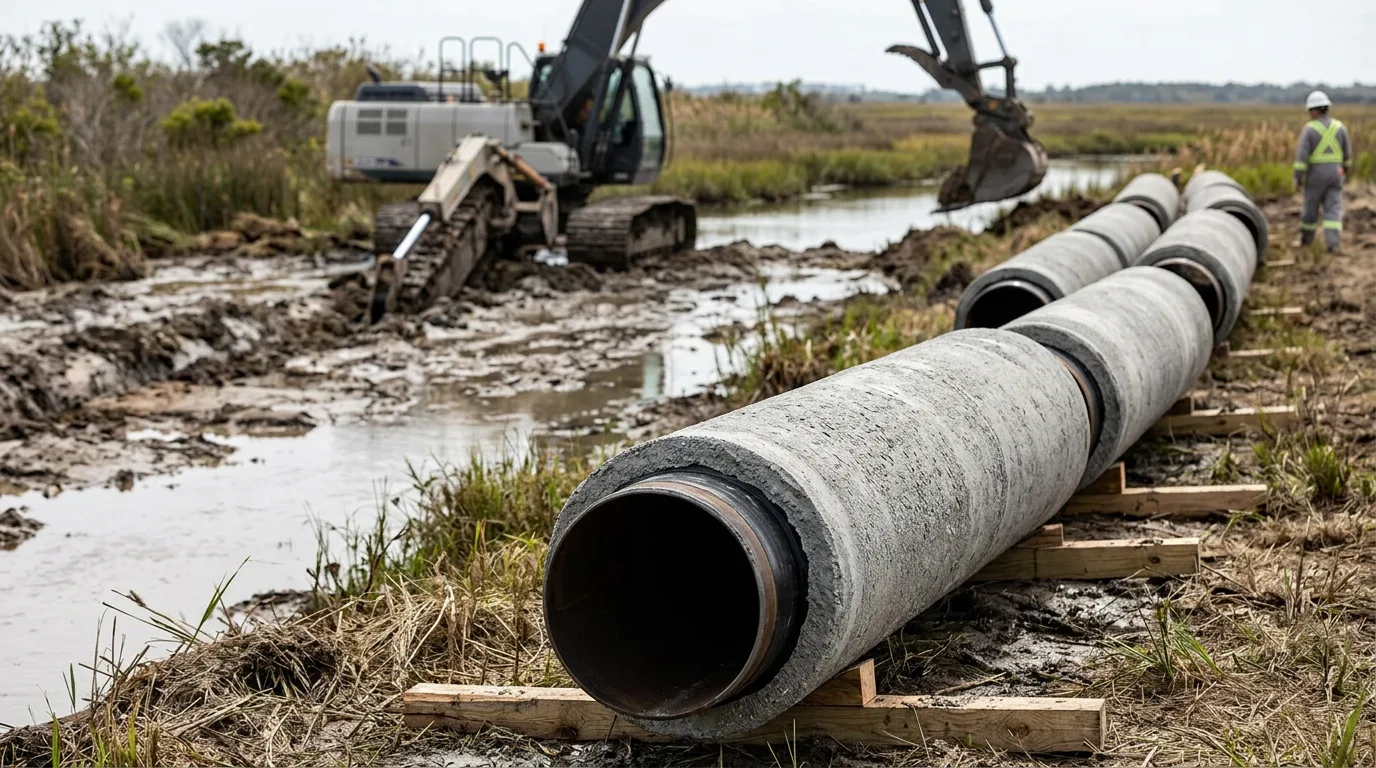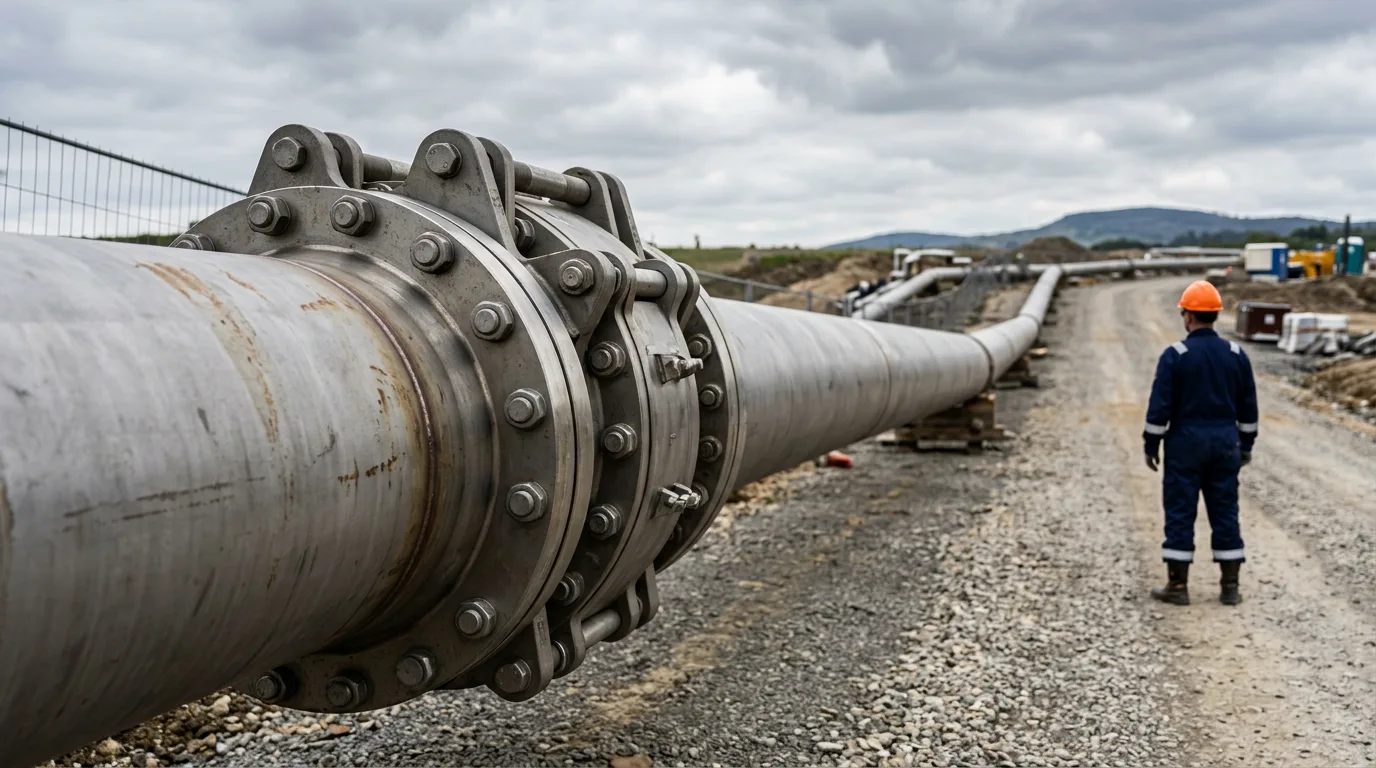
Romania's natural gas transmission operator Transgaz has signed a strategic memorandum of understanding with Japan's Kawasaki Heavy Industries to develop technologies for large-scale hydrogen transport by pipeline to Central and Eastern Europe. The agreement, announced on Monday, combines Transgaz's regional pipeline network with Kawasaki's centrifugal hydrogen compressor technology. The stated aim is to establish Romania as a major European energy hub.
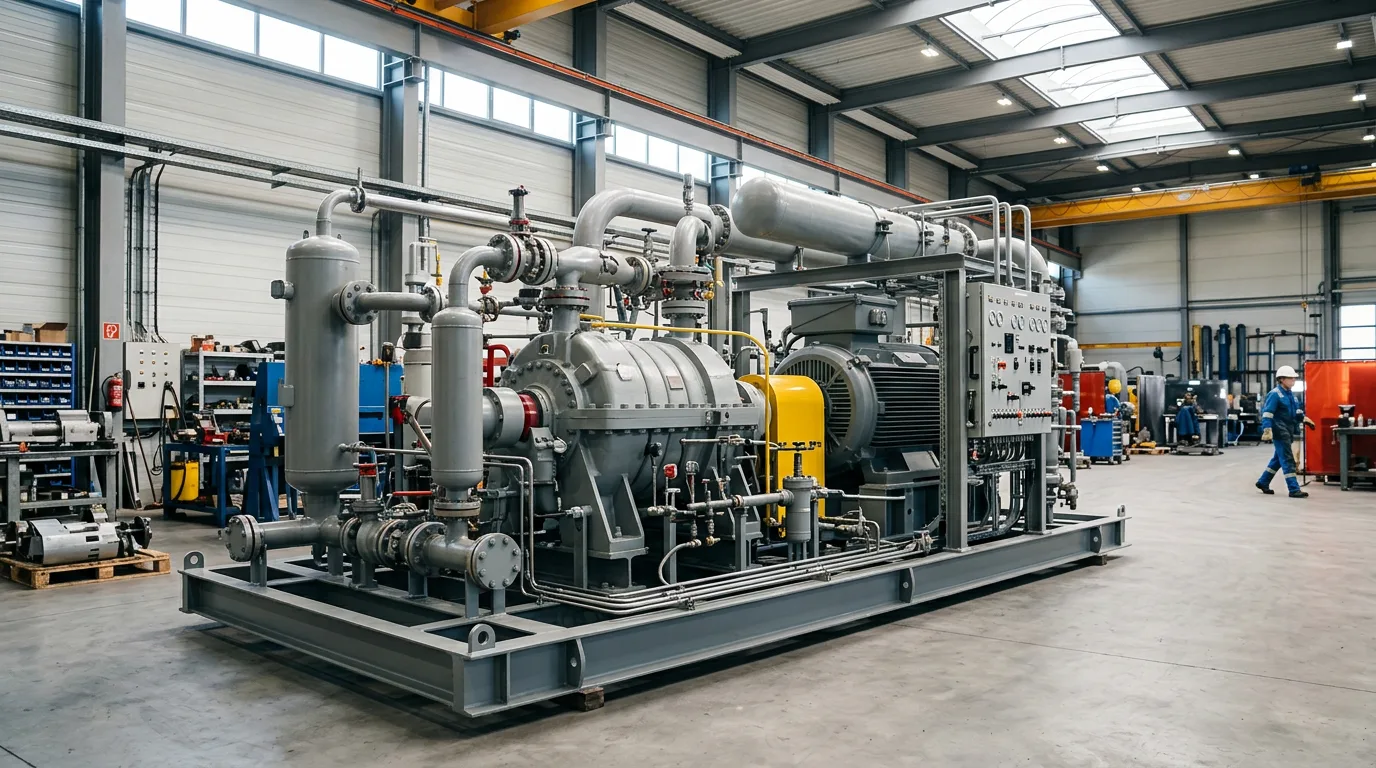
As a first step under the agreement, Kawasaki will launch demonstration tests in Romania covering the onshore transport of pure hydrogen gas. The trial will use the company's specialized centrifugal compressor, known as the KM Comp-H2, to move pure hydrogen through onshore infrastructure. According to Kawasaki, the demonstration is designed to be the world's first initiative aimed at showing large-scale transport of pure hydrogen through pipeline systems.
Supply and transport costs remain a major obstacle to wider adoption of hydrogen fuel. Onshore pipelines are seen by industry experts as among the most viable options for long-distance hydrogen transport, but such infrastructure depends on compression equipment that can handle large volumes of pure hydrogen at high pressure while fitting within a compact footprint. The memorandum pairs Transgaz's network with Kawasaki's compression technology to meet that requirement.
Kawasaki said it will apply decades of centrifugal compression research during the Romanian trial to validate the efficiency and safety of high-pressure pipeline delivery. For transmission system operators, the demonstration offers an early test of whether such equipment can move pure hydrogen in bulk safely while addressing the cost barrier that has limited the fuel's adoption. The agreement also points to a possible role for established pipeline operators in Central and Eastern Europe as hydrogen transport infrastructure takes shape.
Source: Pipeline Journal