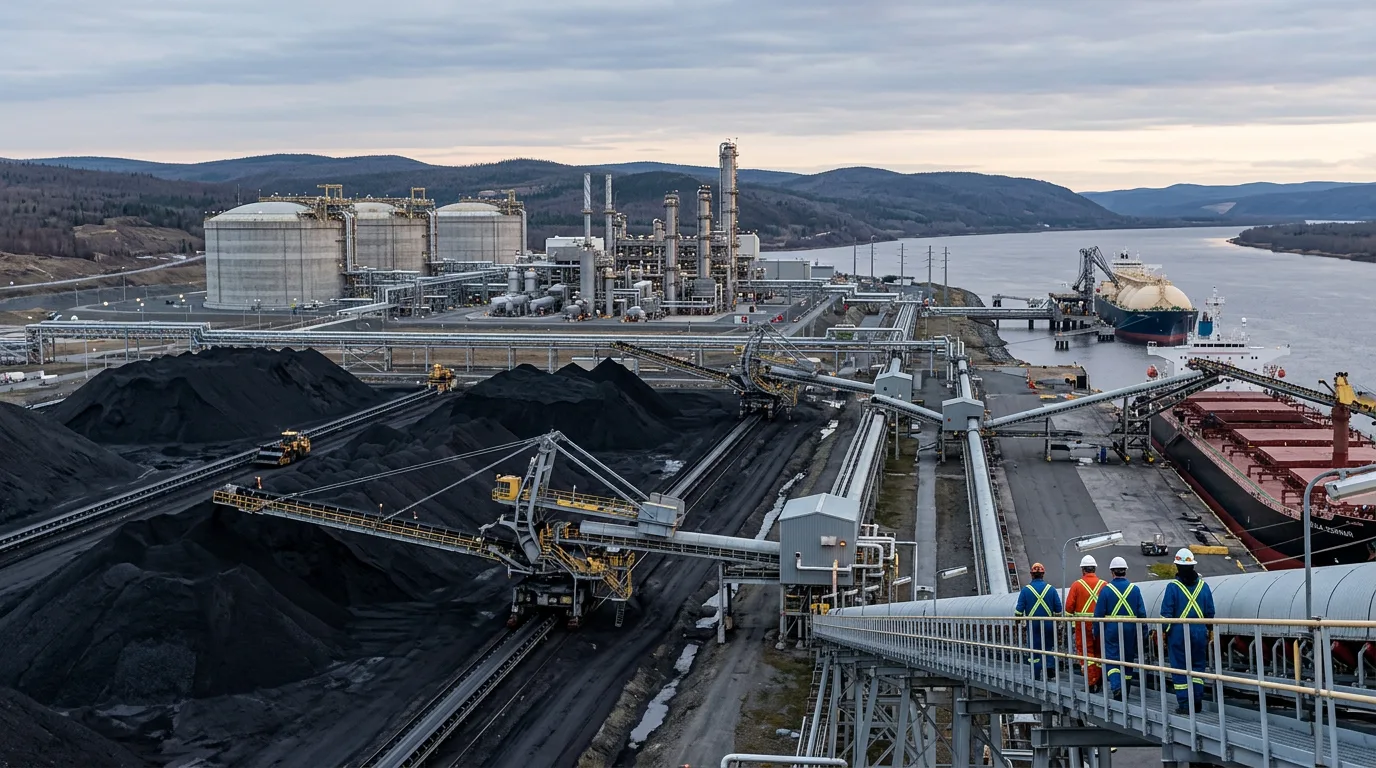
Global coal demand is rising as the shortage of liquefied natural gas deepens. LNG flows from the Persian Gulf remain more than 75% below the levels recorded before February 28th, and the shortfall is colliding with heating demand that is building ahead of winter.
Prices show the strain. In Europe, the November natural gas benchmark contract is trading above 81 euros per MWh. In Asia, spot-market LNG prices have climbed above European levels, and that premium is pulling cargoes eastward. Against the backdrop of sharply reduced Gulf exports, buyers in both regions are facing elevated prices.
Coal's cost advantage is central to the shift in demand. The fuel is currently 80% cheaper than LNG, a gap that gives buyers a clear economic incentive to choose it over gas where the choice exists. That arithmetic helps explain why coal demand is rising even as the fuel faces continued regulatory pressure.
The regulatory case against coal has not gone away. The fuel produces the highest carbon dioxide emissions, along with pollutant gases and particulate matter, and that profile is the basis for much of the climate-related regulation aimed at it. Price, however, is currently working in coal's favor, and the market is responding accordingly.
For plant operators and fuel buyers, the period is a reminder of how strongly fuel choice tracks relative prices. With Persian Gulf LNG flows deeply reduced and Asian buyers outbidding European ones for spot cargoes, coal is the cheaper option on cost grounds even though it carries the heaviest emissions burden and the regulatory attention that comes with it. The episode illustrates how quickly the coal-versus-gas calculation can shift when a supply disruption and rising seasonal demand coincide.
Source: Oilprice