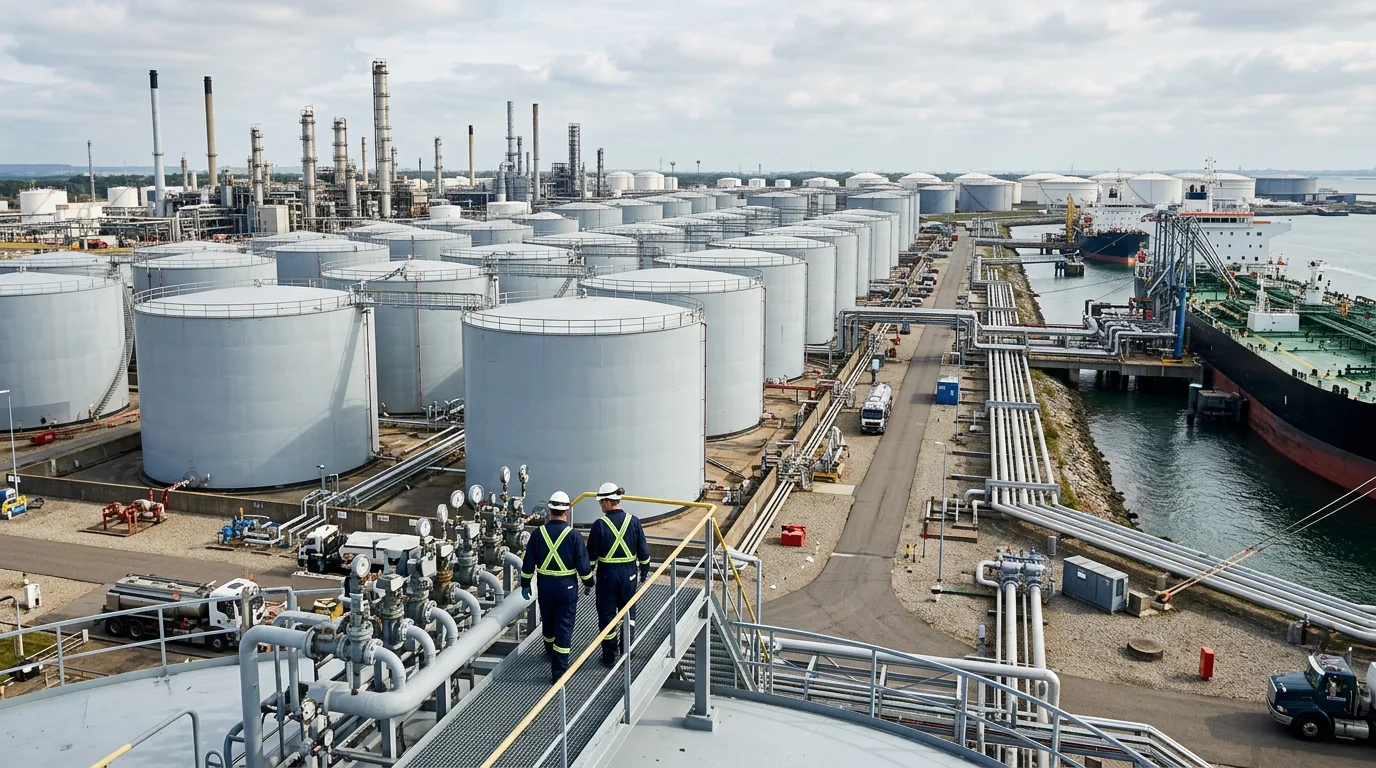
The International Energy Agency said earlier this week, after consulting with the G7, that it would release another 100 million barrels of diesel, gasoline, and crude oil. The additional barrels form part of a plan announced in March to release 400 million barrels of oil in response to the Hormuz squeeze. The decision extends a coordinated emergency response that is now running up against a practical constraint: storage is emptying.
The inclusion of diesel and gasoline alongside crude means the release reaches beyond refinery feedstocks into finished fuel supply. The consultation with G7 governments preceded the announcement, positioning the move as a coordinated intergovernmental action rather than a unilateral drawdown. The March plan set the overall volume, and the newly announced tranche counts toward it.
Concern about storage sharpened when the U.S. administration began releasing oil from the Strategic Petroleum Reserve. Reports that followed cited experts who warned that the level of oil in the SPR was already low when the drawdown began. Those warnings point to the same problem now facing the broader release program: the stocks available for emergency sales are being emptied, leaving thinner inventories behind the market.
For refiners, traders, and plant operators, the significance lies in what these reserves are meant to do. Strategic stockpiles exist to absorb supply shocks, and every barrel released reduces the cushion available for the next disruption. With experts already flagging low SPR levels and storage emptying across the release program, the report's central warning is that continued emergency releases risk draining the world's last supply cushion. How much usable inventory remains will shape the options governments have when the next supply shock arrives.
Source: Oilprice