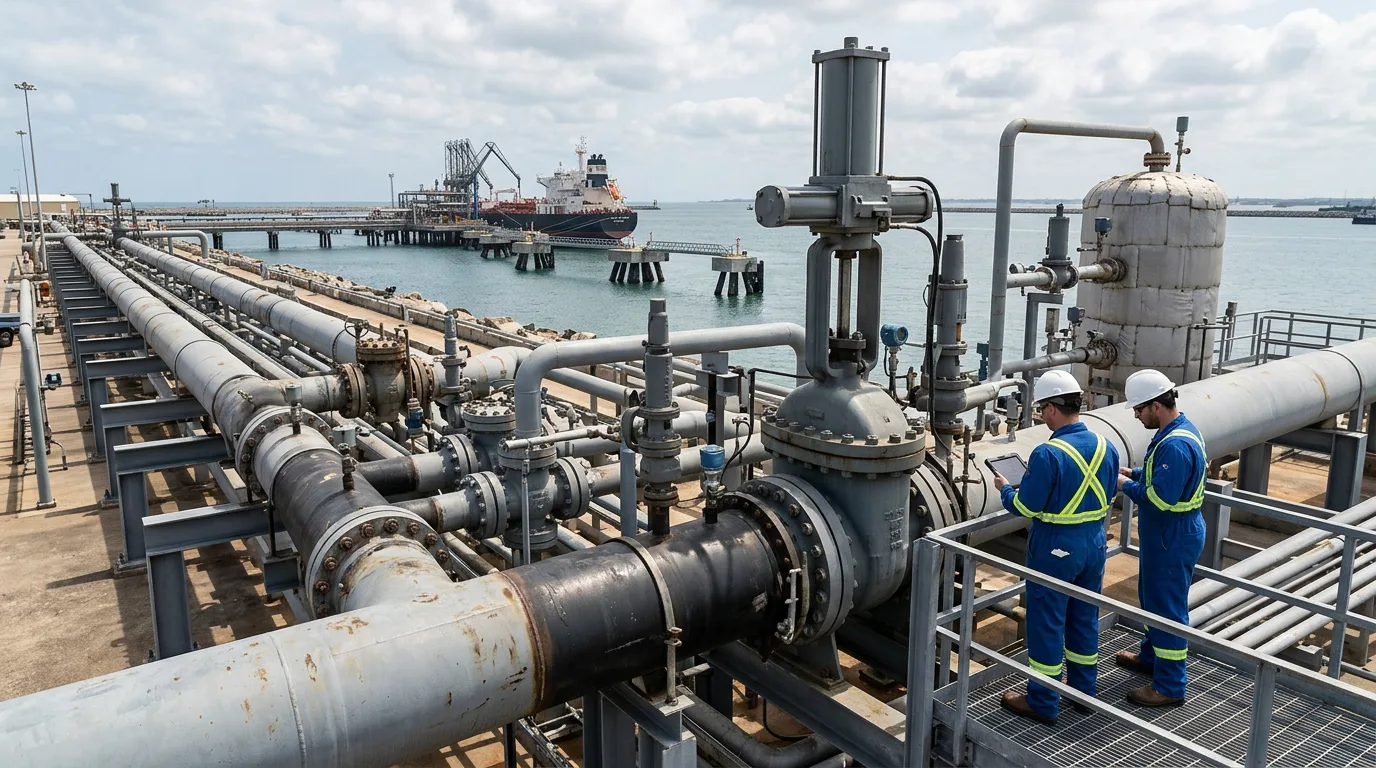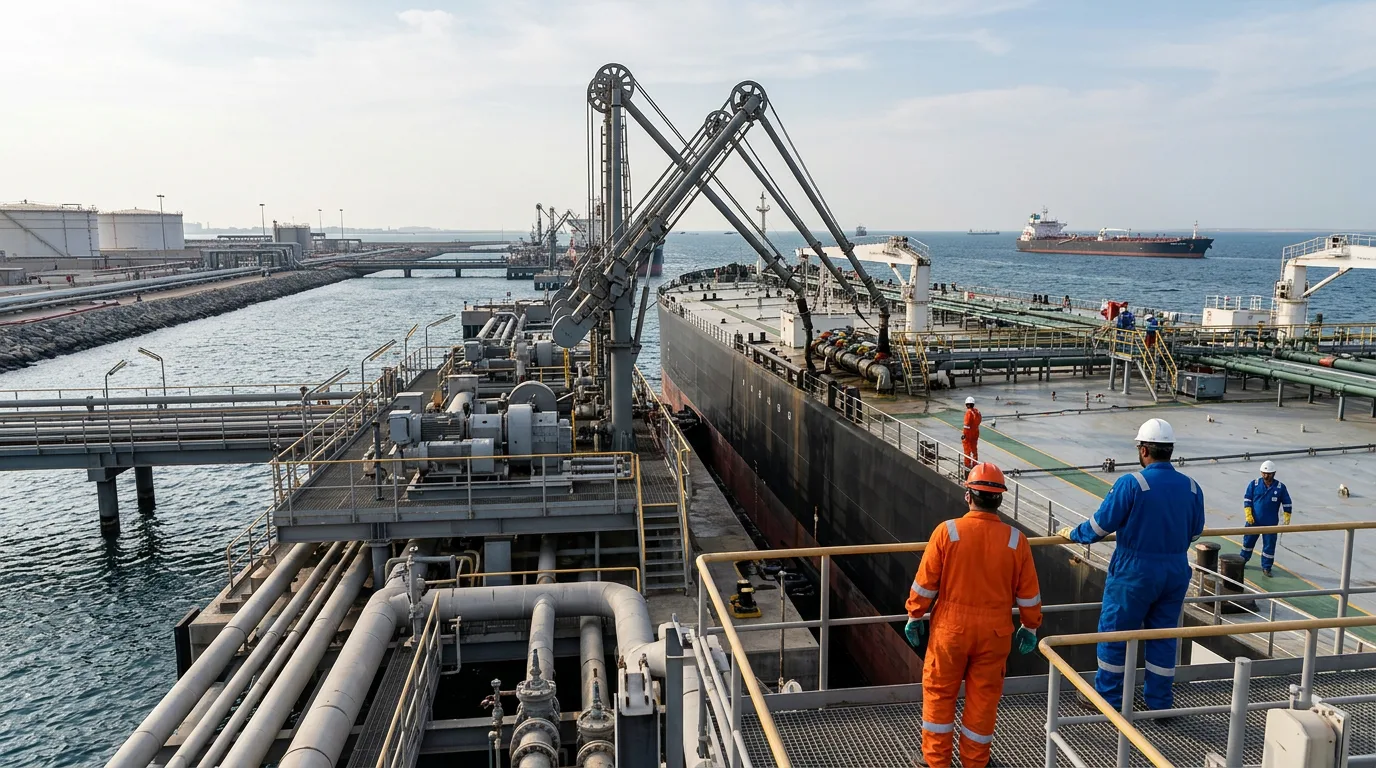
Crude oil exports from the Middle East reached their highest September level since the war with Iran began, according to industry observers who analyzed shipping and commodity market data. The assessment reinforces a broader trend of rising supplies from the region. The increase has come despite Iranian attacks on vessels in the Strait of Hormuz.
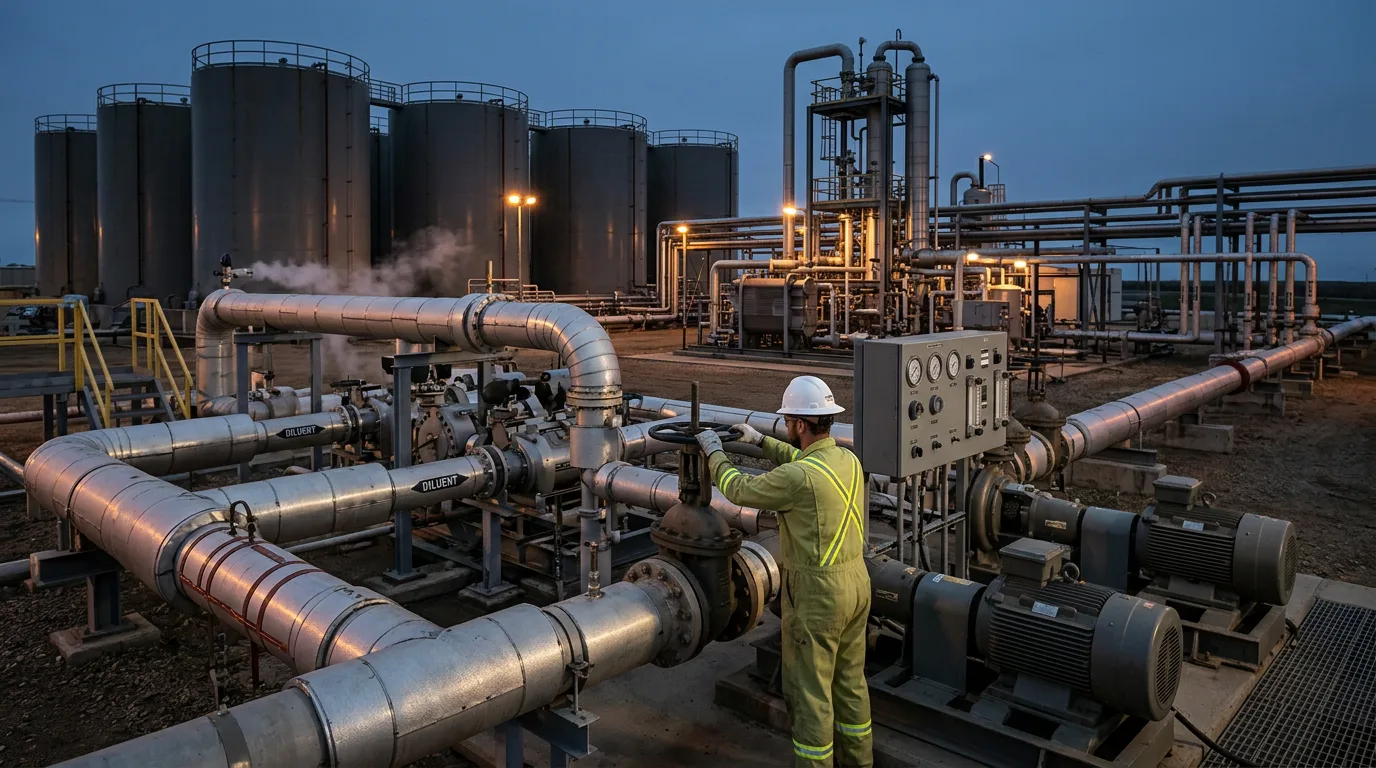
The strength in crude flows stands in contrast to conditions further along the value chain. A bottleneck in refining capacity persists and has driven a global spike in diesel prices. More crude on the market has therefore not brought relief to diesel consumers, because the constraint sits in processing rather than in the availability of crude.
The price pressure is documented in official European statistics. EU figures released on October 1 put diesel pump prices at record levels. The readings show the spike has reached consumers at the pump.
Diesel prices have also surged in the United States, extending the pattern beyond Europe. The US increase forms part of the same worldwide spike in diesel costs. Taken together, the European and American evidence underlines that the pressure is not confined to a single market.
For the industry, the September export figures and the diesel price records point in two directions at once. Producers and shippers have kept crude moving through the Strait of Hormuz despite the attacks, while refining capacity has not kept pace with the barrels available to it. The practical consequence for fuel buyers and plant operators is that diesel costs stay elevated even as crude availability improves, because the bottleneck behind the price spike remains in place.
Source: Oilprice