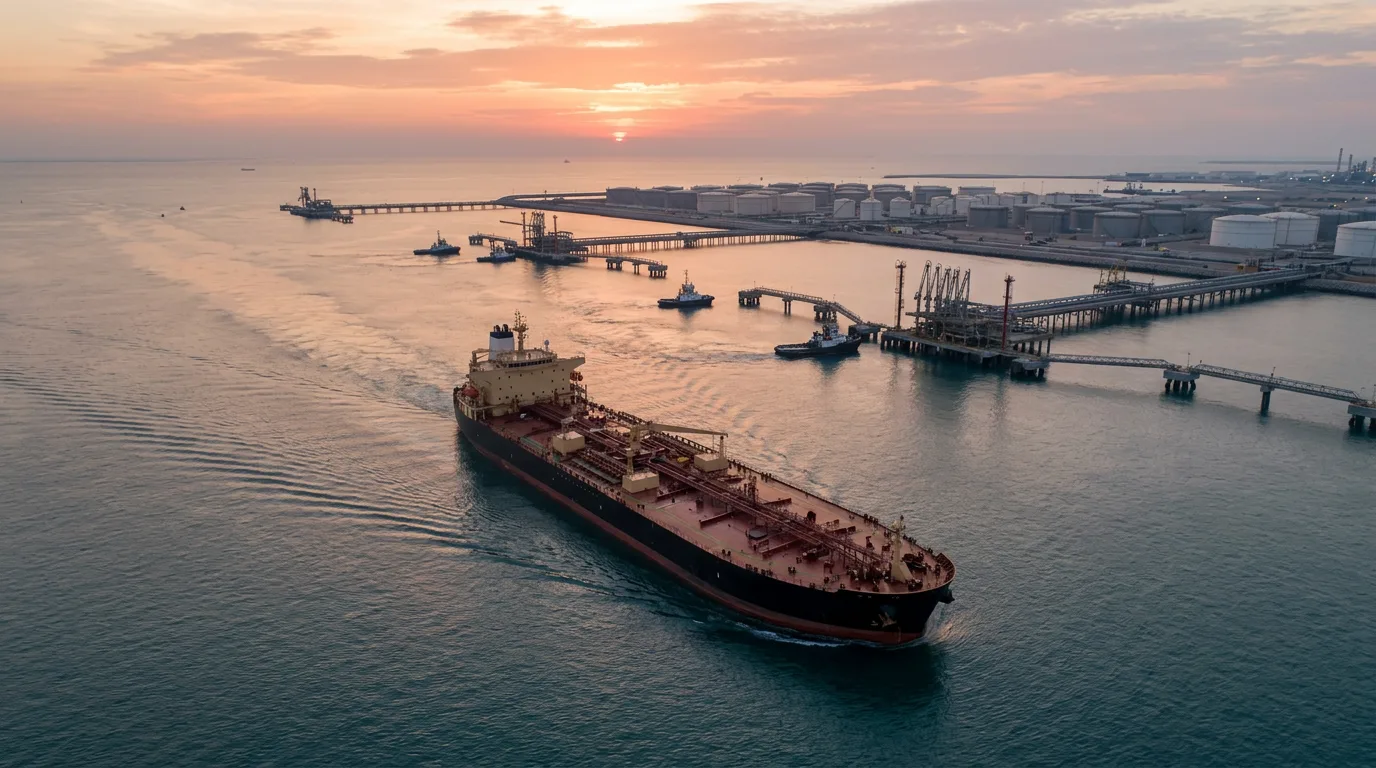
Crude oil flows through the Strait of Hormuz and across the wider Middle Eastern region have recovered to close to pre-war levels, according to vessel-tracking services that have been signaling the rebound for more than a month. The data points to a normalization of Persian Gulf export activity, even as the region's pricing benchmarks tell a more complicated story about the balance between supply and demand.
Middle Eastern benchmarks have been weakening for weeks, a movement that suggests an oil glut may be building. Two forces appear to be converging: exports from the Persian Gulf are rebounding, while global demand has been eroded by the effect of high prices on consumption. Taken at face value, these signals indicate that an oversupply of crude oil could be forming in the market.
Yet the picture on the supply side does not translate into relief at the pump or in refinery economics. The costs borne by refiners and consumers are not falling, despite the apparent loosening of physical crude balances. This divergence between weakening benchmarks and stubborn downstream costs is the central tension highlighted by the flow data.
The gap is explained in part by the lingering effects of the war on the cost of moving oil. Insurance premiums for shipping in the region remain elevated, and tanker rates have reached record levels, both of which raise the delivered cost of crude well above what benchmark prices alone would imply. Freight and insurance therefore act as a wedge between the price of oil in the water and the price paid by those who actually process and consume it.
For refiners and end users, the practical takeaway is that normalized flow volumes through the Strait of Hormuz do not guarantee normalized costs. As long as war-related risk premiums and record tanker rates persist, the savings suggested by weakening Middle Eastern benchmarks may not reach the downstream market, even if a genuine oversupply continues to build.
Source: Oilprice